Running Reflections

 — 
September 21, 2026

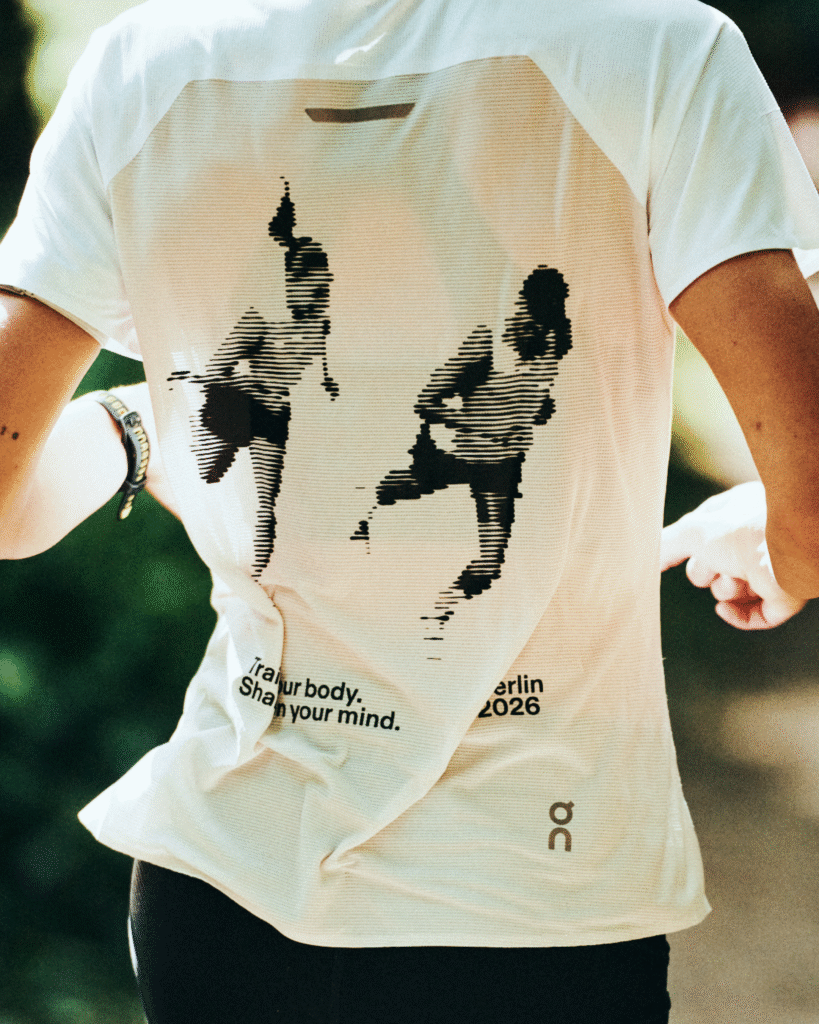
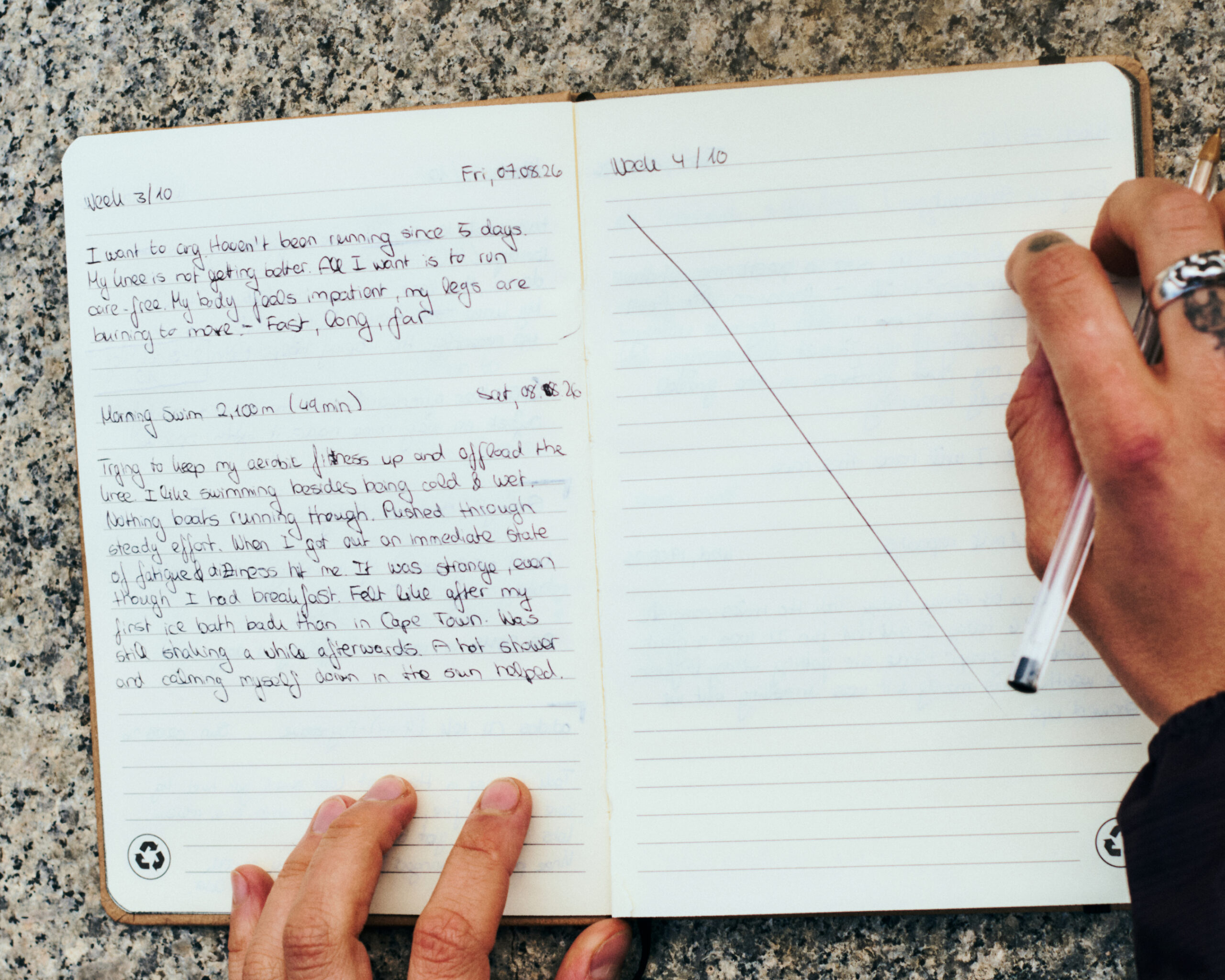
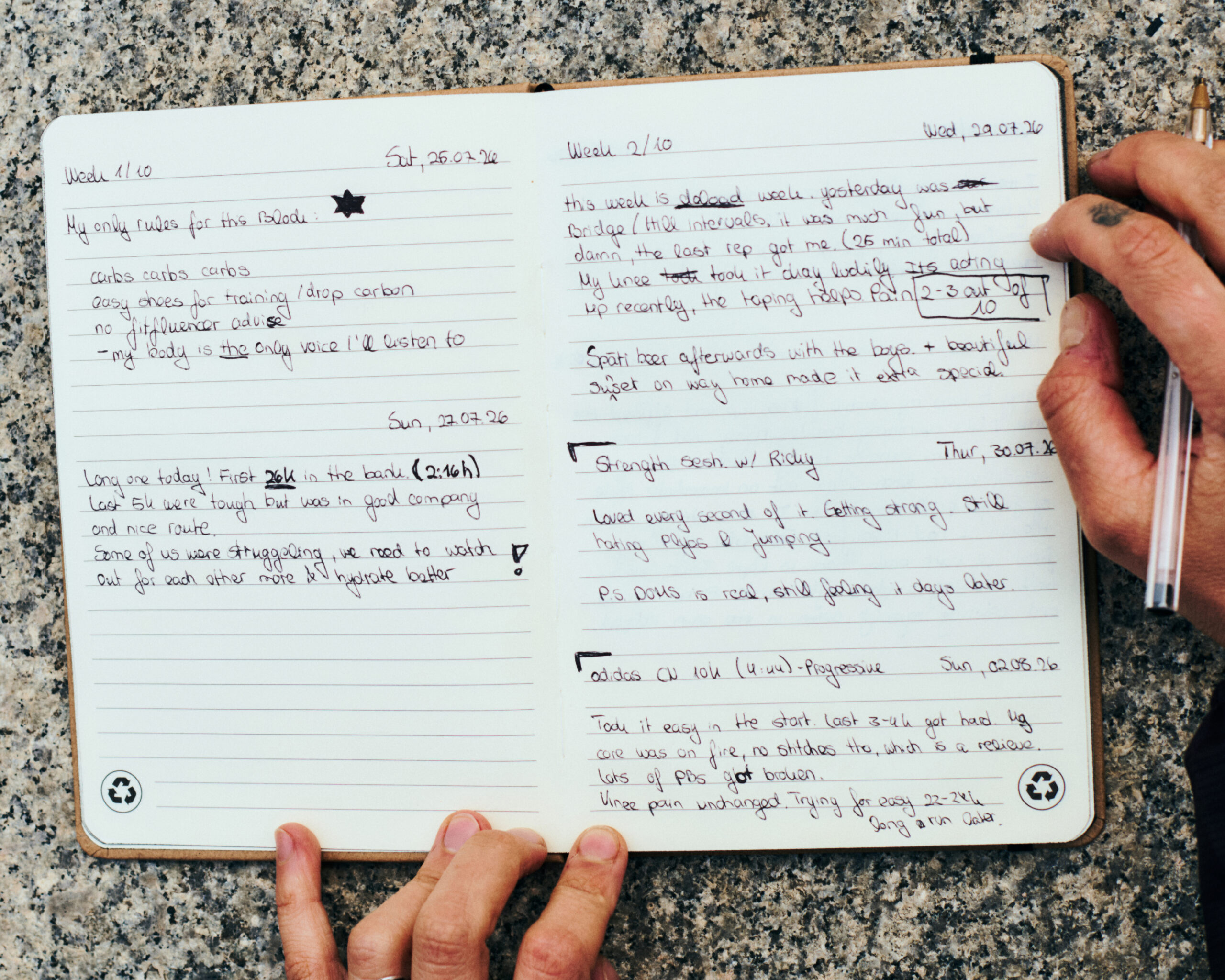
Running Reflections documents Julia’s journey to the Berlin Marathon. Coming back from injury, she reflects on each session of her preparation with the On Running Academy, capturing her thoughts and experiences along the way.

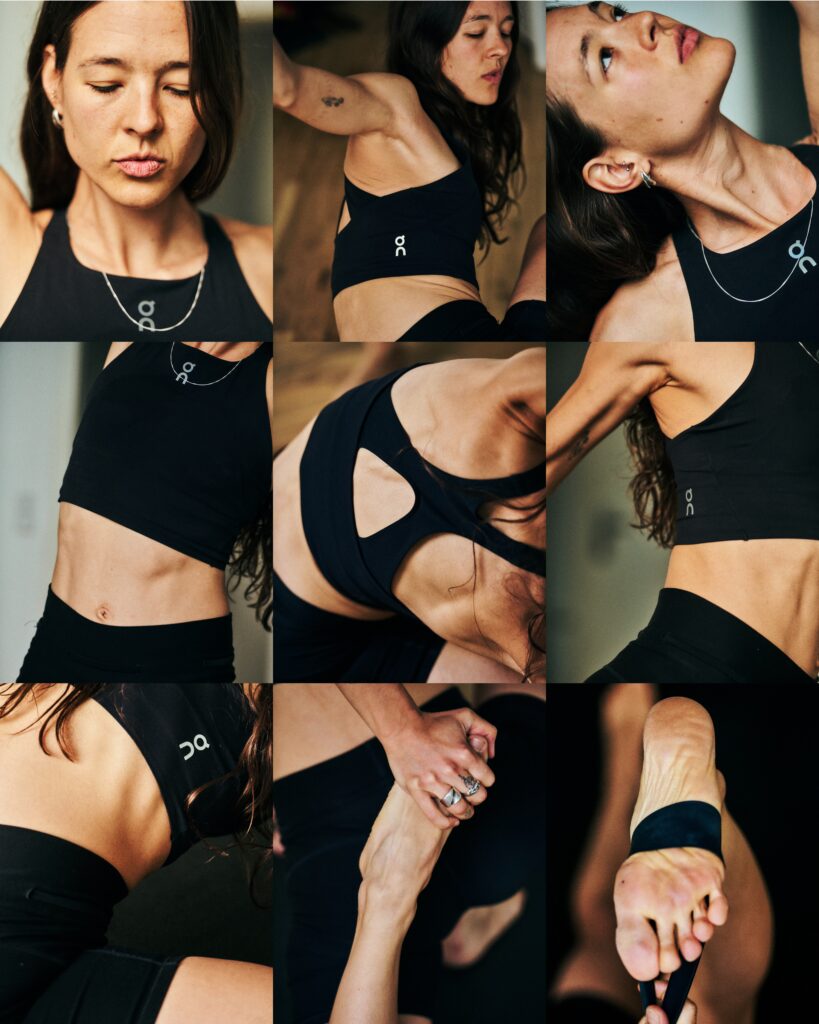
With high-performance running still being shaped by male archetypes, the On Running Academy highlights female runners in their pursuit of extraordinary performance. Beyond running, Julia and the fellow members take part in expert sessions on nutrition, mindset and strength.

Running Reflections looks beyond pace and performance to explore what shapes Julia throughout her marathon build, as she navigates through ambition and expectations, setbacks and self-belief.


Running Reflections
Running Reflections
Running Reflections
Running Reflections
Running Reflections

Photography by Laura Schaeffer

Use Case
Intended use case by the brand, broken down into three categories: Trail, Road, and Race
Cushion
The softness of the shoe’s sole, determined by it’s use of foam. More cushioning increases the level of impact protection while running with minimal cushioning comes closer to a natural running experience (e.g. barefoot). Since there are different types of foams, the equation of “the more foam the softer” does not always work. It is crucial to consider which type of foam it is. Ranging from Hard to Super Soft.
Padding
The amount of padding in the upper. Ranging from No Padding to Very Padded.
Flexibility
The ability to flex when compressed from heel to toe and when twisted. Flexibility and Stability are highly interdependent. As a rule of thumb you can say: the more flexible, the less stable. Ranging from Stiff to Flexible.
Stability
The amount of support provided to the natural rolling movement of the foot. The main factors influencing stability are the sole’s construction and its width. The construction of the upper and the type of lacing can also add to stability. Special Lacing is not considered within this category. Ranging from Free to Supportive.
Traction
The ability of the shoe to maintain stable contact with the ground, mostly determined by the construction of the sole. Added components from external brands such as Vibram or Megagrip can highly influence traction. Ranging from Slick to Very Grippy.
Breathability
The overall mesh density of the upper. Ranging from closed to open
Propulsion
The amount of forward pushing energy return determined by the construction of the sole. Various sole types can add a propulsive effect to the sole such as a Rocker construction or a carbon plate in combination with an energy-returning foam. Ranging from Relaxed to Aggressive.
Drop
The difference in height from heel to forefoot. Ranging from 0mm to 12mm.
Stack Height
The amount of forward pushing energy return determined by the construction of the sole. Various sole types can add a propulsive effect to the sole such as a Rocker construction or a carbon plate in combination with an energy-returning foam. Ranging from Relaxed to Aggressive.
Width
The shoes overall width at its base. This category only refers to the upper to provide information for the overall fit. Ranging from Narrow to Wide.
Width
The overall weight of the shoe. For comparison, we always use the weight of size US 9 for men. Ranging from Ultra Light to Heavy—Ultra Light (<240g), Lightweight (240–280g), Medium (280–320g), Heavy:  (>320g).

multi-faceted platform within the athletic and outdoor culture.

© 2026 by APR MAG
Fischer & Santiago GbR
Auguststraße 47a
10119 Berlin
Germany