
The glacier is still in the shade when we pack our backpacks. Ahead of us, the ice rises between the granite walls of the Mont Blanc massif.
This summer, we keep going higher into the mountains. Alpine climbing means finding out how far we can go, and when it is time to turn around.
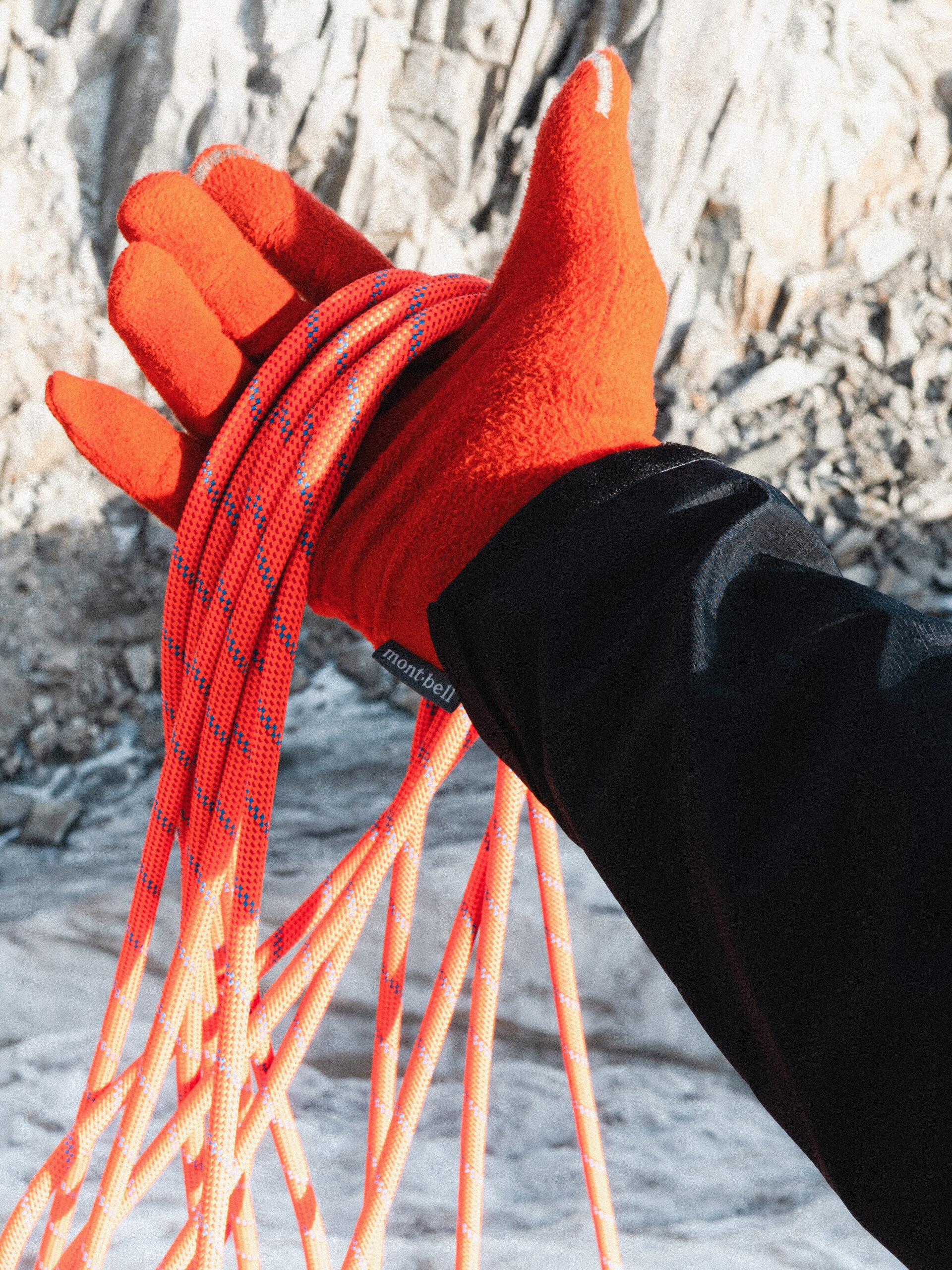
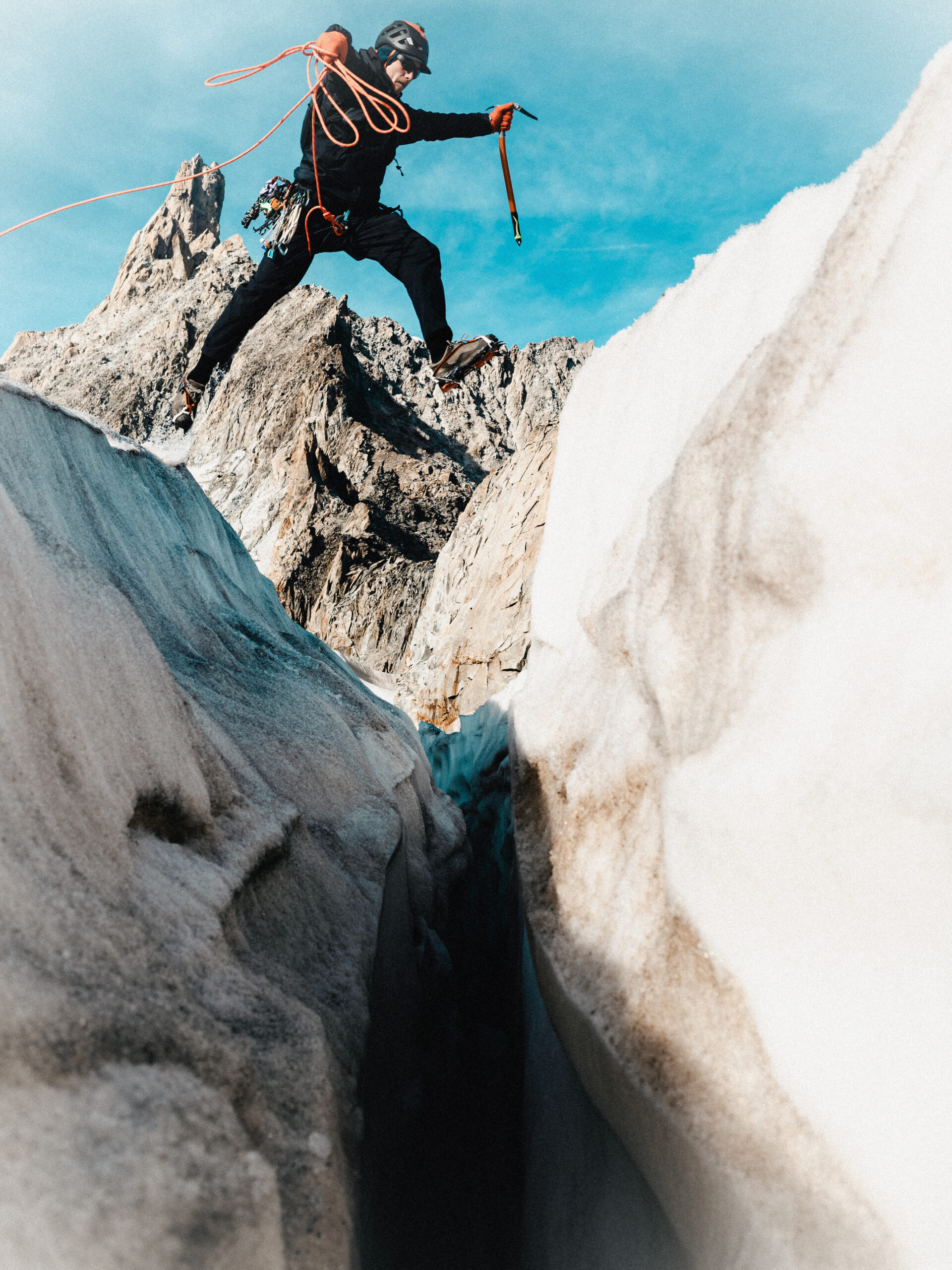
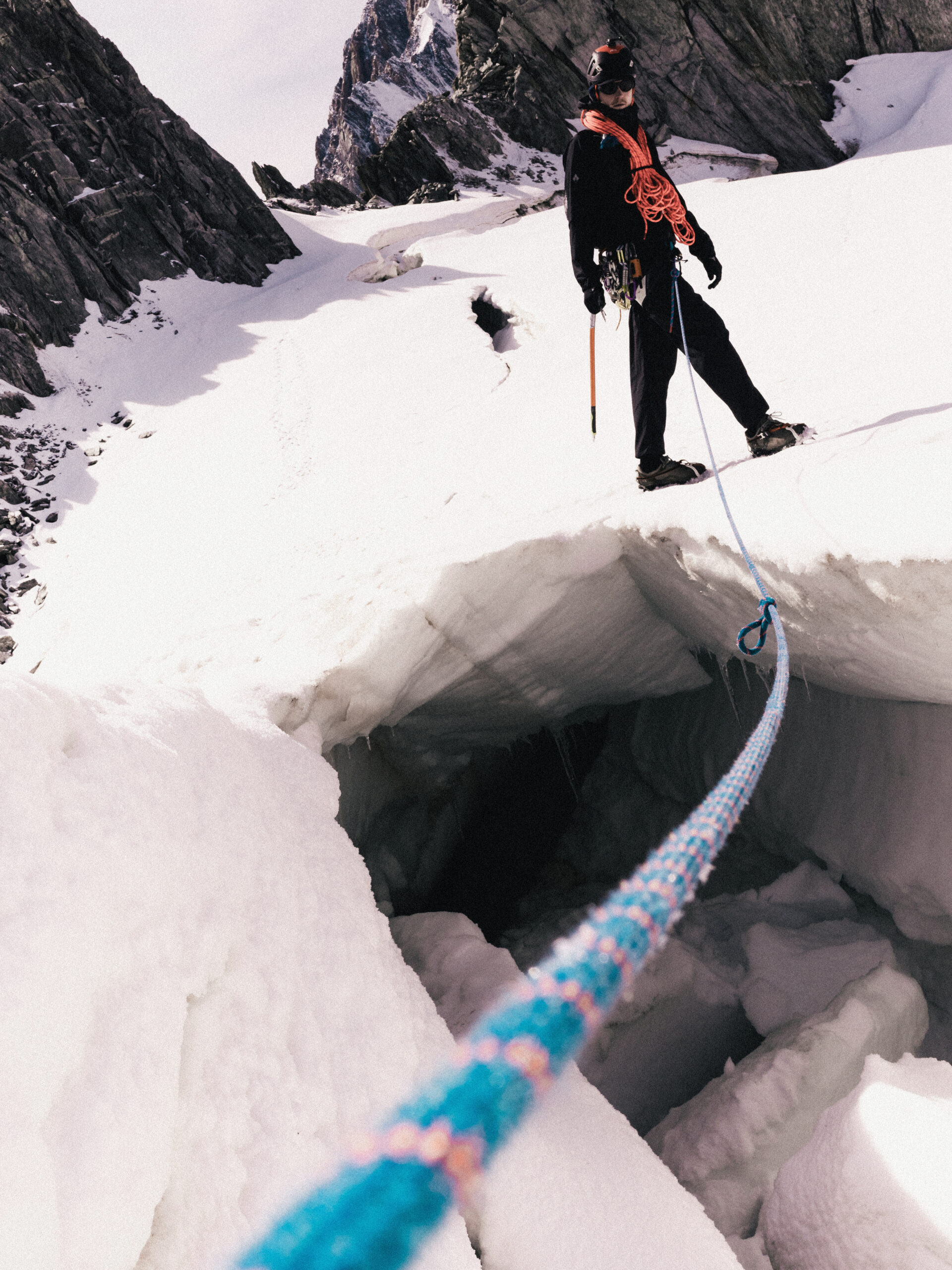
Our route begins on the glacier. Between the Aiguille du Midi and the Italian valleys, blue ice is broken by crevasses, with smooth granite walls rising between them. For the next few days, we carry everything with us: food, climbing gear, a tent and sleeping bags. We melt snow for water.
In the afternoon, the Traverse d’Entrèves takes us across the glacier. We move slowly between the rocks and feel the altitude with every step. Wind moves across the ridge. Below us, the glacier breaks apart into crevasses and towers.
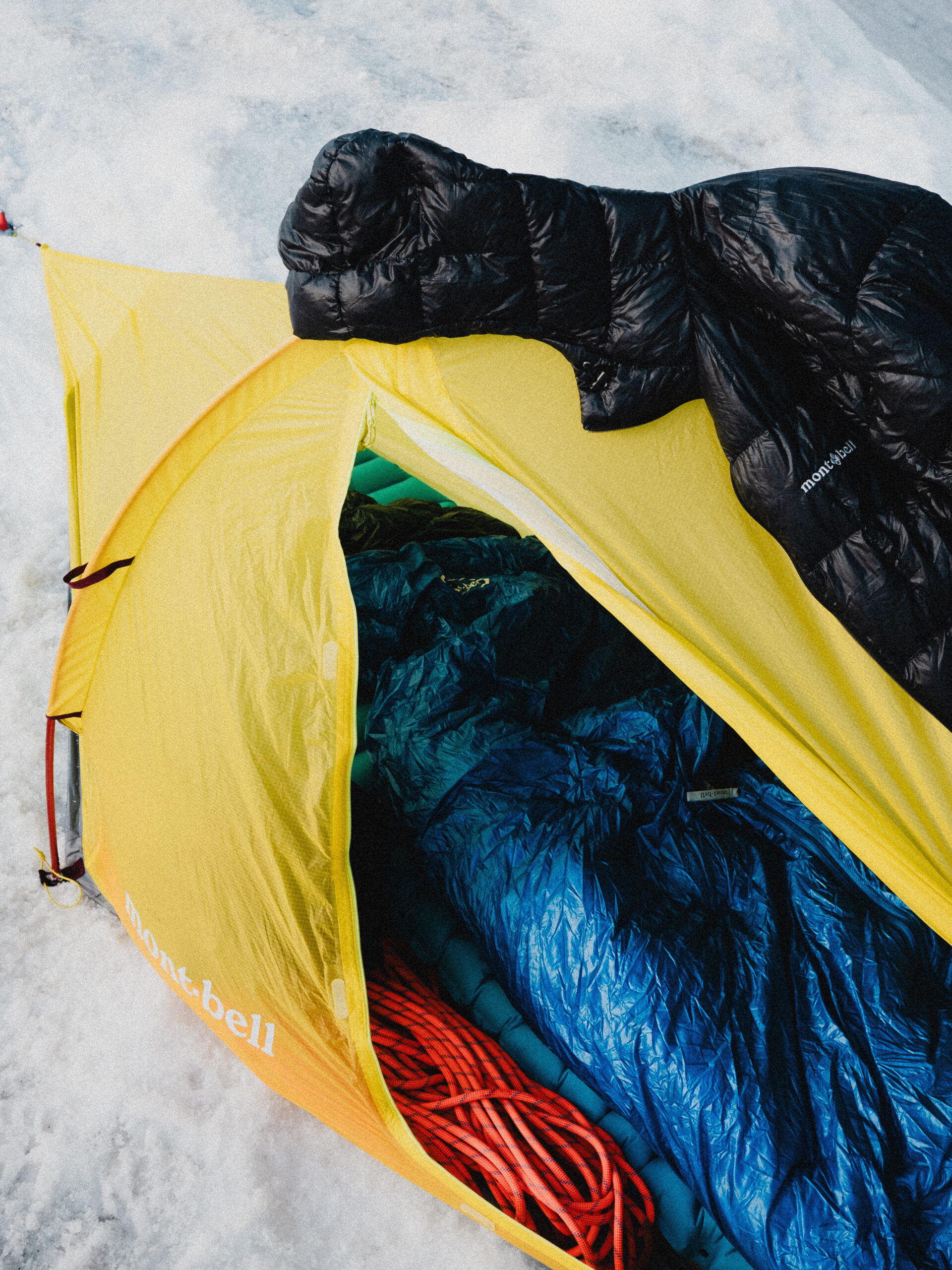
For the night, we find a place on the ice. With our ice axes, we shovel out a flat surface and stamp the snow down until there is enough room for the tent. The tent is already frozen stiff when we put it up. We melt snow, boil water and try to get a few hours of sleep.
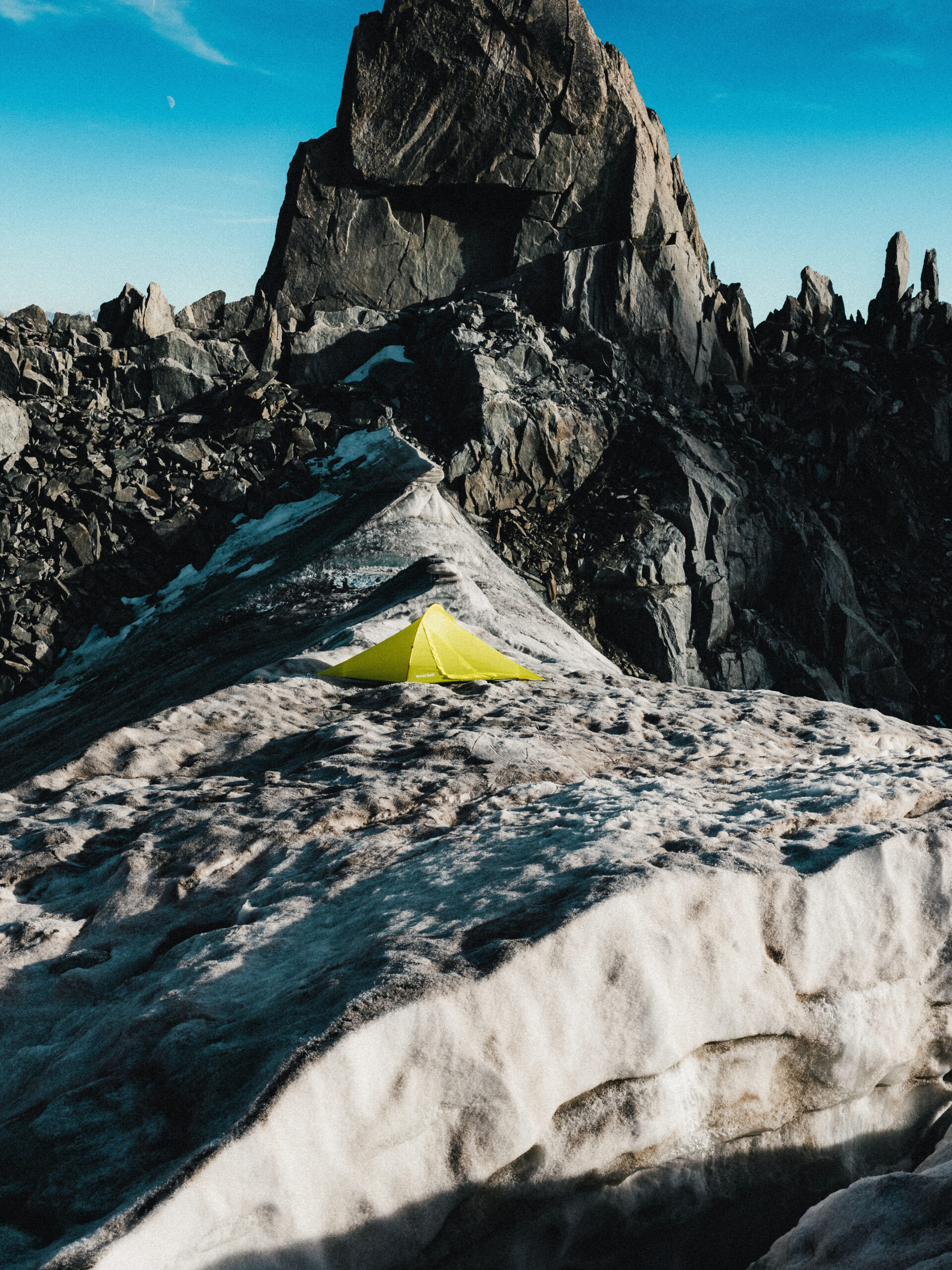
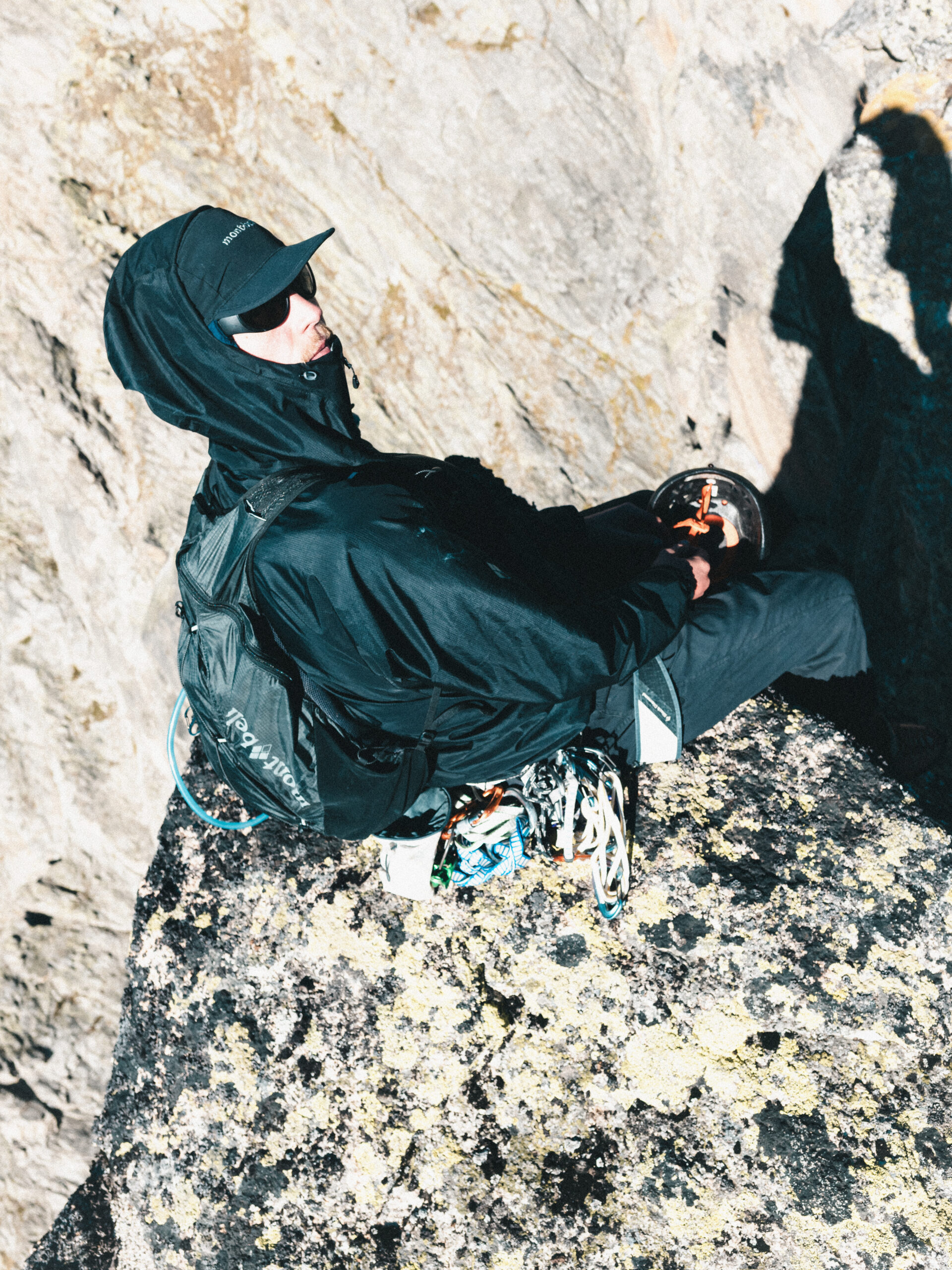
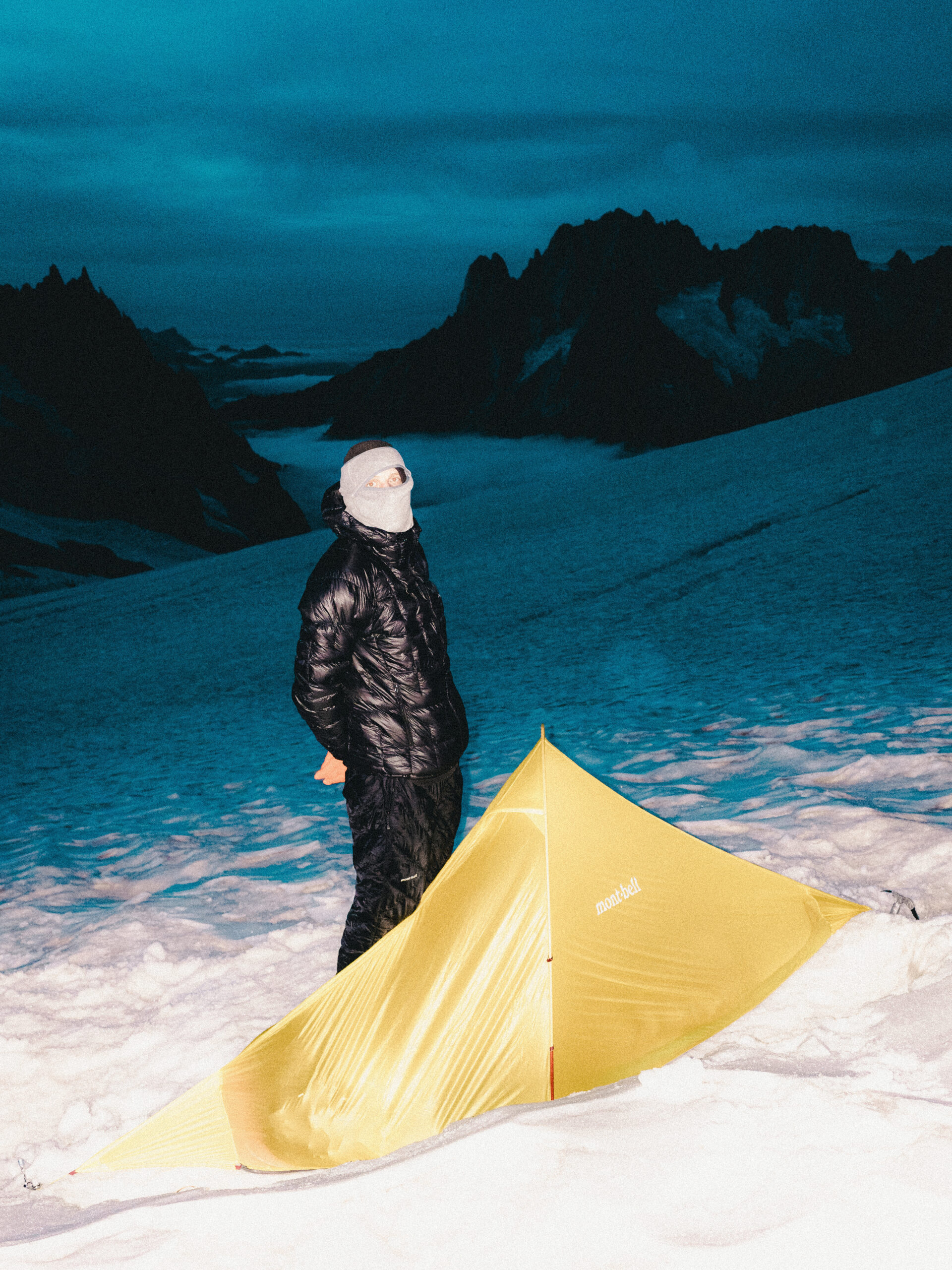
The next morning, we stand below the Rebuffat-Baquet on the Aiguille du Midi. Above us, the first teams are already climbing. We lie on a small boat of rock in the great sea of the glacier and wait for the route to clear. Our start is late, maybe too late. By the time we enter the route, the sun is already low. In the evening light, we are still below the summit. We think through the descent and decide to turn around. The summit is close, but the way back in the dark would be much longer and more complicated.
Back on the glacier, we realise that our ice axes and crampons are still at the base of the route. So we head back across the ice in our climbing shoes. We attach two slings around our shoes and place every step carefully. On the bare ice, suddenly every meter feels different.
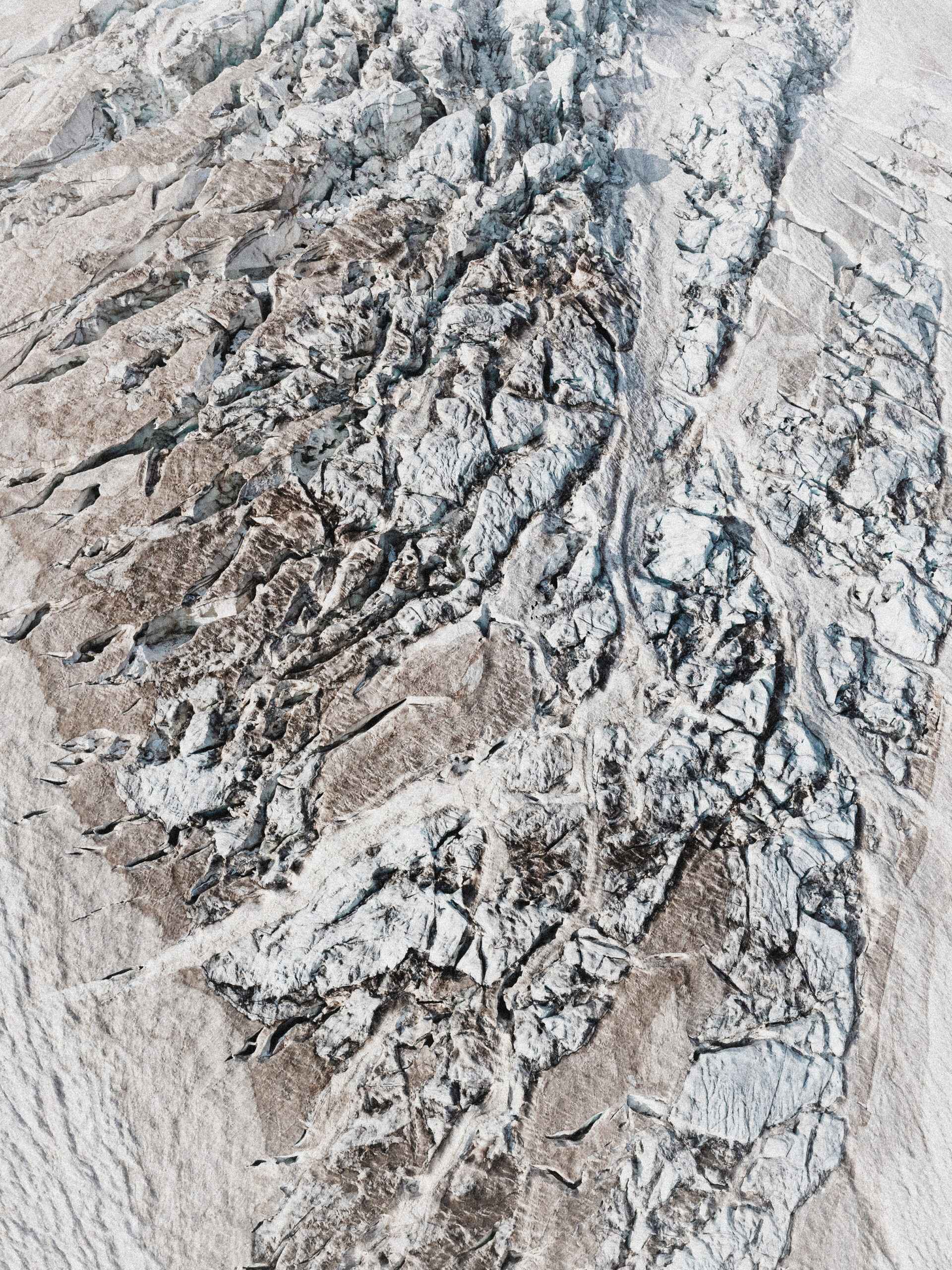
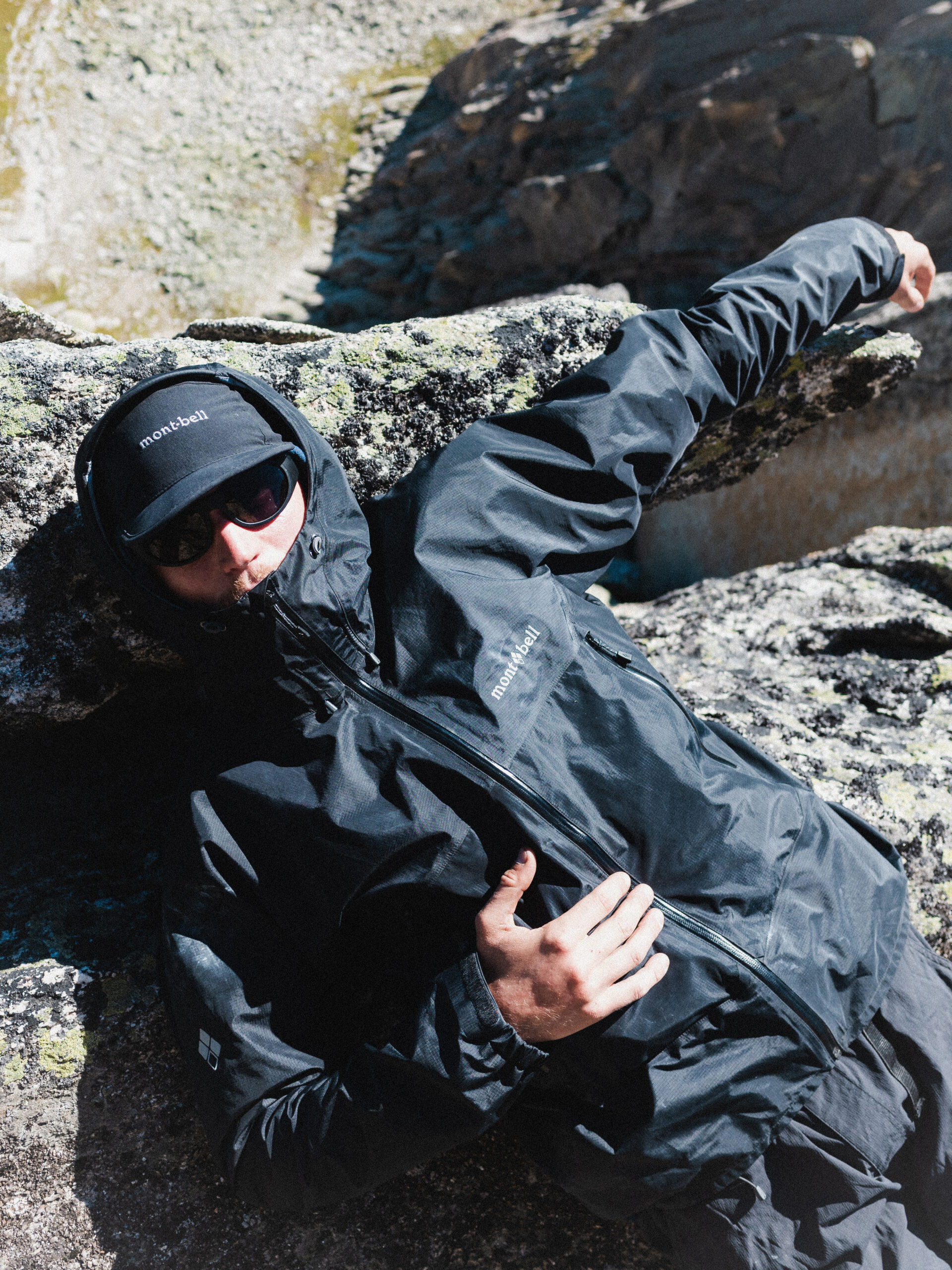
The next day, we move our bivouac to the foot of the Dent du Géant. We start early. Small stones keep breaking away from the wall and bouncing down the rock above us. We hear them before we see them. Then, suddenly, we are standing in front of the Giant’s Tooth.
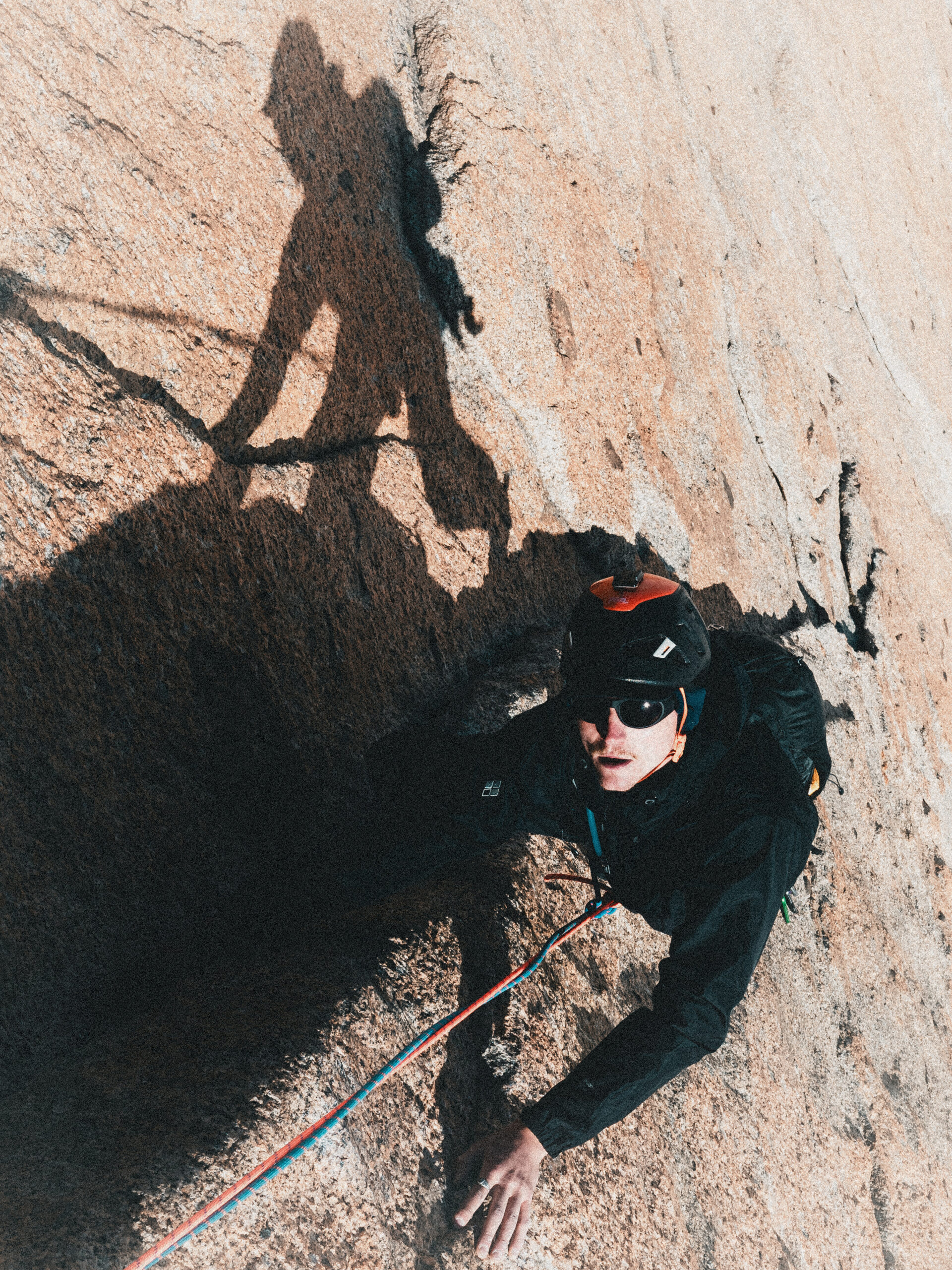
In one of the harder pitches, I stand with my legs spread in a smooth corner. In front of me is a narrow crack, the last reliable protection several metres below. The cams are too wide, and there is nowhere for a nut. One finger in the crack. A foot up. A small foothold, another move. Then an edge appears. I pull myself over it and reach the belay.After that, I decide not to lead any further. Not because the wall has suddenly become harder, but because I can feel my concentration fading. We switch positions, still confident we can reach the summit.
Ropes start falling from above. The first teams rappel from the summit and cross our route. When someone grabs our lead rope, we decide to follow them down.
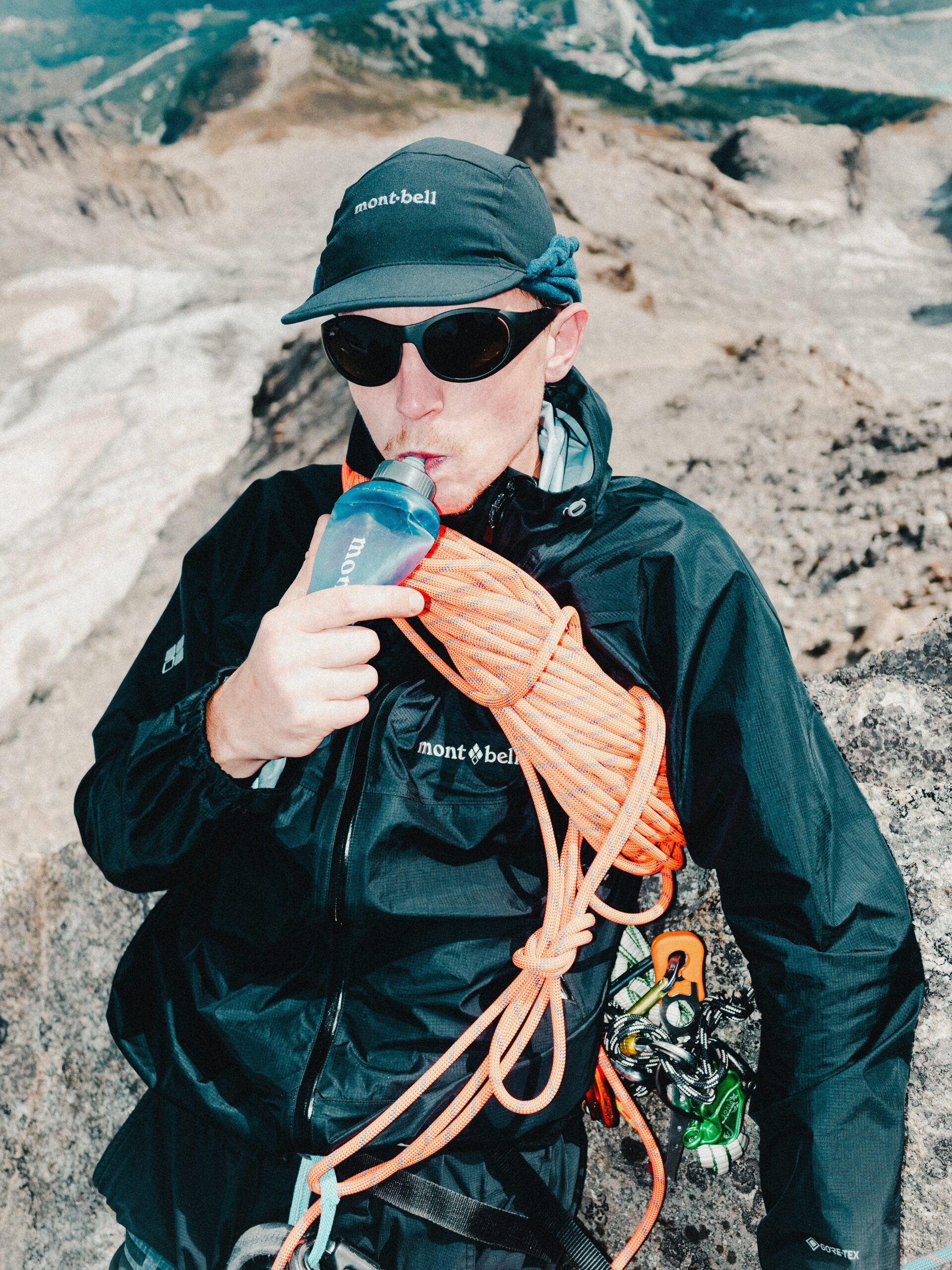
On day three, we sit in the sun in Italy. We eat pizza, go into the river and leave the mountains behind for a moment. Then the landscape changes again. Together with Lucien, we drive towards Salbit. The glaciers disappear and the valley becomes drier. After the days on ice and snow, the warm granite feels almost like another world.
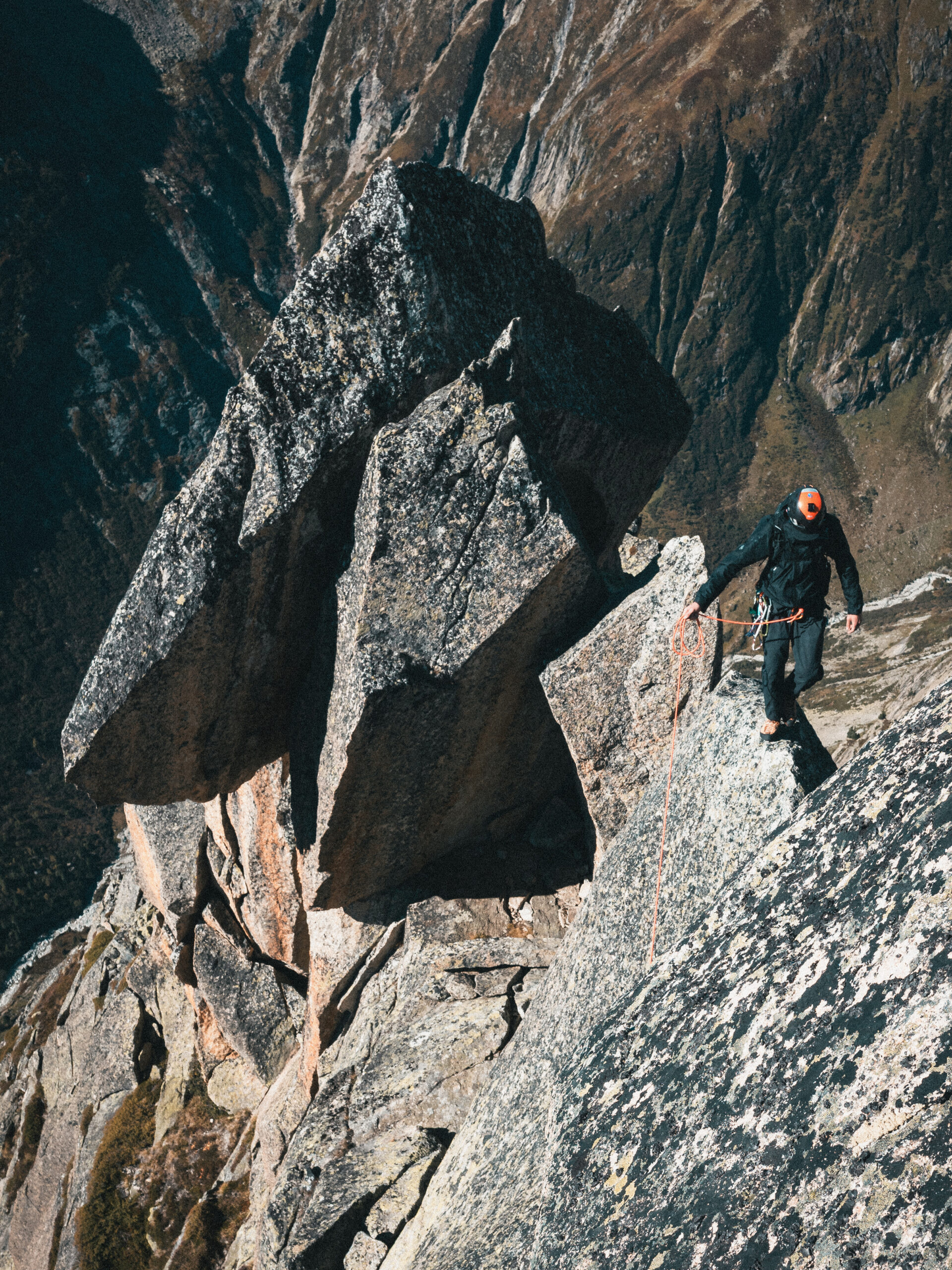
At Salbit, we start on the West Ridge. We climb through cracks until we realise we are too slow for the whole ridge. We stop on a flat tower, wait in the sun and watch the shadow move across the valley.
On our last day, we take the South Ridge. The terrain is easier, the movements become faster. We climb, talk, belay and keep moving. Eventually, we reach the top. Below us lies the valley we came through a few days earlier. The glacier on the horizon is barely visible. Between us and it are the rocks of Salbit, fields of scree and warm river valleys.
We pack the ropes and start descending. The further down we go, the warmer it gets. After several days outside, we know what we need, what we miss and what we can rely on. After a long day on the rock, the sleeping bag becomes a small space between us and the cold. The next morning, we pack it away and carry it on.