Mikey Kratzer Solo TSP

 — 
March 25, 2024

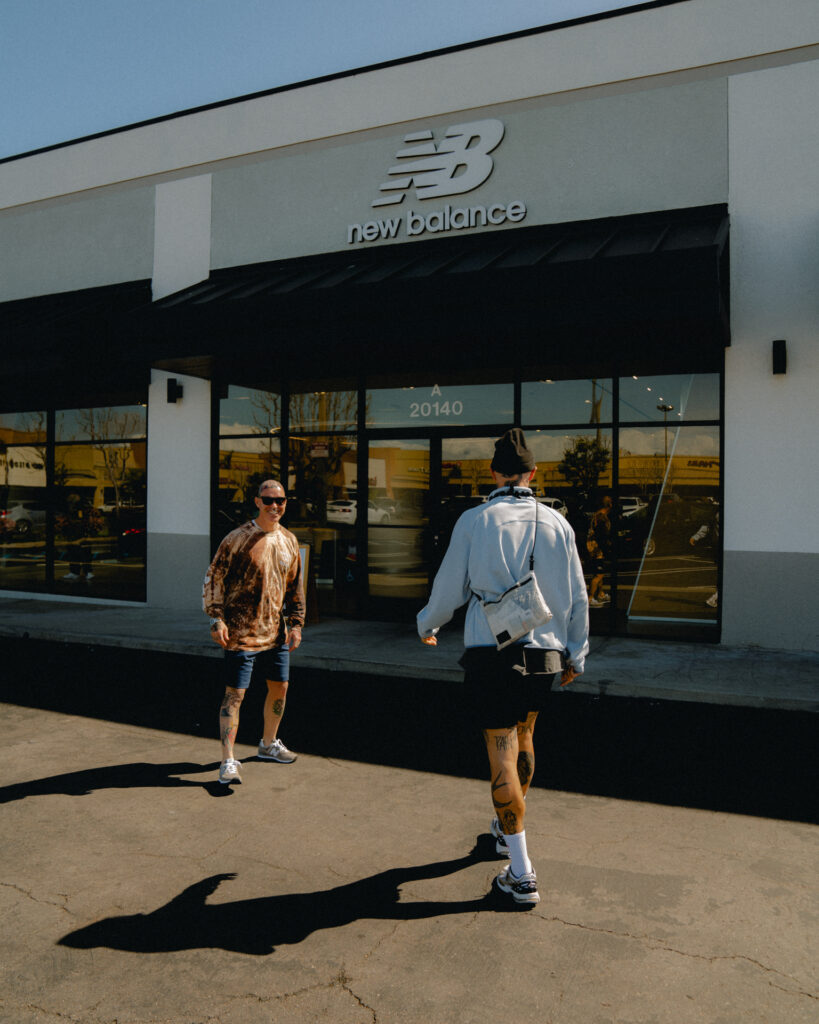
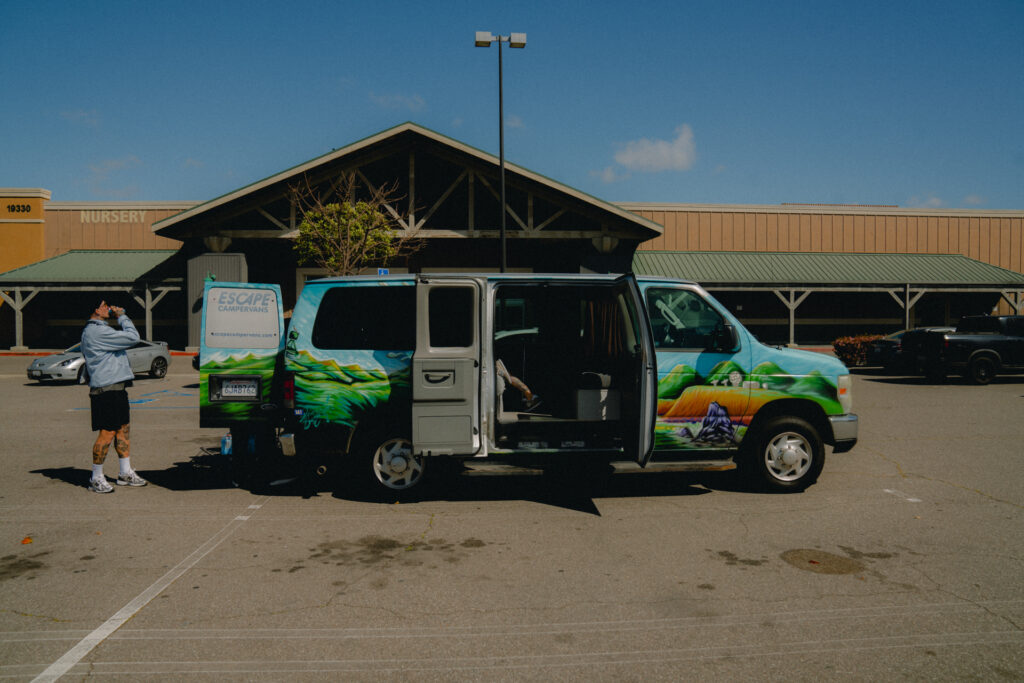
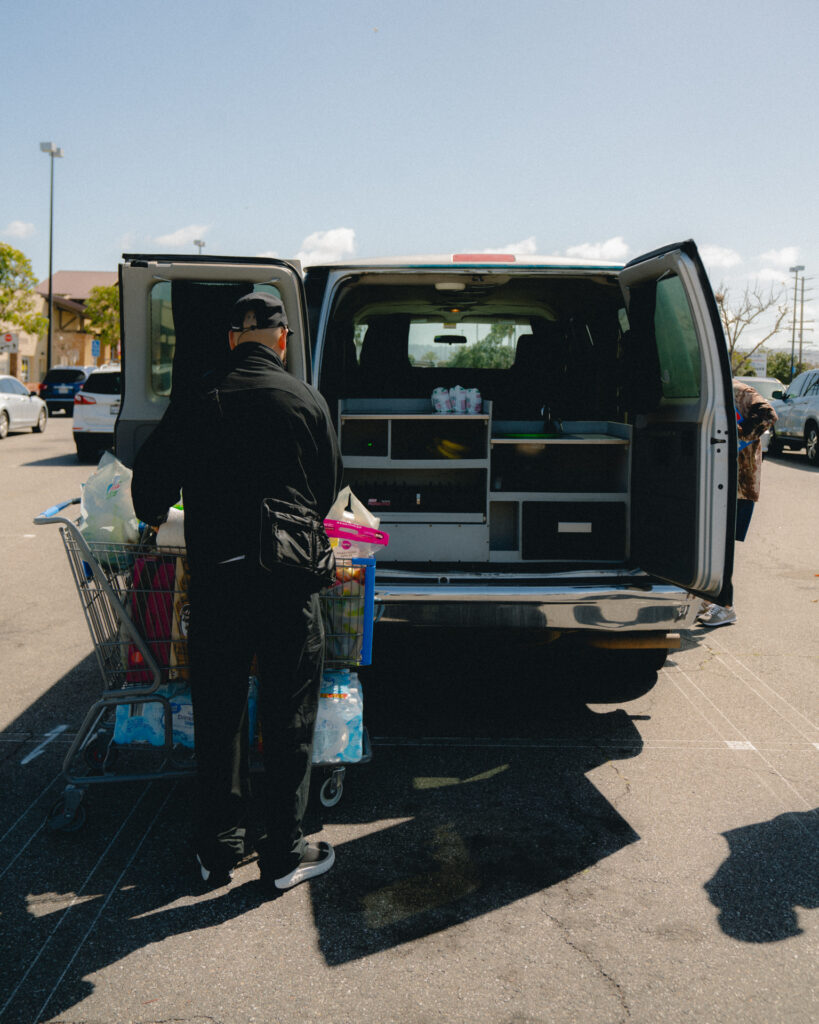
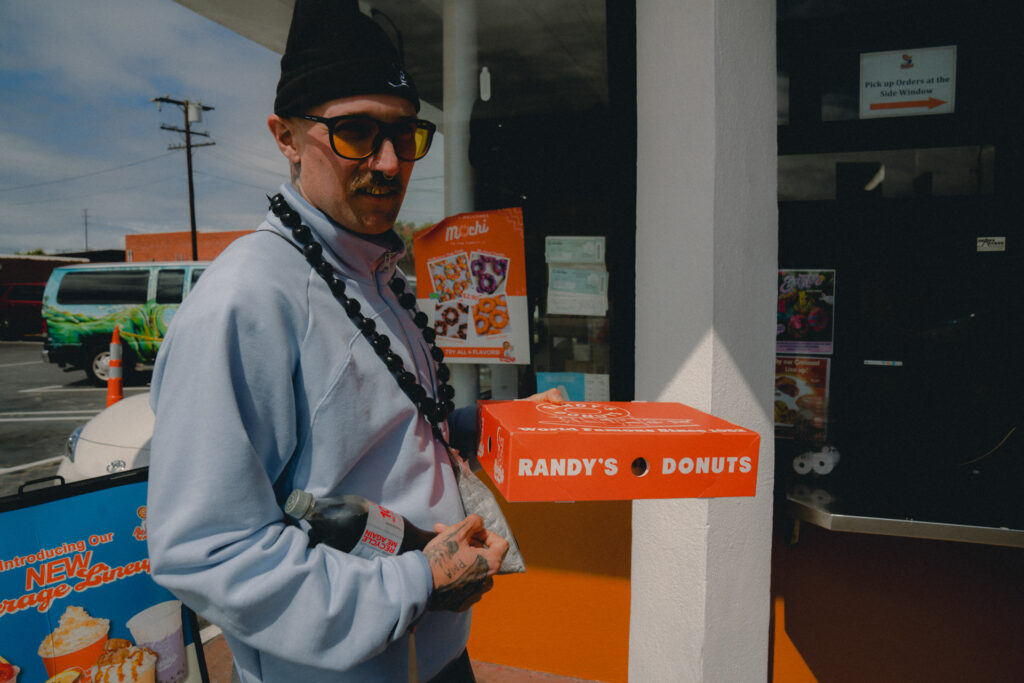
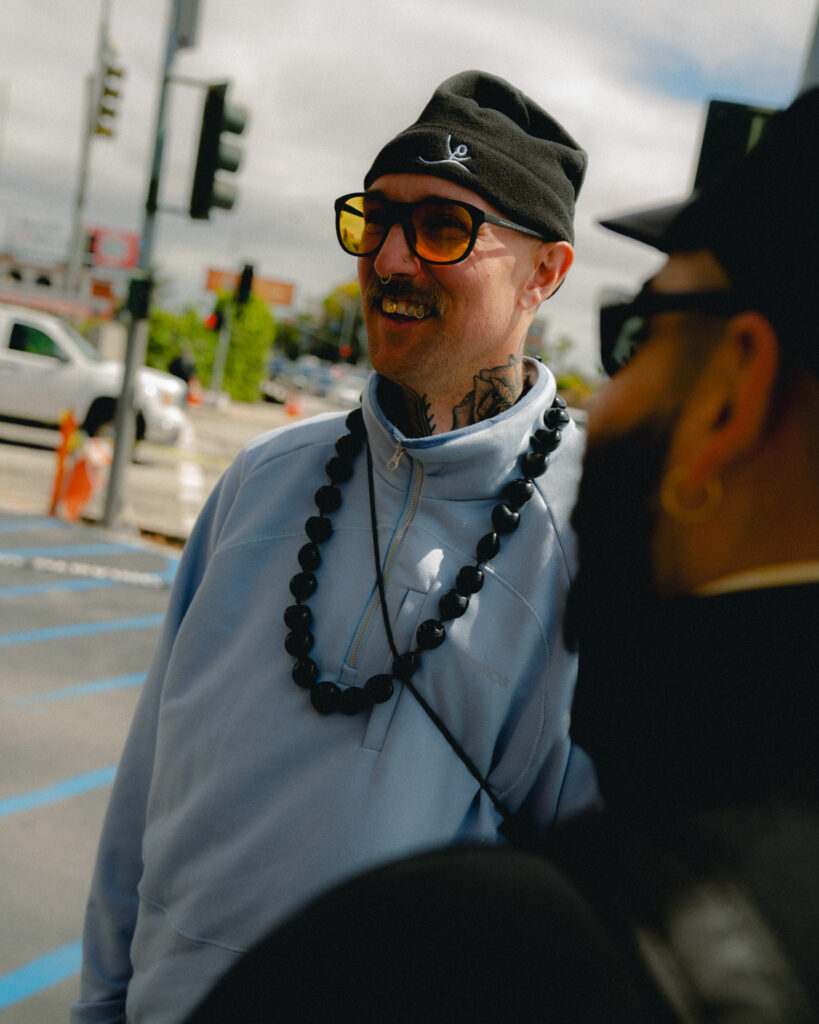
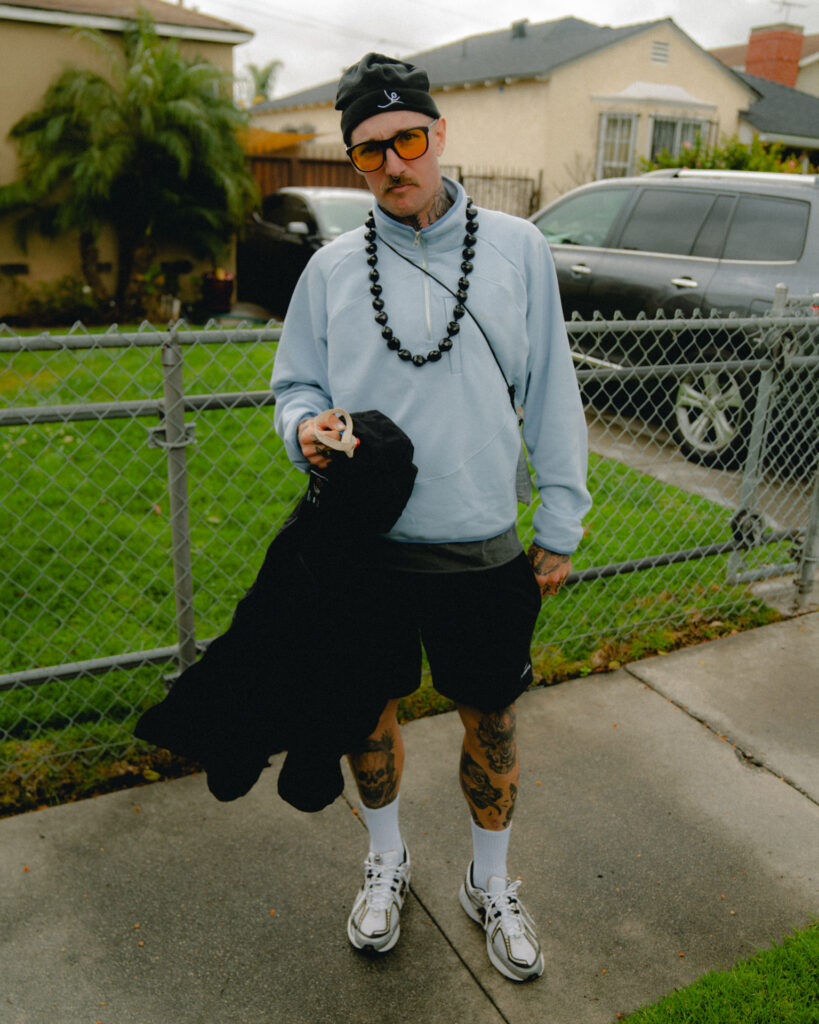
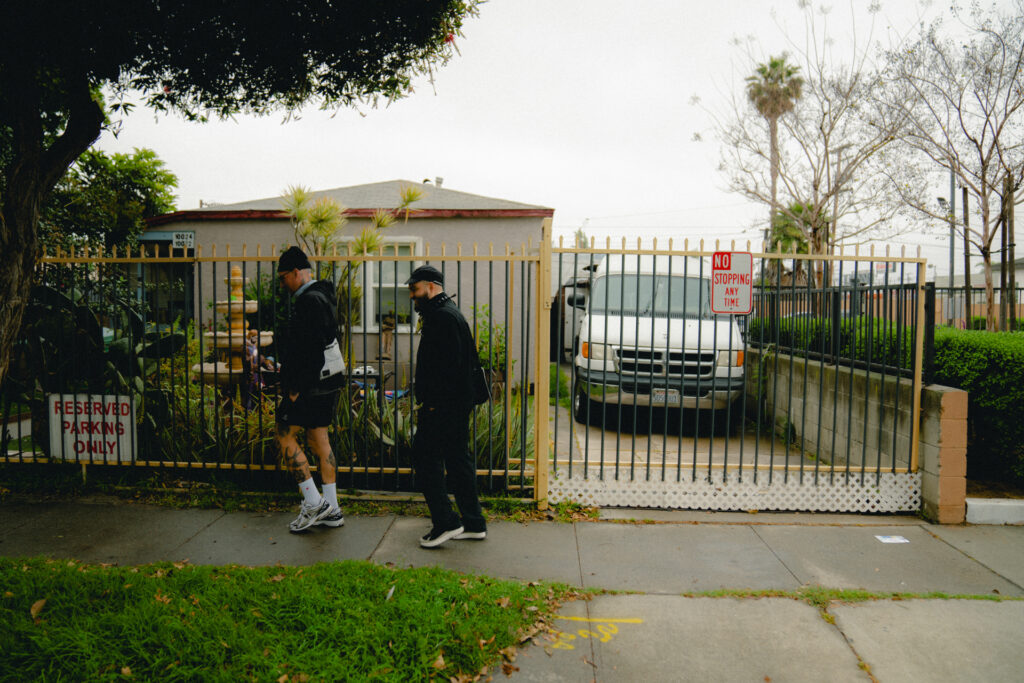
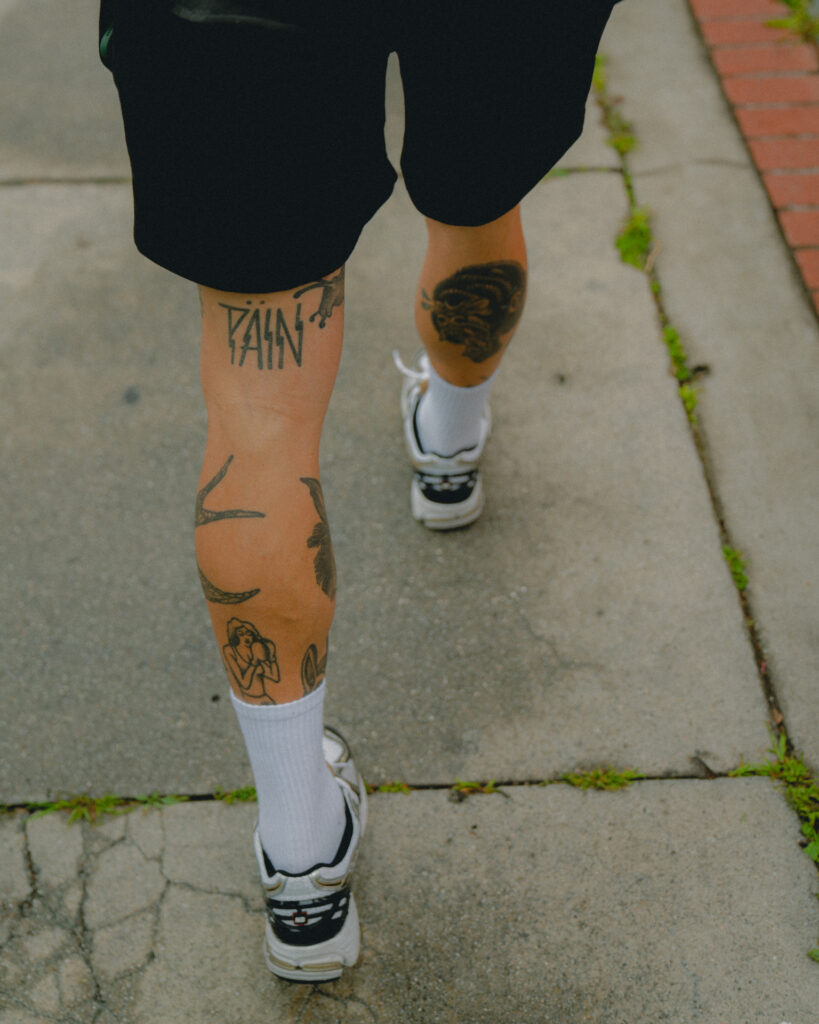
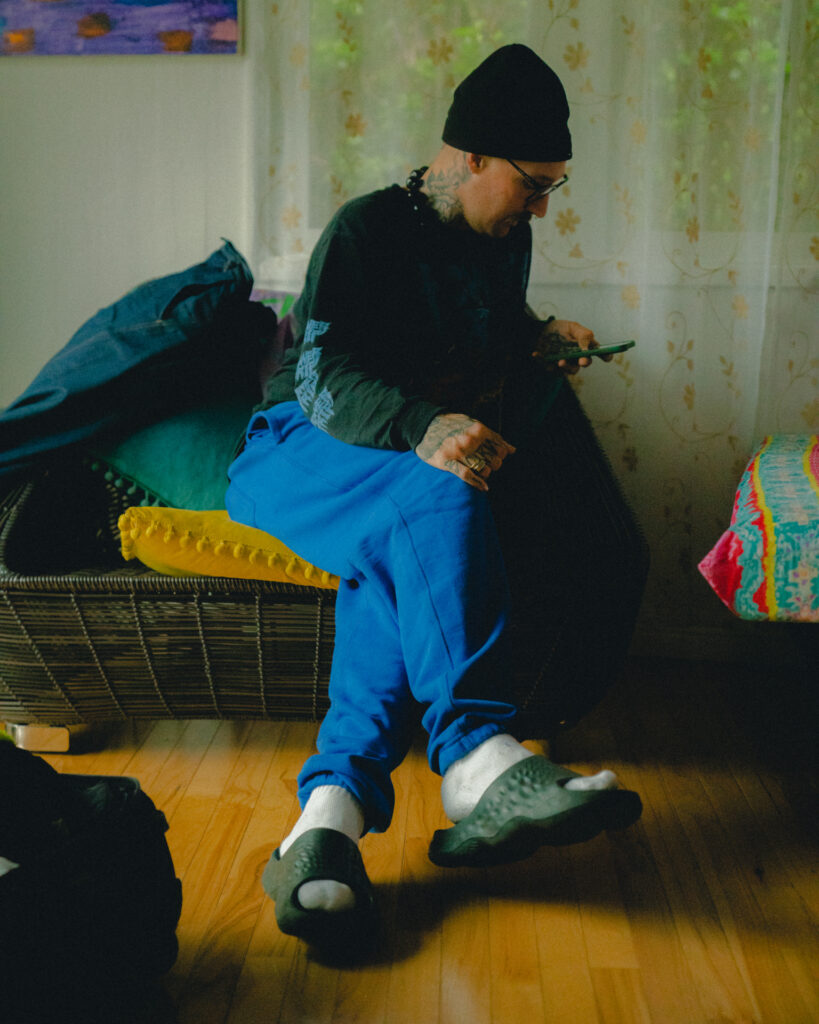
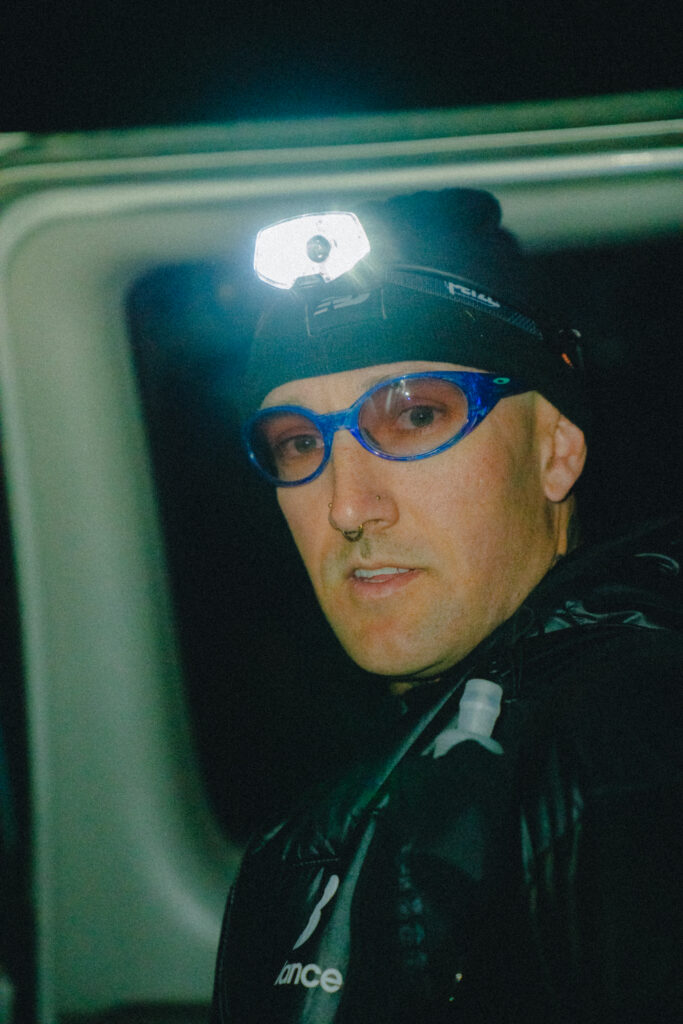
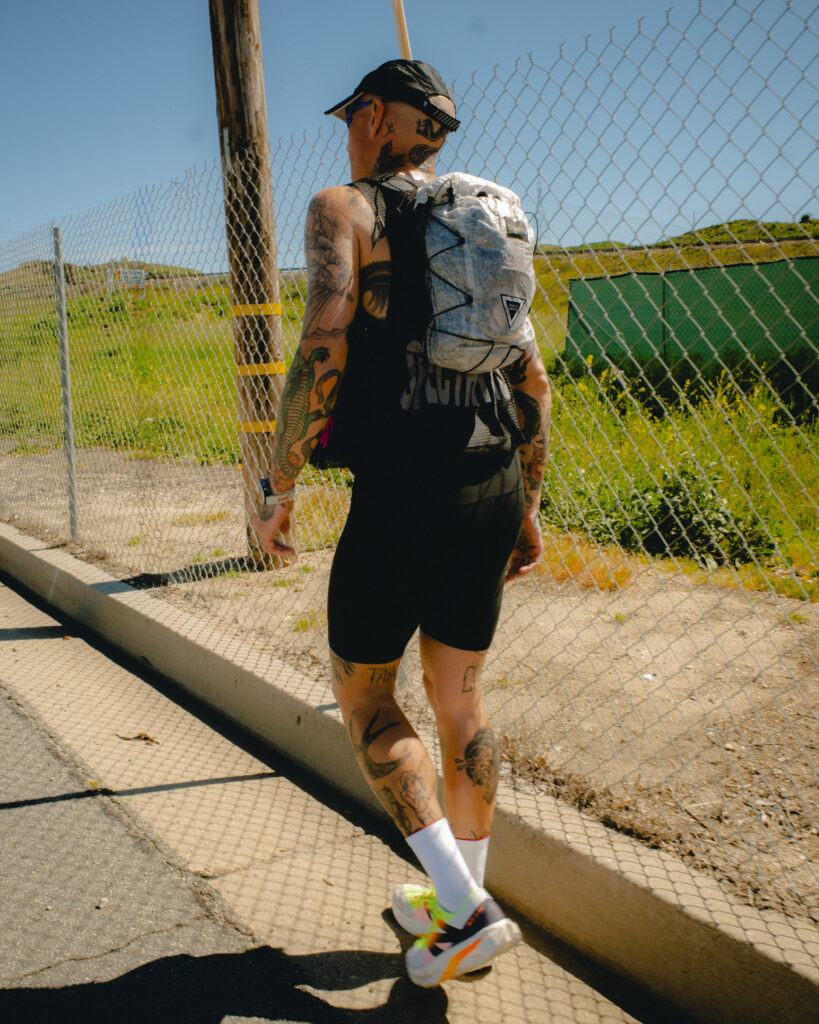
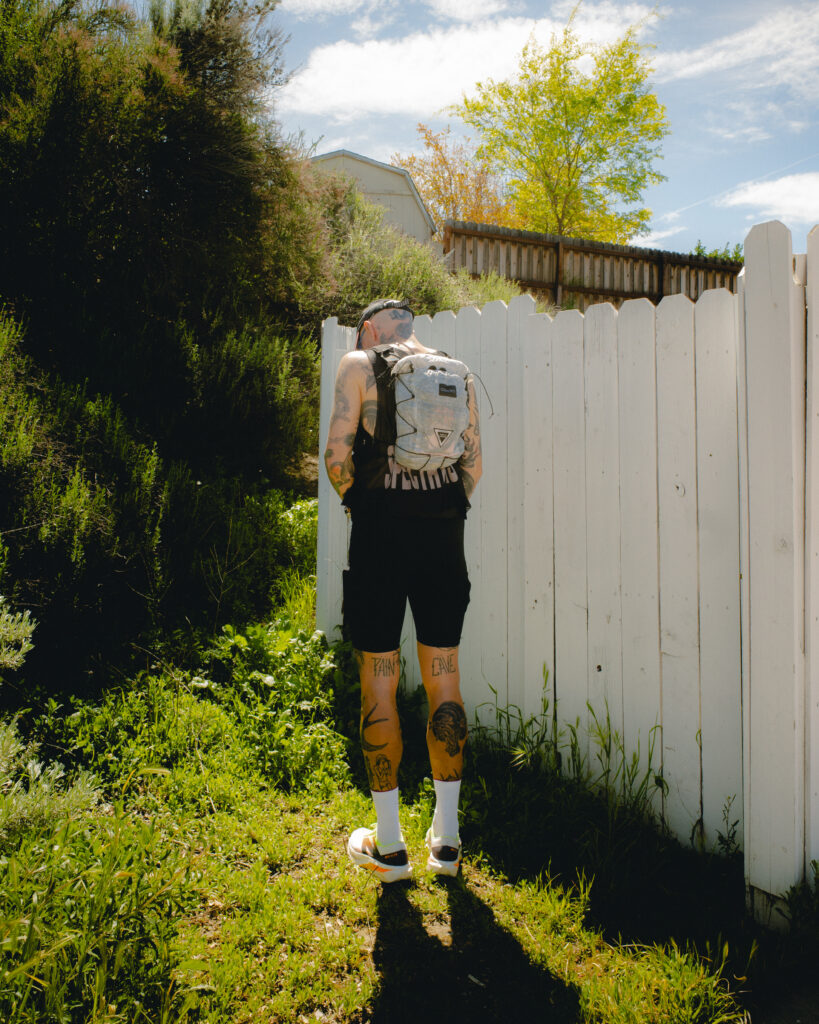
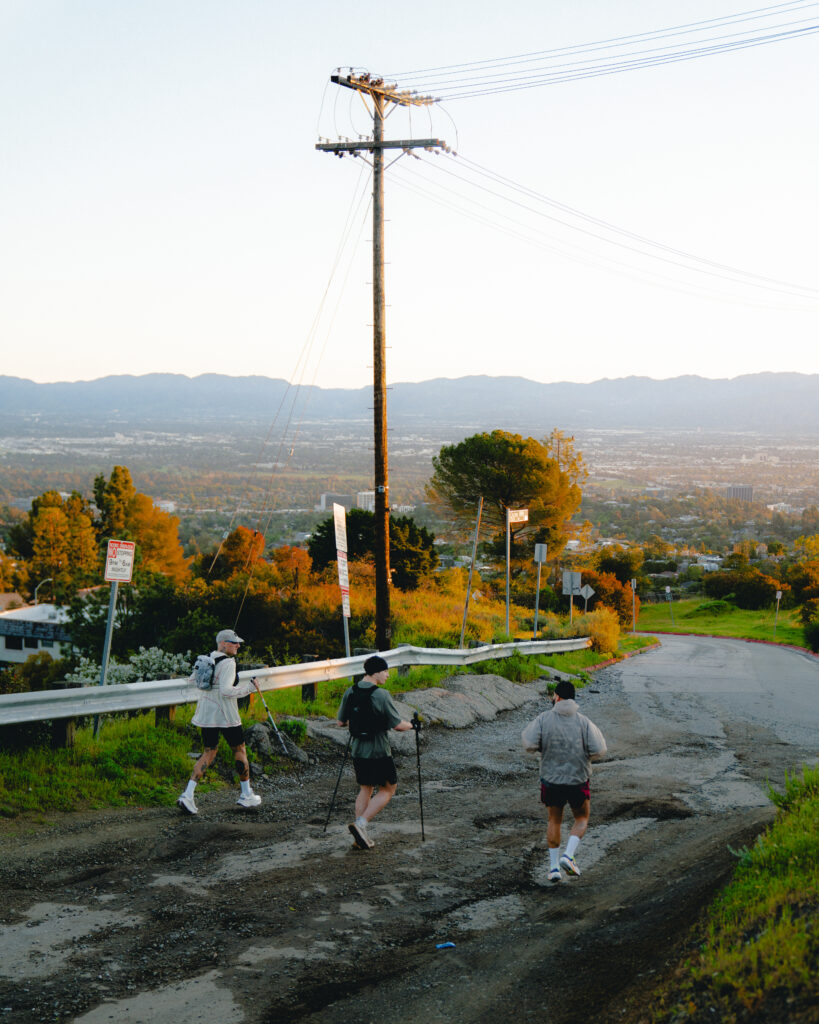
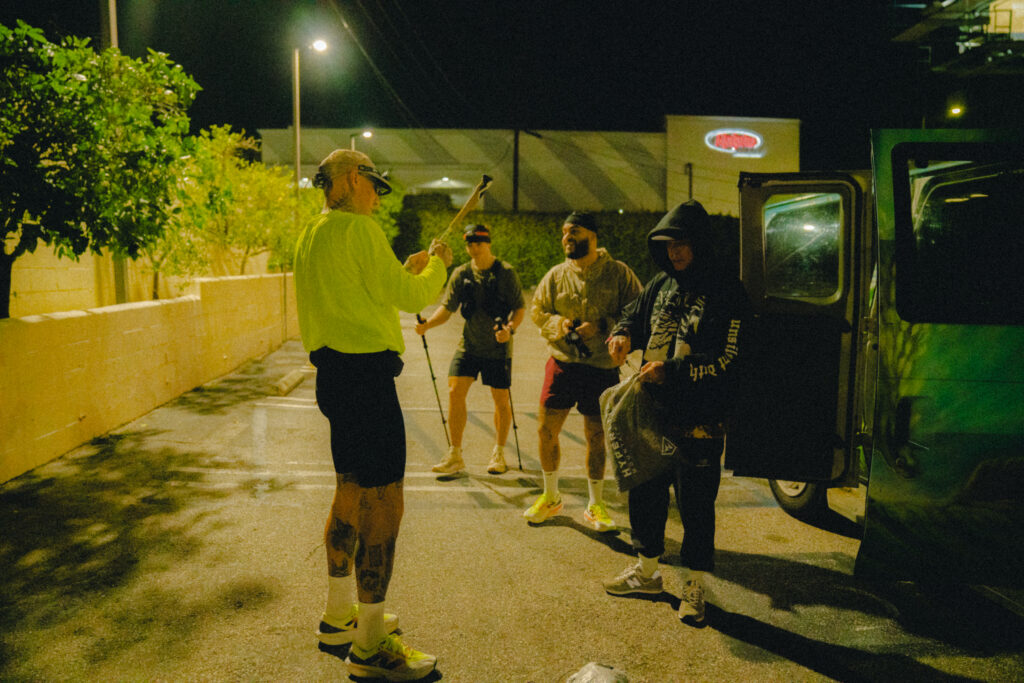
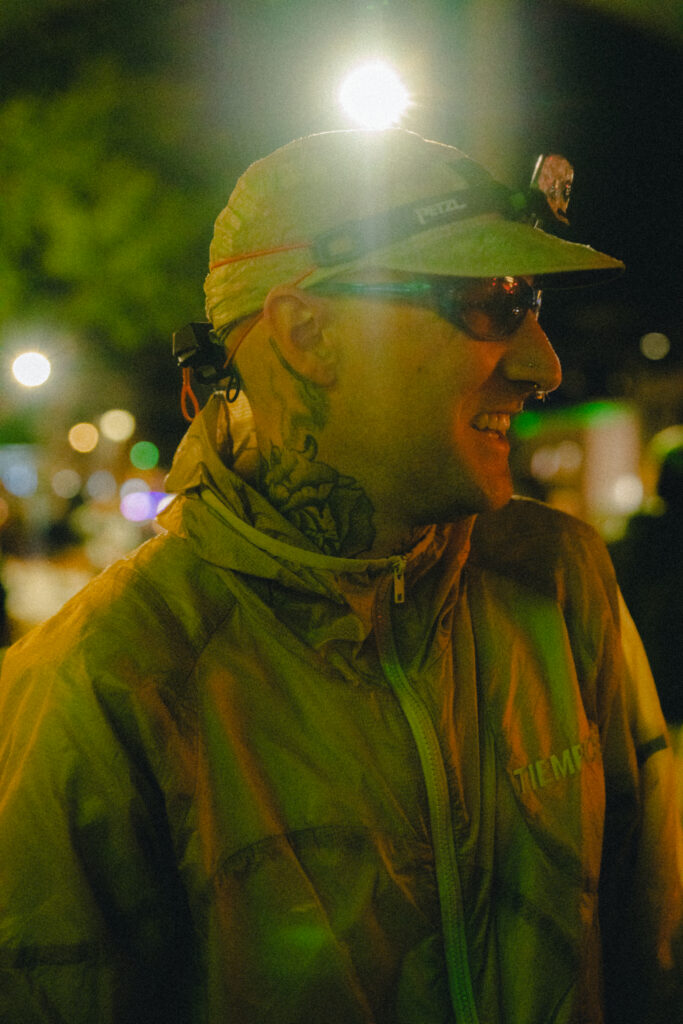
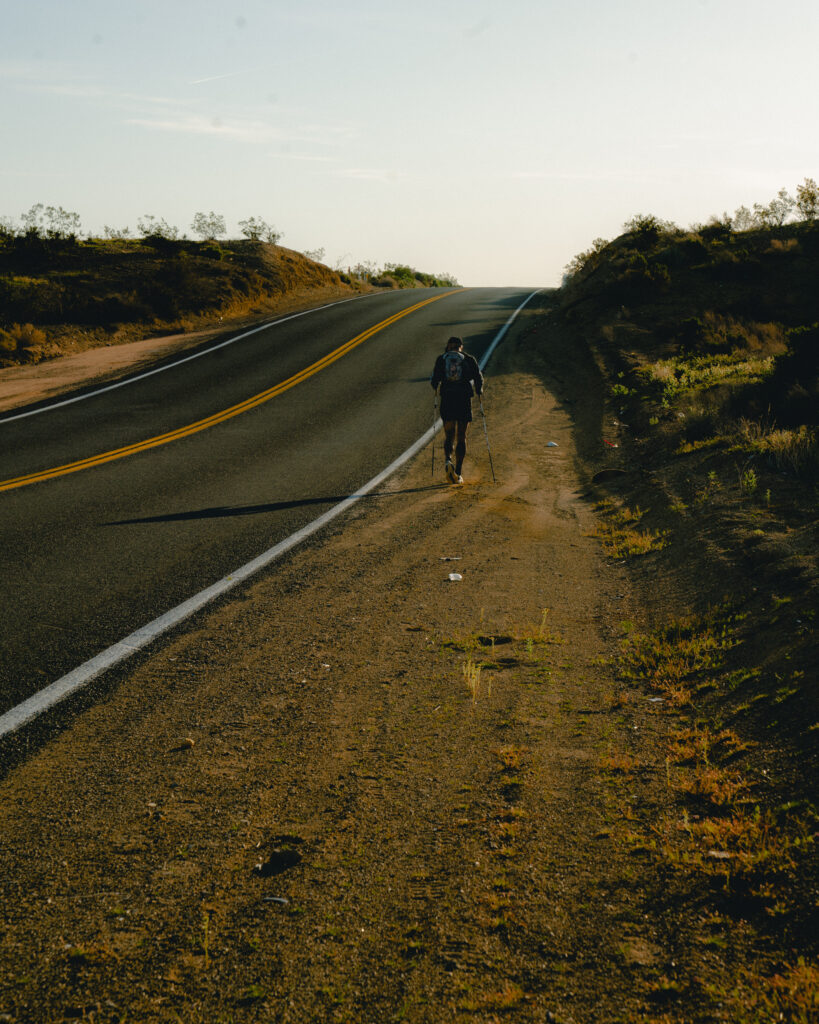
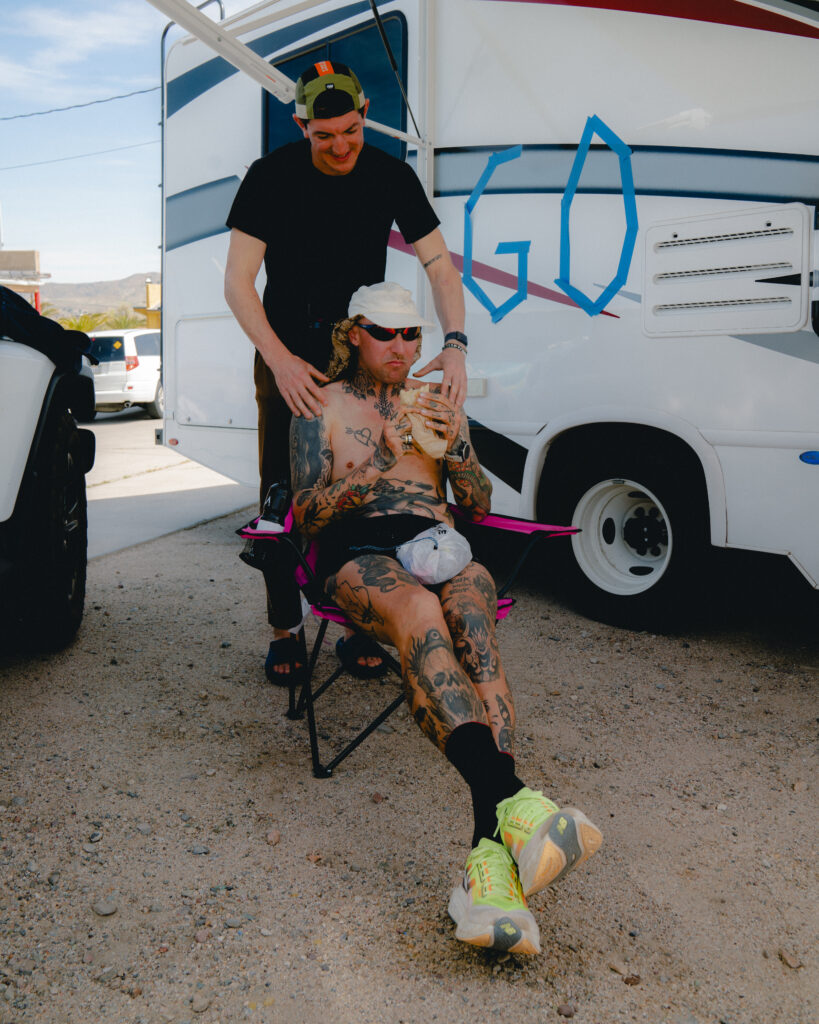
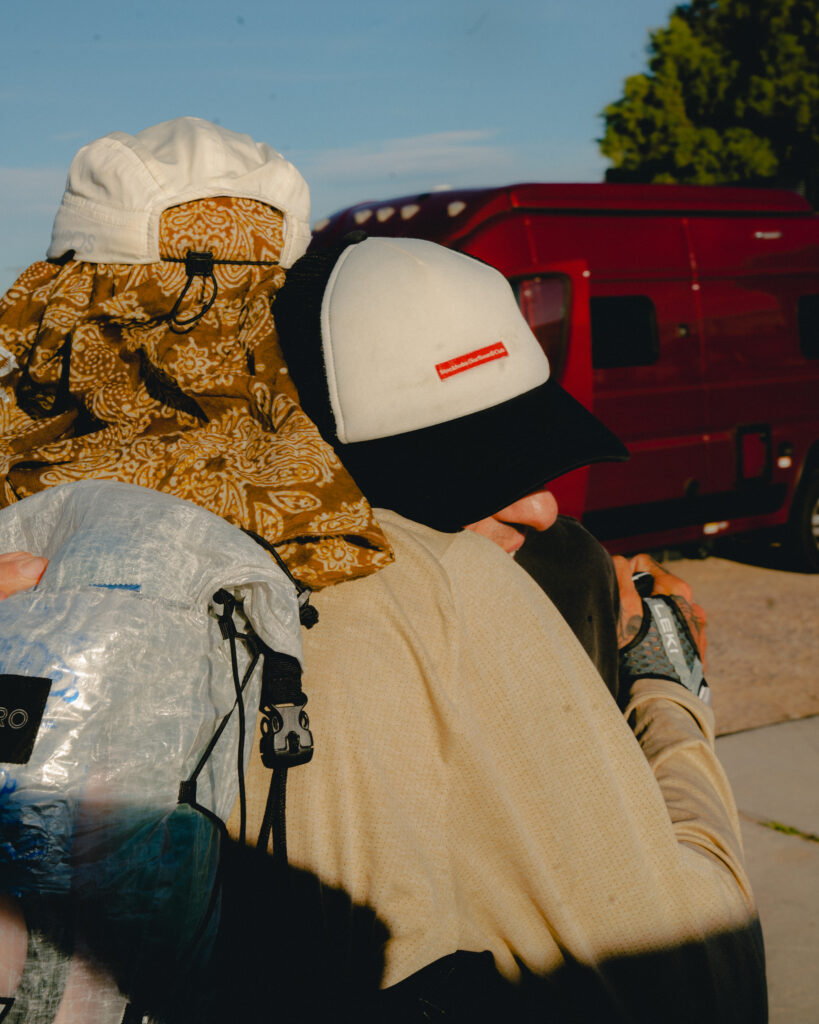
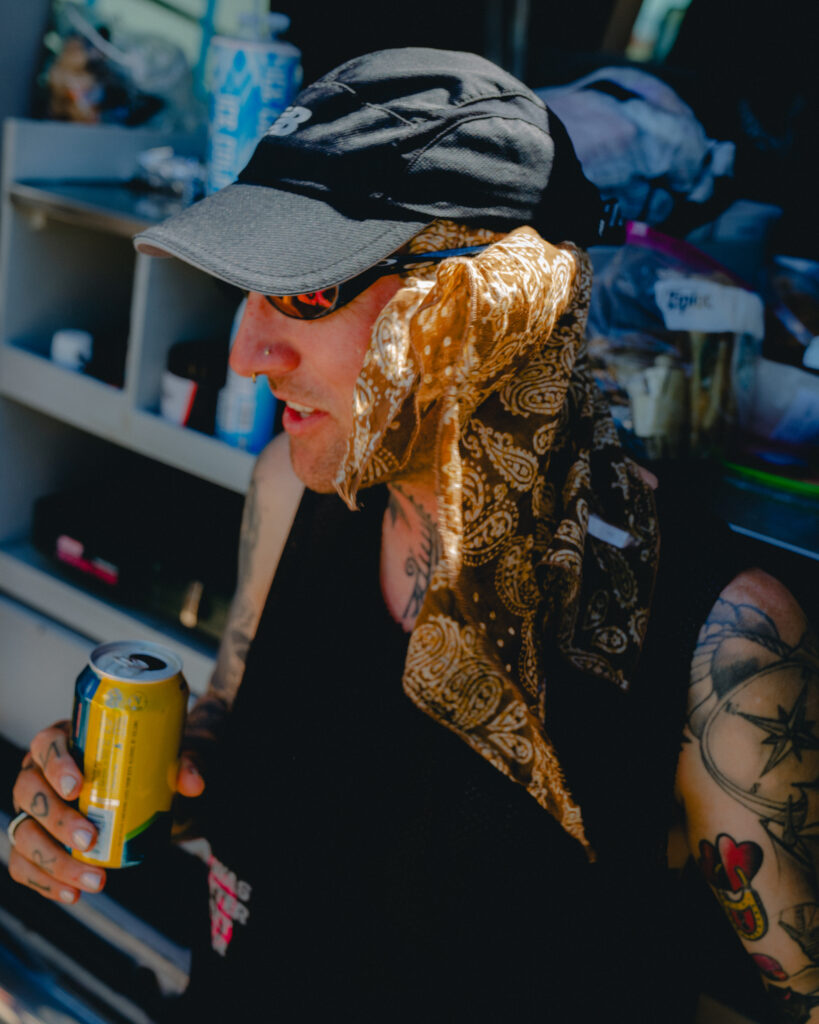
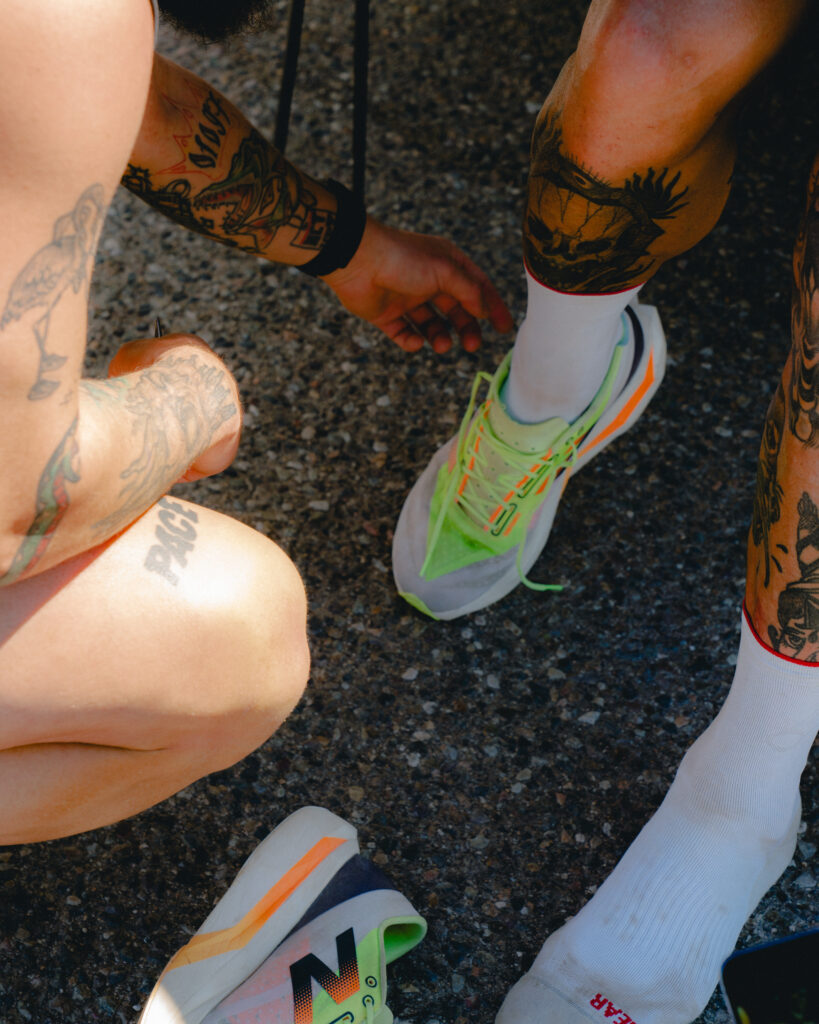
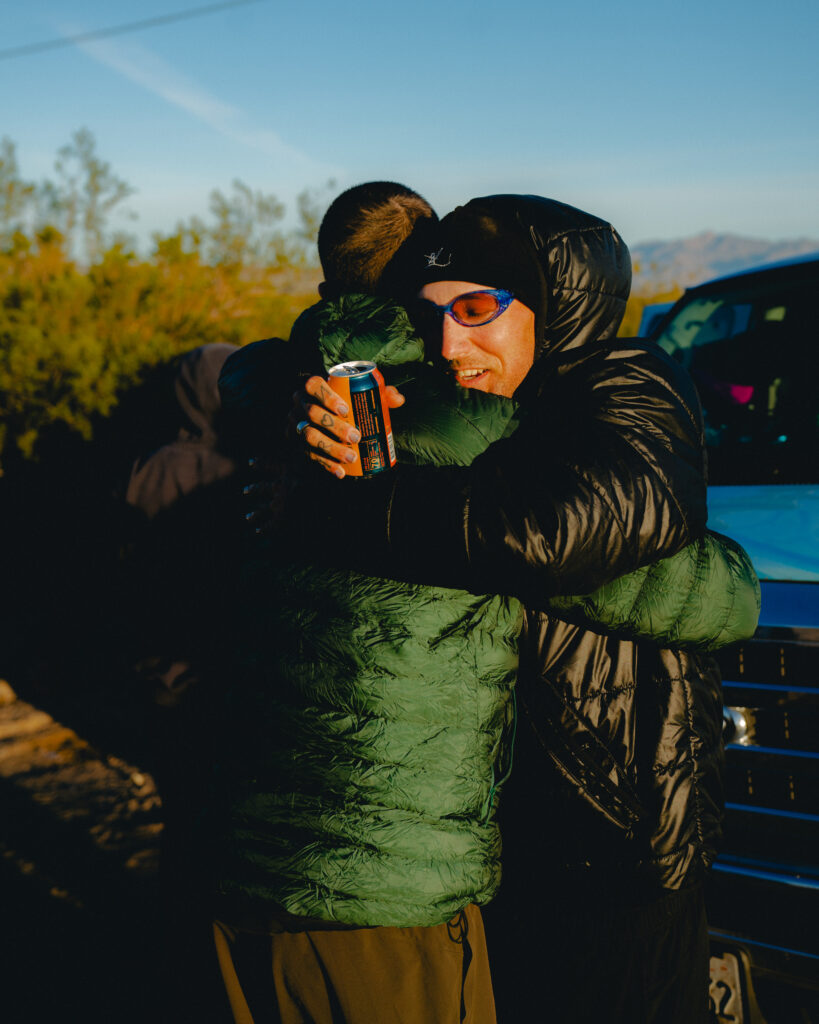
Mike Kratzer has been at The Speed Project multiple times, always running in crews. This year, he decided to do a solo attempt. 500 Kilometers through the desert, from Los Angeles to Las Vegas. His goal: to arrive in Vegas in less than five days.

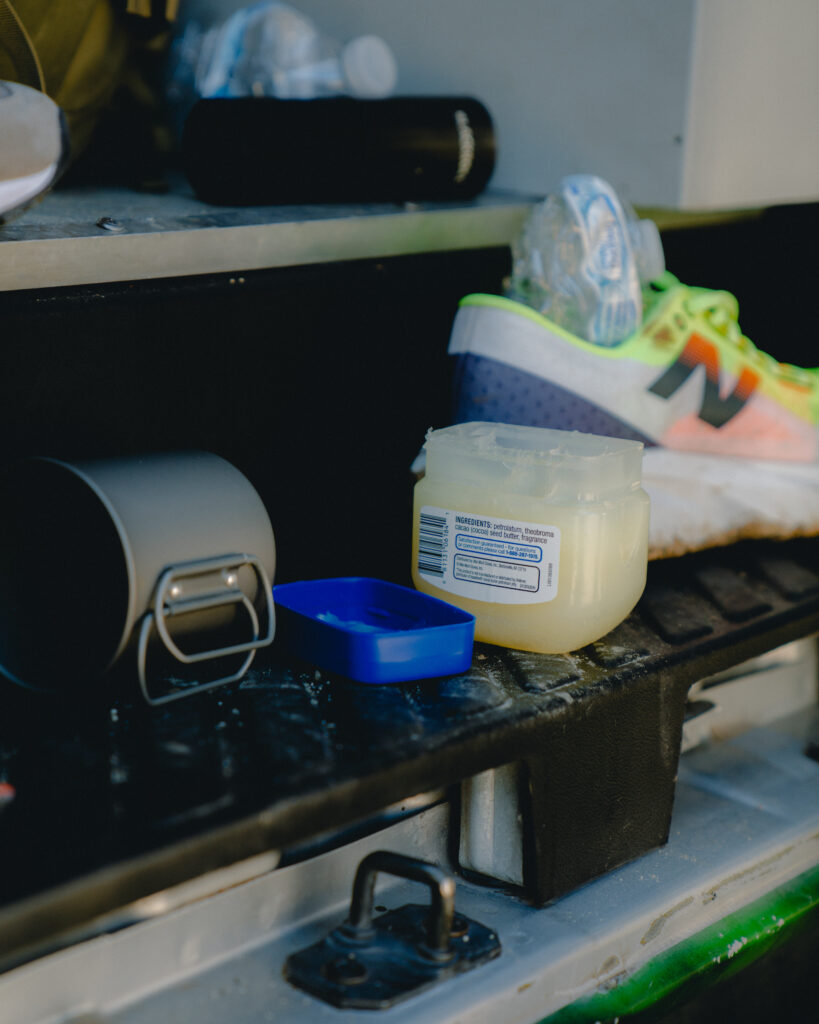
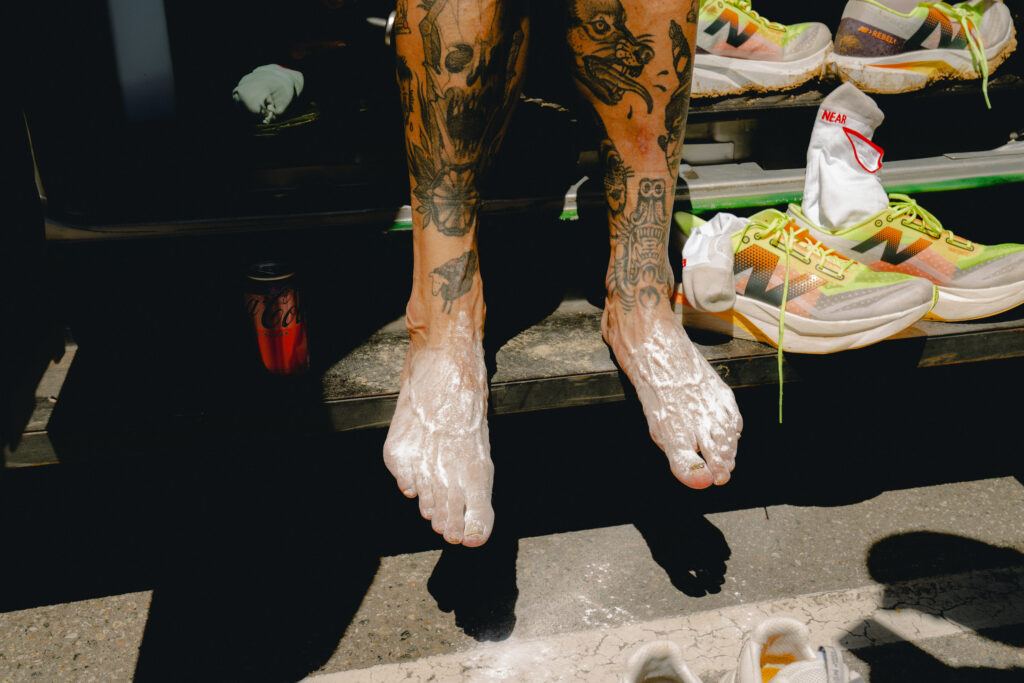
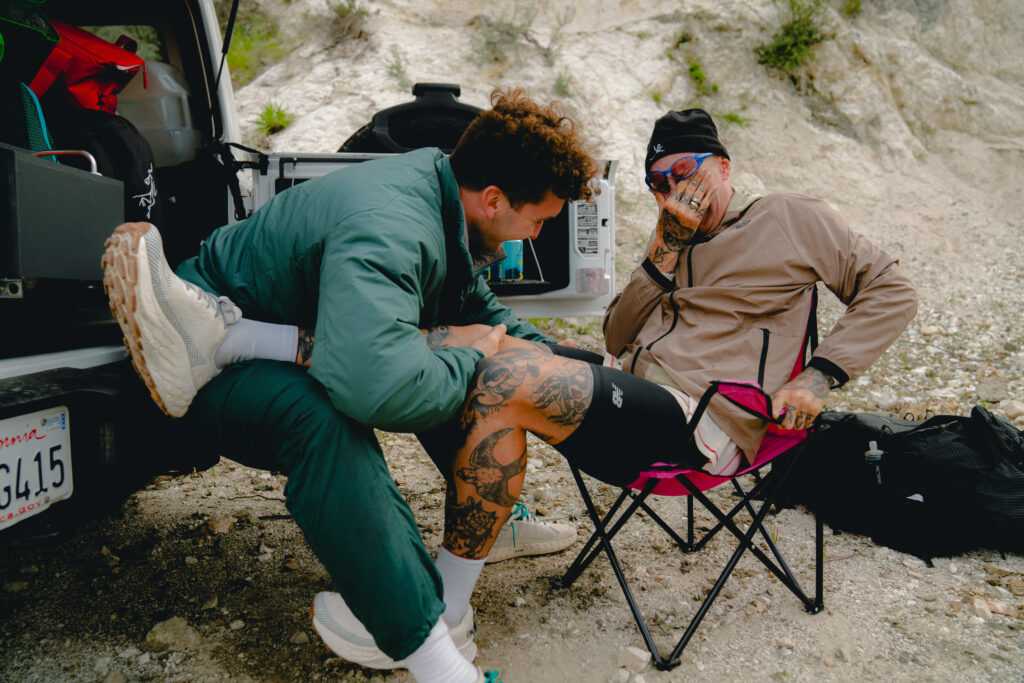
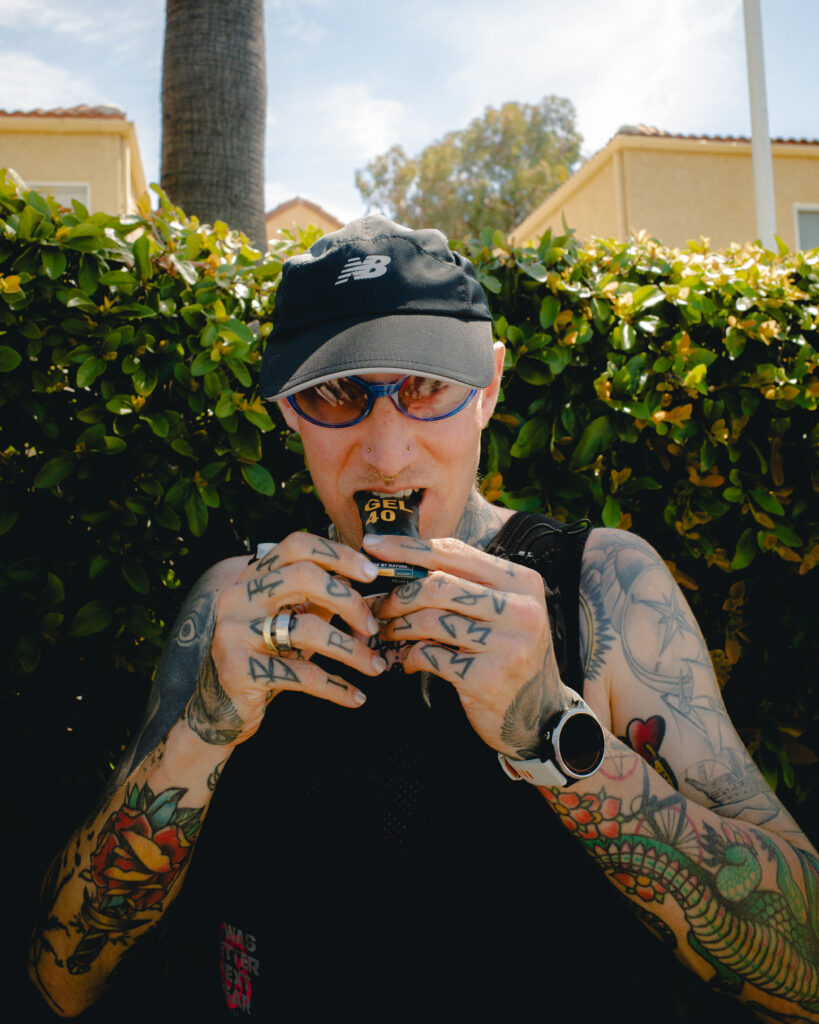
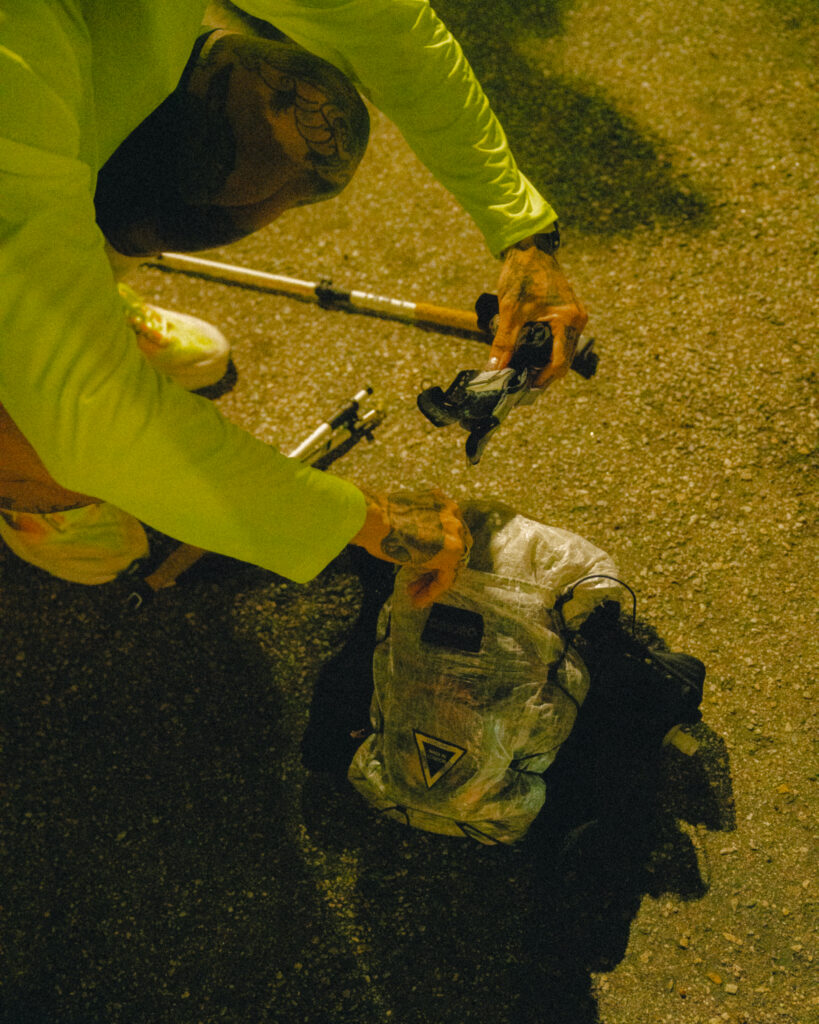
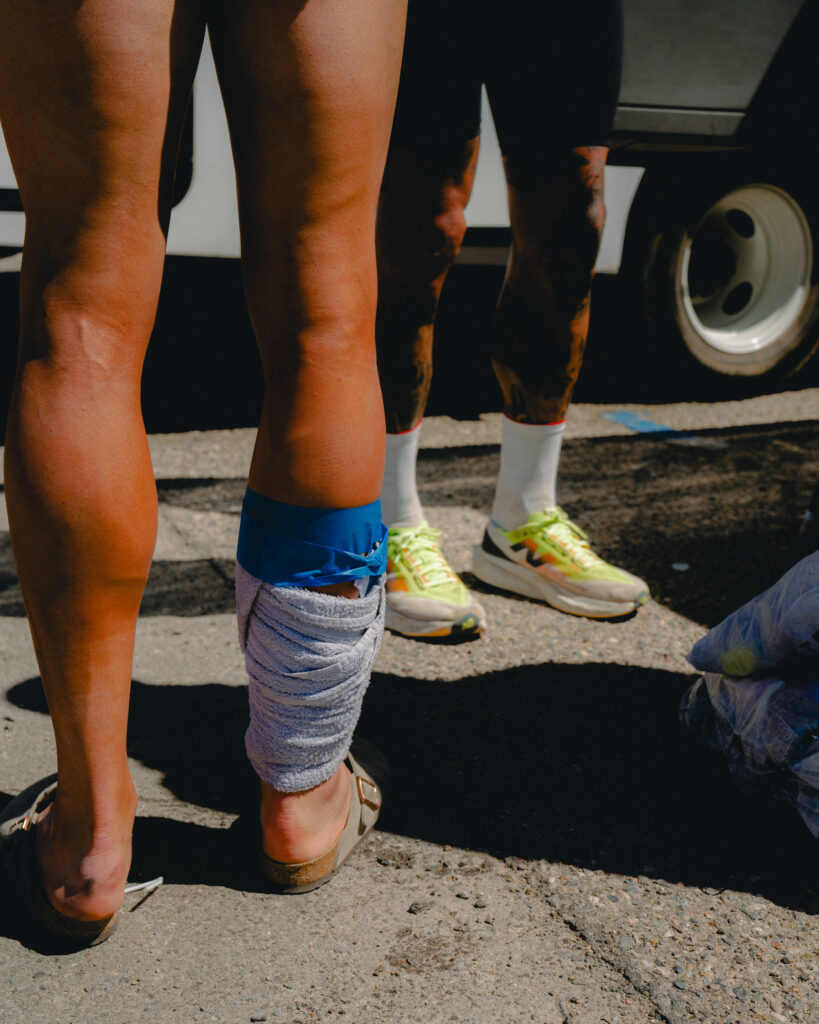
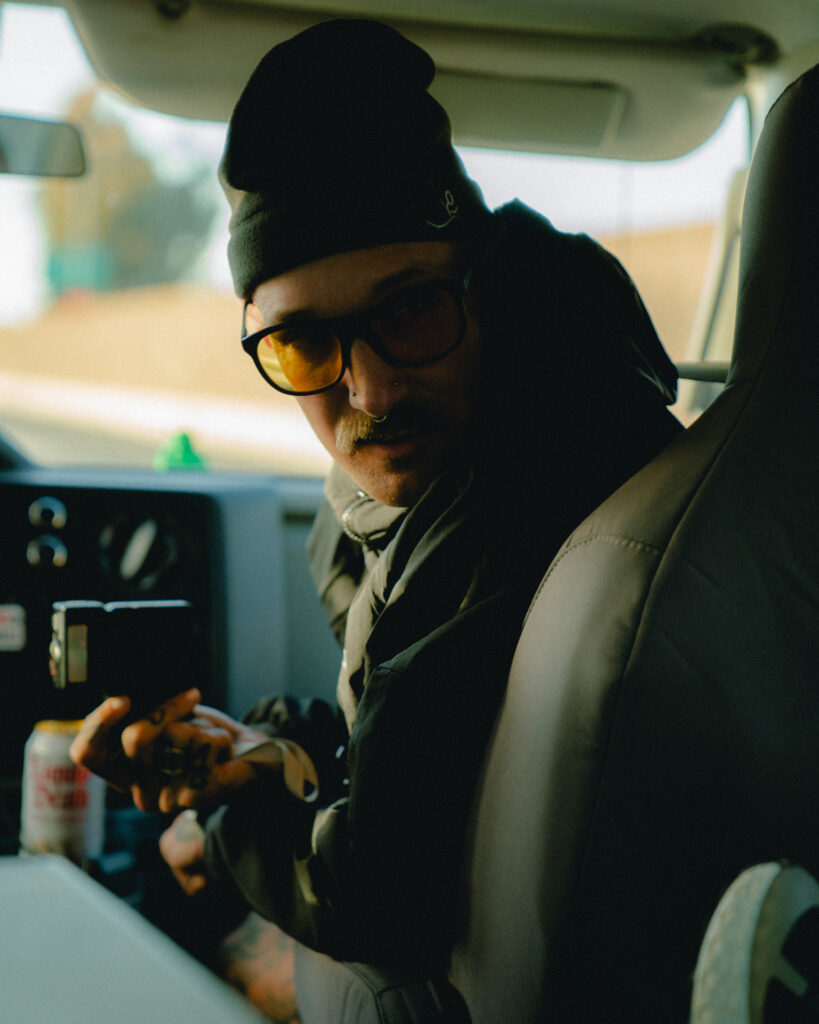
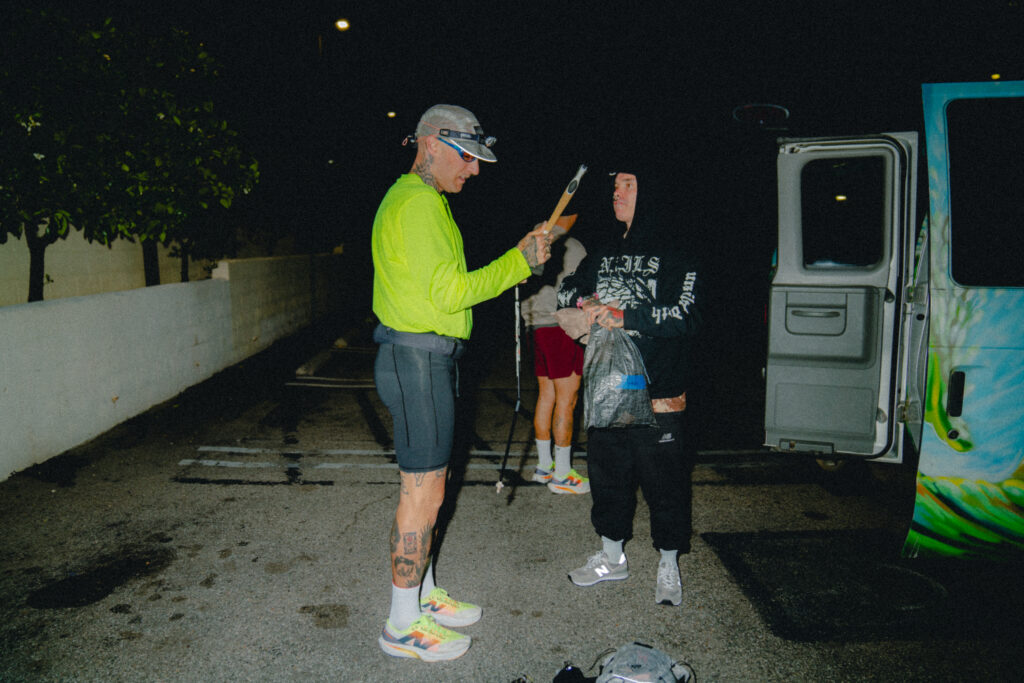
We join Mike on his long run through the desert. From sunrise to the dark of night, the morning breeze to the midday heat, from his highest highs to his lowest lows. We help him counting all his blisters and every bloody broken toenail. 

This article is updated regularly to keep you up to date with Mike’s race.


Day One

Day Two

Day Three
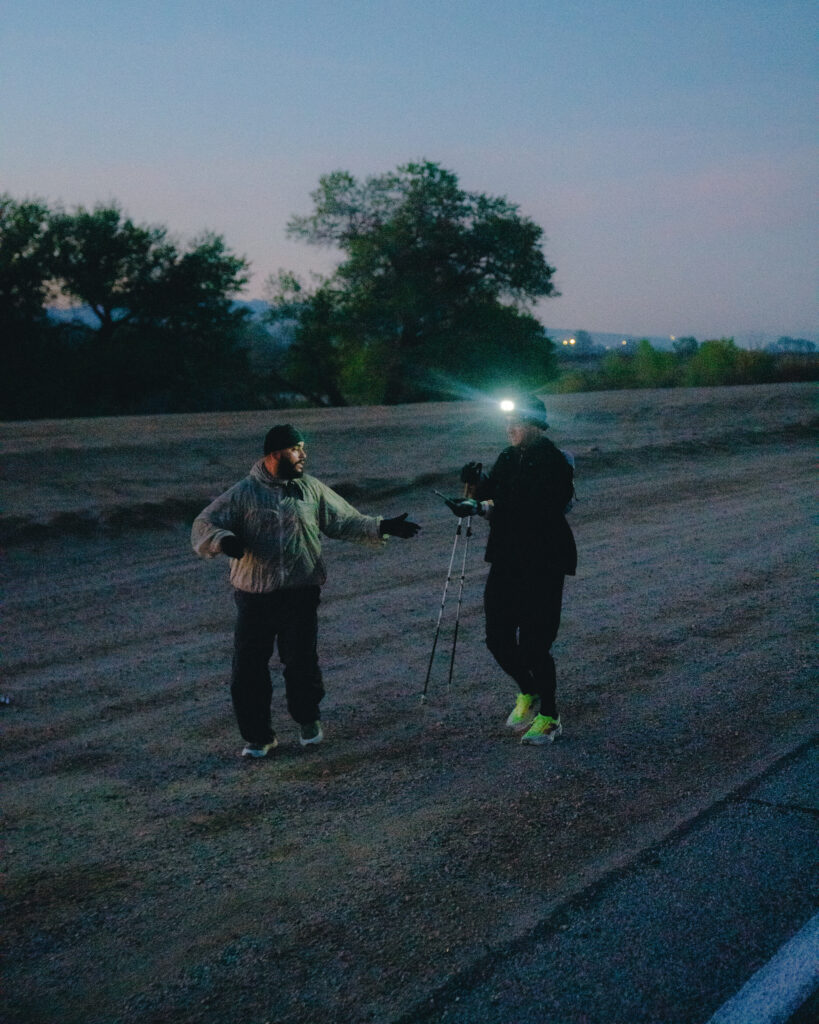

Day Four
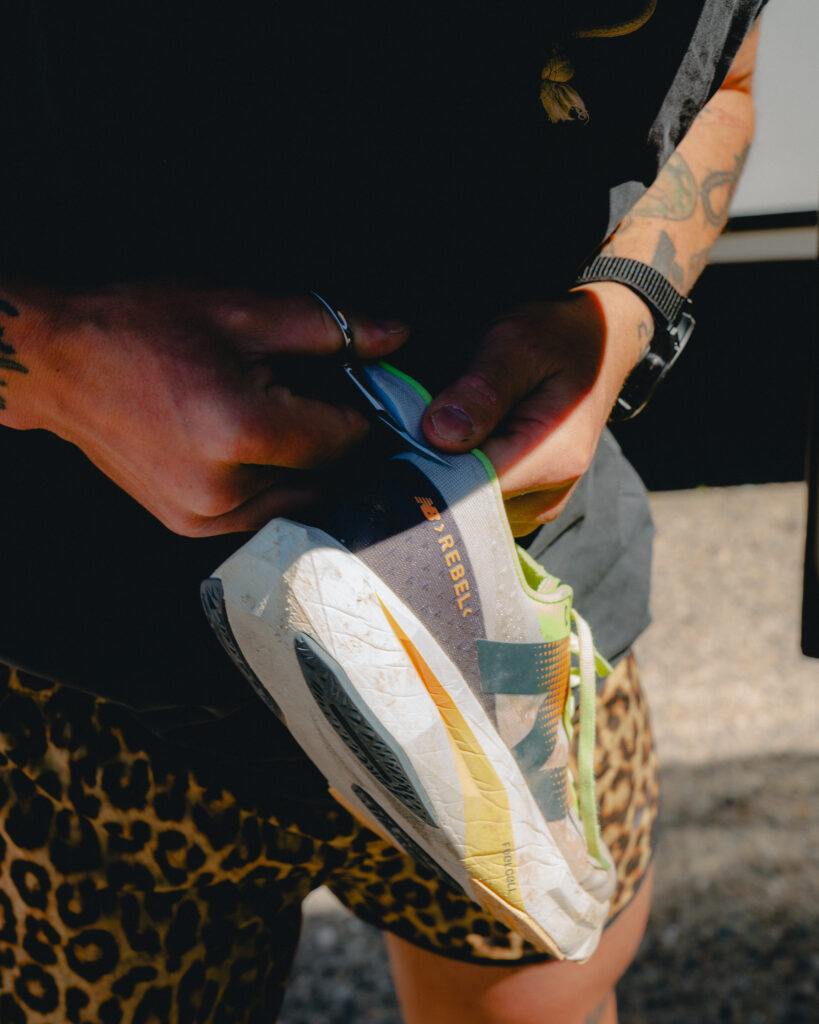
After running 439km in four days, Mike decided to quit The Speed Project due to a painful Achilles inflammation.


"In the whirlwind of emotions and exhaustion, I faced a pivotal moment—a crossroad where the allure of completing the race clashed with the reality of my body’s limits. Despite the camaraderie and the sheer distance I’d covered—439 kilometers of highs and lows—I made a decision that might seem like failure to some, but to me, it was a different kind of success.

As the day drew to a close and my fellow runners faded into the distance, I couldn’t ignore the nagging voice within urging caution. It wasn’t just about enduring the physical pain; it was about safeguarding my health and preserving the possibility of future adventures.

I need not justify my decision to anyone but myself, yet for those who may question my resolve, I offer this: sometimes, the bravest act is knowing when to walk away, when to embrace the fragility of our mortal coil and safeguard it for the journeys yet to come. So, to those who find themselves teetering on the edge of their own finish line, I implore you—listen to the rhythm of your heart, for therein lies the true measure of victory."


Use Case
Intended use case by the brand, broken down into three categories: Trail, Road, and Race
Cushion
The softness of the shoe’s sole, determined by it’s use of foam. More cushioning increases the level of impact protection while running with minimal cushioning comes closer to a natural running experience (e.g. barefoot). Since there are different types of foams, the equation of “the more foam the softer” does not always work. It is crucial to consider which type of foam it is. Ranging from Hard to Super Soft.
Padding
The amount of padding in the upper. Ranging from No Padding to Very Padded.
Flexibility
The ability to flex when compressed from heel to toe and when twisted. Flexibility and Stability are highly interdependent. As a rule of thumb you can say: the more flexible, the less stable. Ranging from Stiff to Flexible.
Stability
The amount of support provided to the natural rolling movement of the foot. The main factors influencing stability are the sole’s construction and its width. The construction of the upper and the type of lacing can also add to stability. Special Lacing is not considered within this category. Ranging from Free to Supportive.
Traction
The ability of the shoe to maintain stable contact with the ground, mostly determined by the construction of the sole. Added components from external brands such as Vibram or Megagrip can highly influence traction. Ranging from Slick to Very Grippy.
Breathability
The overall mesh density of the upper. Ranging from closed to open
Propulsion
The amount of forward pushing energy return determined by the construction of the sole. Various sole types can add a propulsive effect to the sole such as a Rocker construction or a carbon plate in combination with an energy-returning foam. Ranging from Relaxed to Aggressive.
Drop
The difference in height from heel to forefoot. Ranging from 0mm to 12mm.
Stack Height
The amount of forward pushing energy return determined by the construction of the sole. Various sole types can add a propulsive effect to the sole such as a Rocker construction or a carbon plate in combination with an energy-returning foam. Ranging from Relaxed to Aggressive.
Width
The shoes overall width at its base. This category only refers to the upper to provide information for the overall fit. Ranging from Narrow to Wide.
Width
The overall weight of the shoe. For comparison, we always use the weight of size US 9 for men. Ranging from Ultra Light to Heavy—Ultra Light (<240g), Lightweight (240–280g), Medium (280–320g), Heavy:  (>320g).

multi-faceted platform within the athletic and outdoor culture.

© 2025 by APR MAG

Fischer & Santiago GbR
Auguststraße 47a
10119 Berlin
Germany