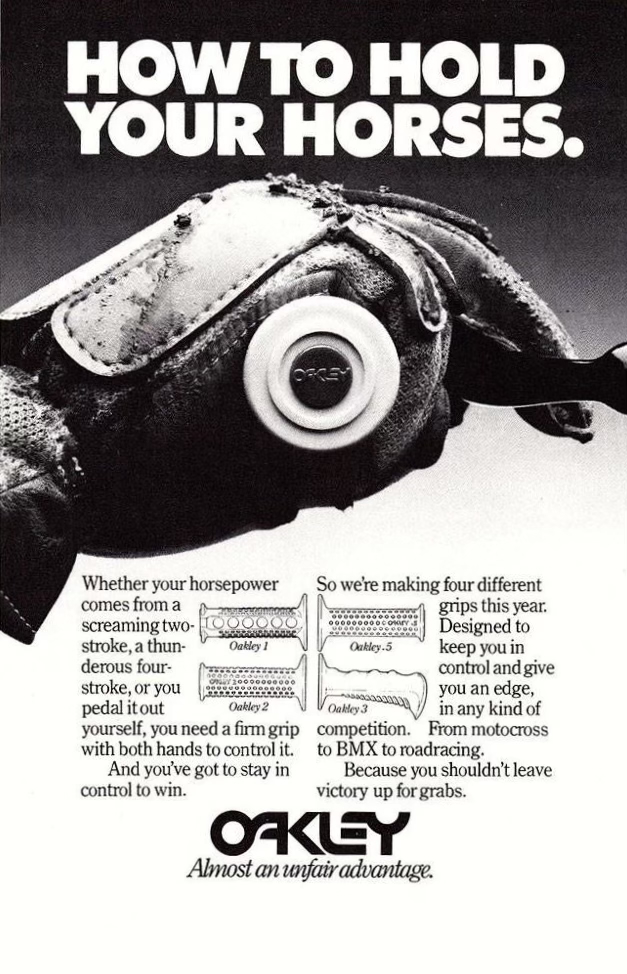
The story of Oakley begins in a small garage in Southern California, not far from today’s headquarter in Foothill Ranch. Jim Jannard, founder and dog owner, was selling bike grips from his car at motocross events when he decided to found Oakley. With just 300$ to start with, he set up the brand, named it after his dog, and made a handlebar grip unlike any other available at the time.
In the 70s, handlebar grips were mainly made of hard plastic. In muddy conditions or when landing after a jump, those grips weren’t ideal. There was no cushioning and simply not enough grip.
So, Jannard developed a hard rubber compound, Unobtanium, which would prove to not only be grippier, but also allowed the grips to stick much tighter to the bar. The Oakley F-1 were born and, with the rise of BMX, the F-1s quickly became the grip that set the standards.
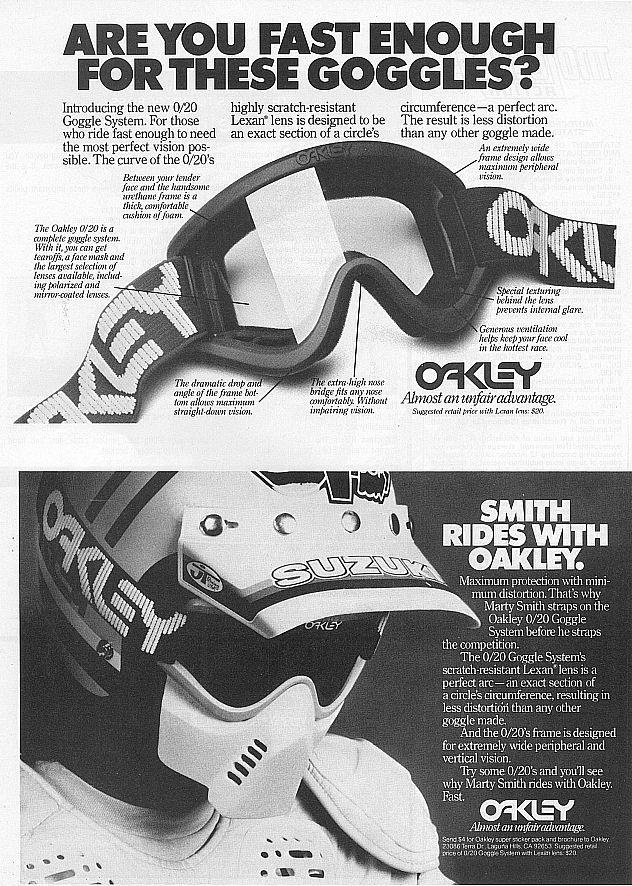
When Jannard moved to goggles in 1980, his first motocross goggle called O-Frame had flopped. He did choose to use a high-impact plastic that was stronger than that of competitors, but his goggles lacked ventilation. They would fog up and the riders could no longer see properly.
Still, Oakley received immense recognition due to the prominent placement of the bold Oakley logo on the strap, leading to the release the first O-Frame skiing goggles in 1983.
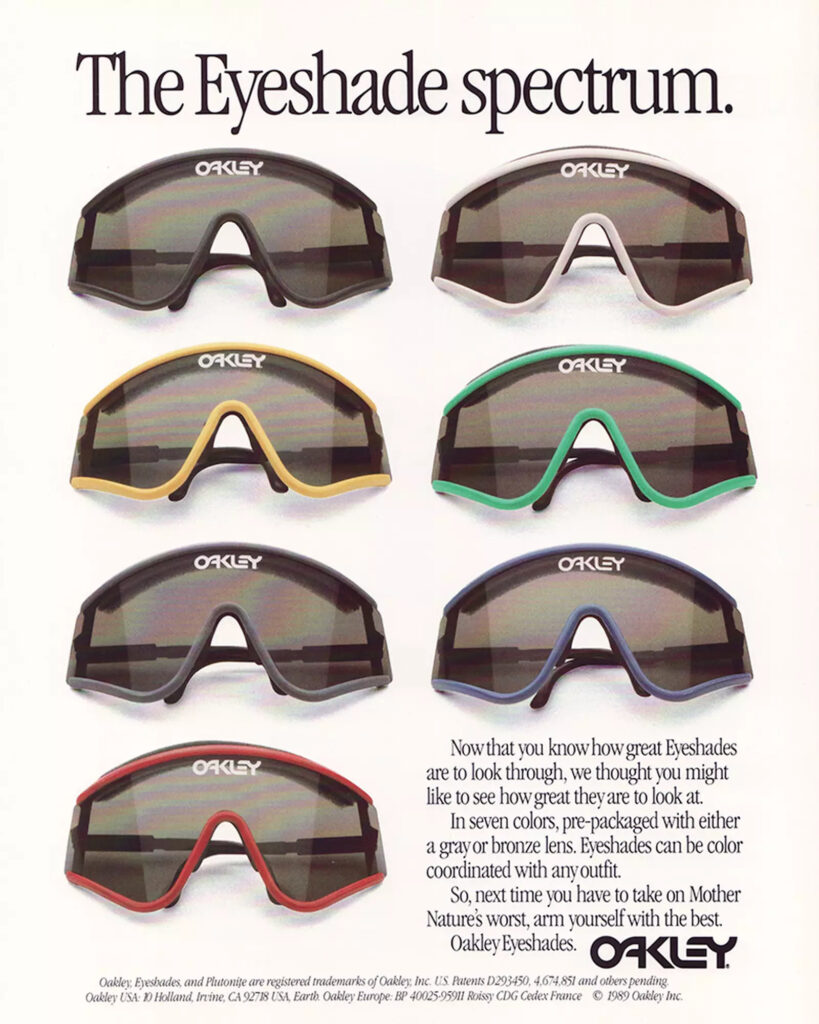
With the launch of their first sunglasses in 1984, the Oakley Factory Pilot Eyeshades, Oakley established themselves as a sportswear-brand. Jannard’s idea to put the goggle frame onto sunglasses legs turned out to be brilliant.
Being marketed to sports fans and athletes alike, Oakley caught the attention of a wider audience.
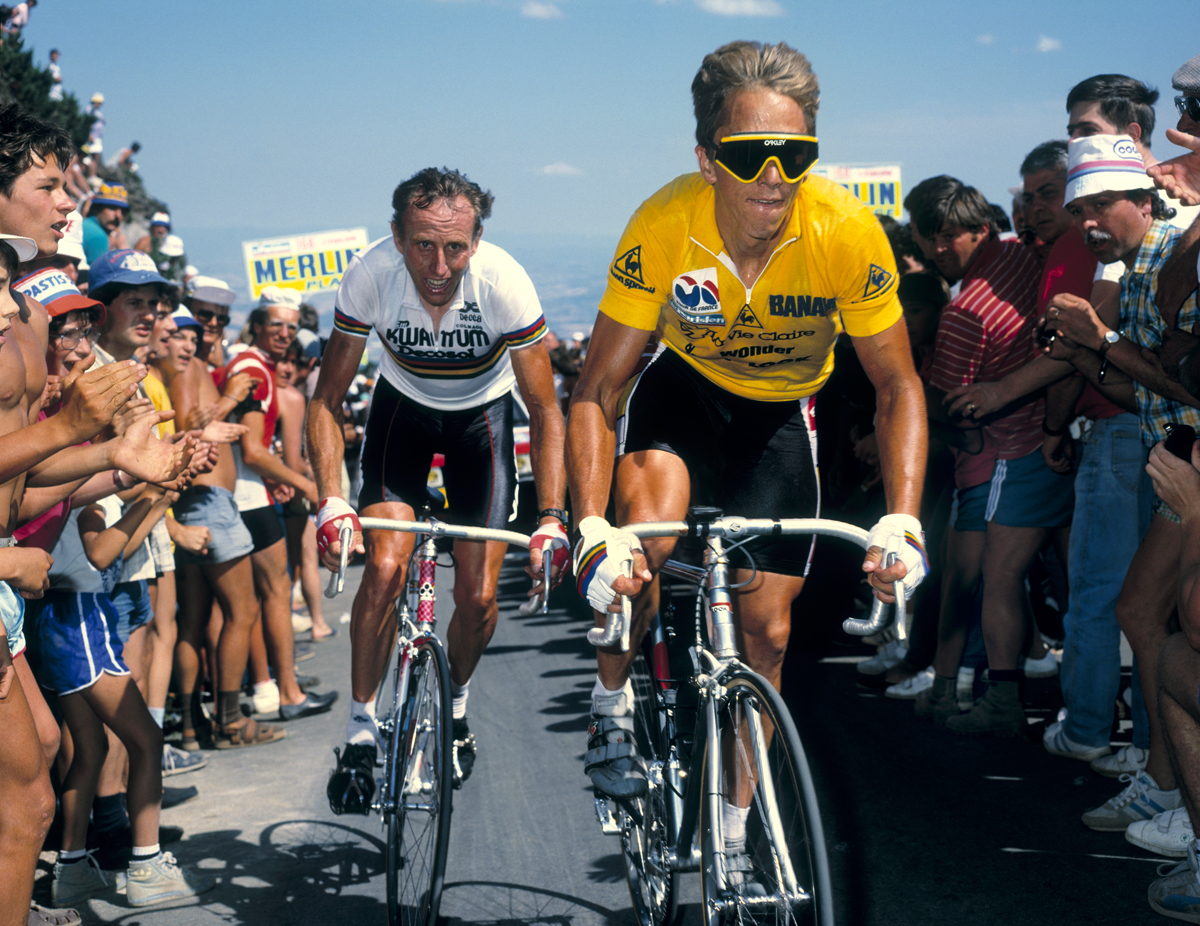
When Greg LeMond, an American cyclist, rode to victory with his Oakleys at the 1986 Tour de France, the brand finally had their breakthrough moment.
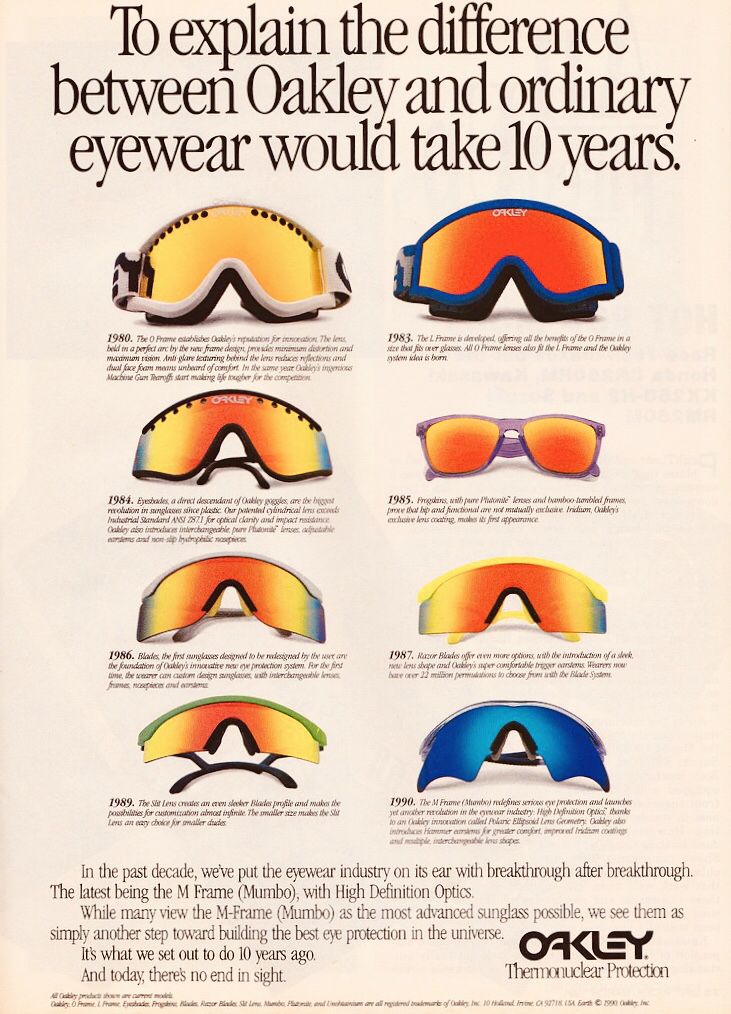
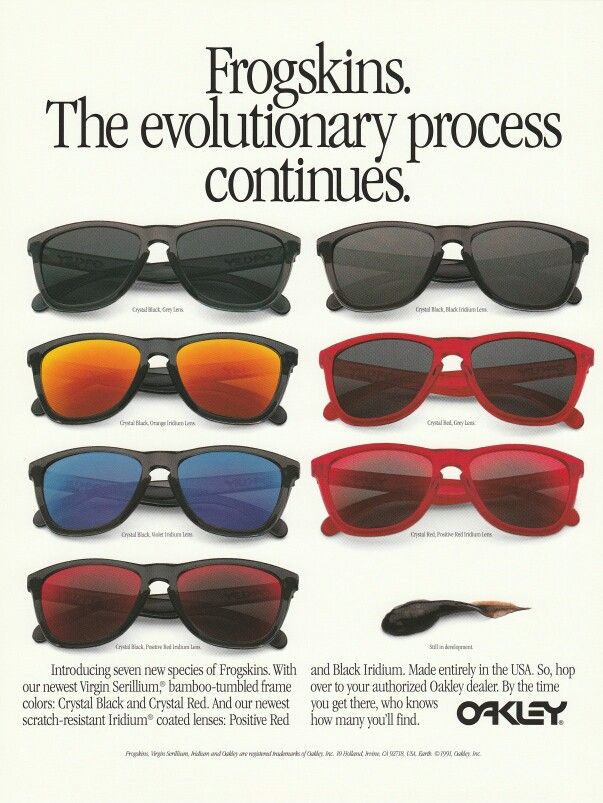
Oakley’s first lifestyle sunglasses, the made in Japan Oakley Frogskins, were released in 1985.
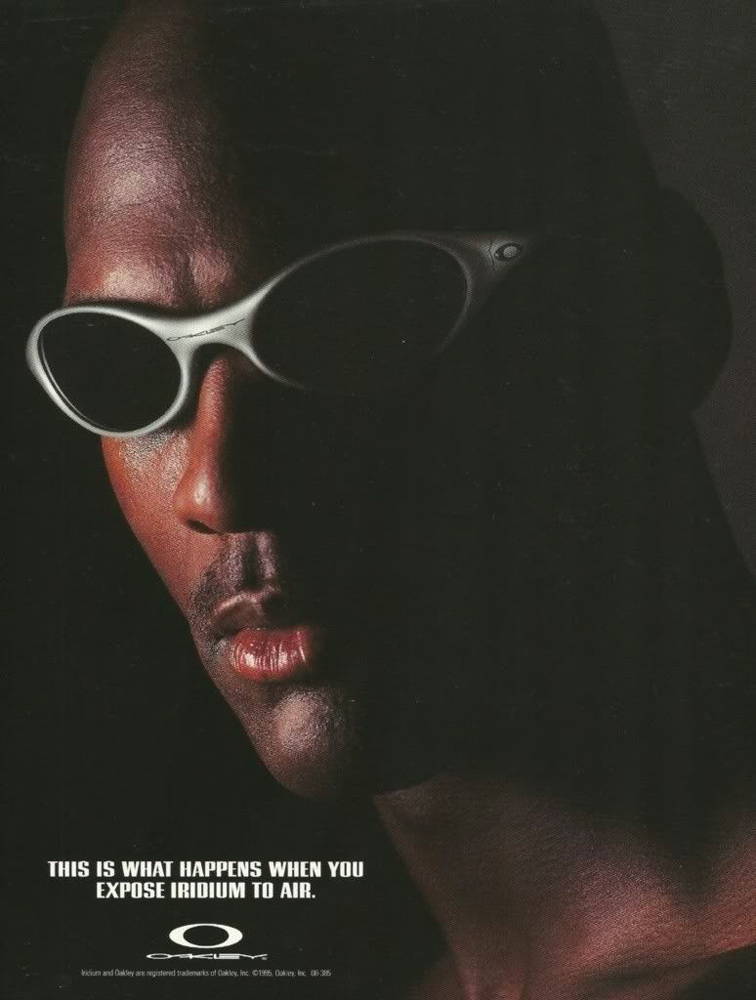
When Oakley hired Michael Jordan in 1994, during his two year break from the NBA, the final move to establish Oakley as a lifestyle brand was complete. For the campaign of their Eye Jacket, Oakley avoided to give tech specs on the printed ads. The sunglasses were no longer soled as being technically advanced, even though they were, but were marketed as the new lifestyle sunglasses.
Nonetheless, Oakley always has focussed on highly technological lenses for maximum performance, offering various lenses for specific use-cases.
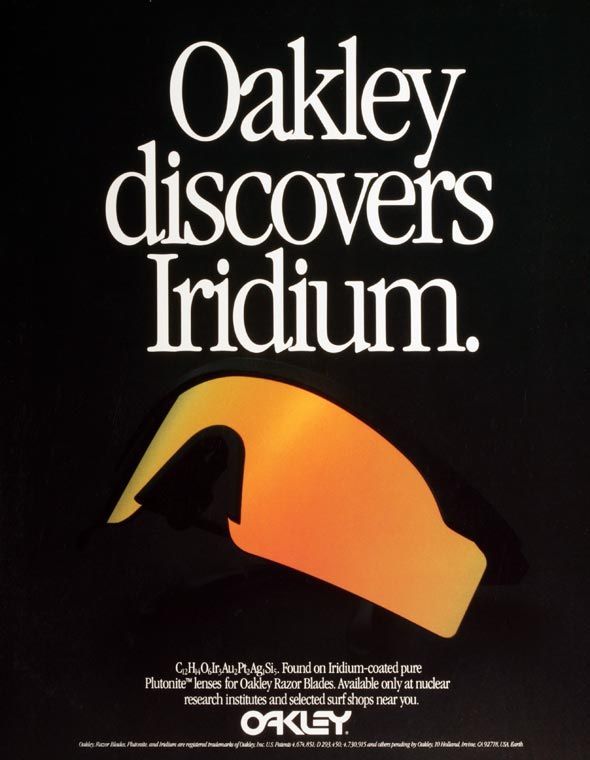
Their Prizm lens is designed to enhance contrast and colour by highlighting specific wavelengths of colour vision to ensure a more detailed vision. Different lenses, from Prizm Trail to Prizm Everyday or Prizm Gaming to Prizm Snow ensure that every user can have the perfect vision for the intended use. An additional Iridium anti-glare coating helps to balance light reflection, transmission, and absorption while coming with a mirror effect and various tints.
Today, Oakley's visionary spirit can be seen in the design of their products as well as in their architecture. Their aim to develop innovation in technology and design that stays true to Oakley's rebellious DNA and disruptive spirit while honouring the principles of the brand's rich history will always be the core principle in creating their own future.