
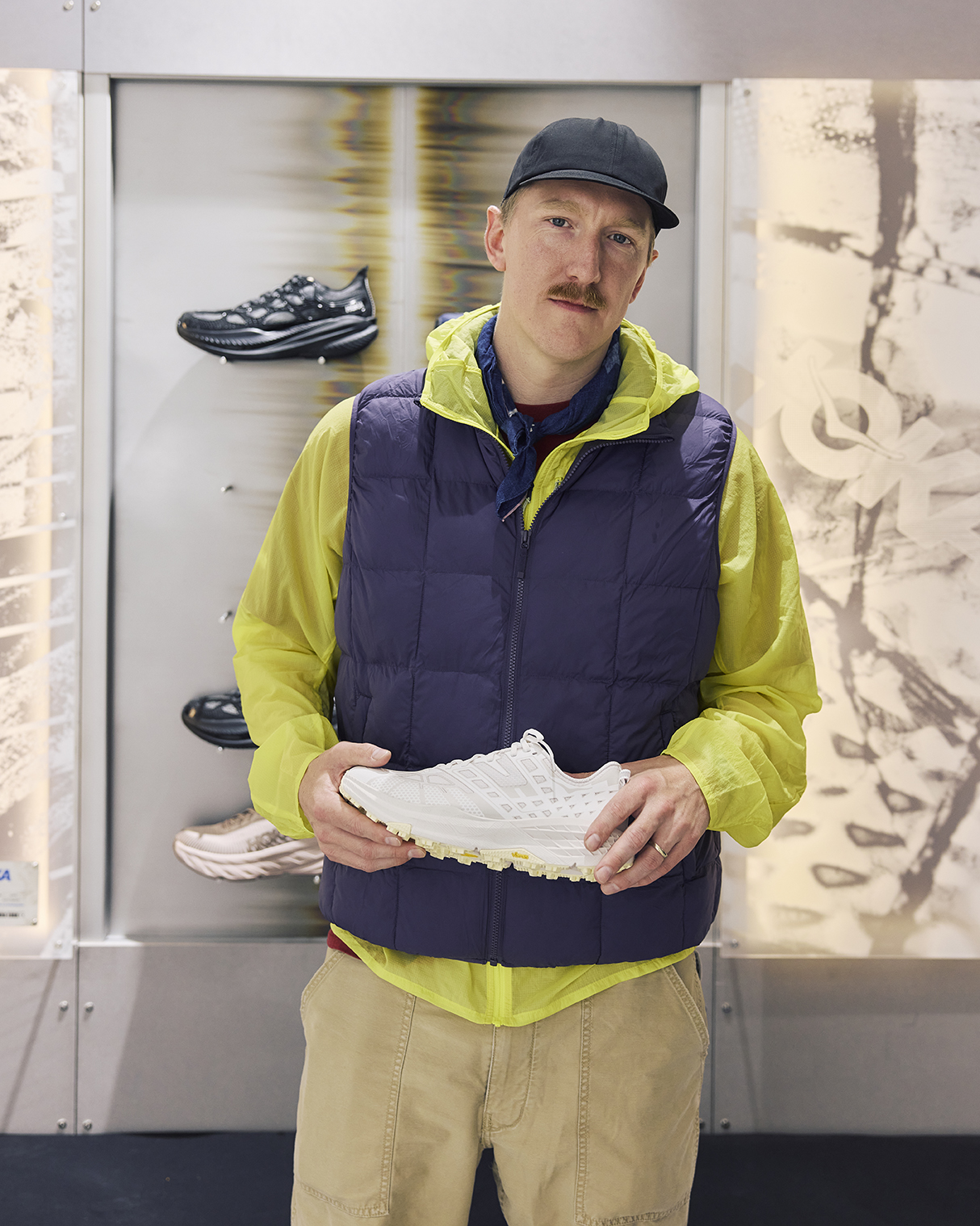
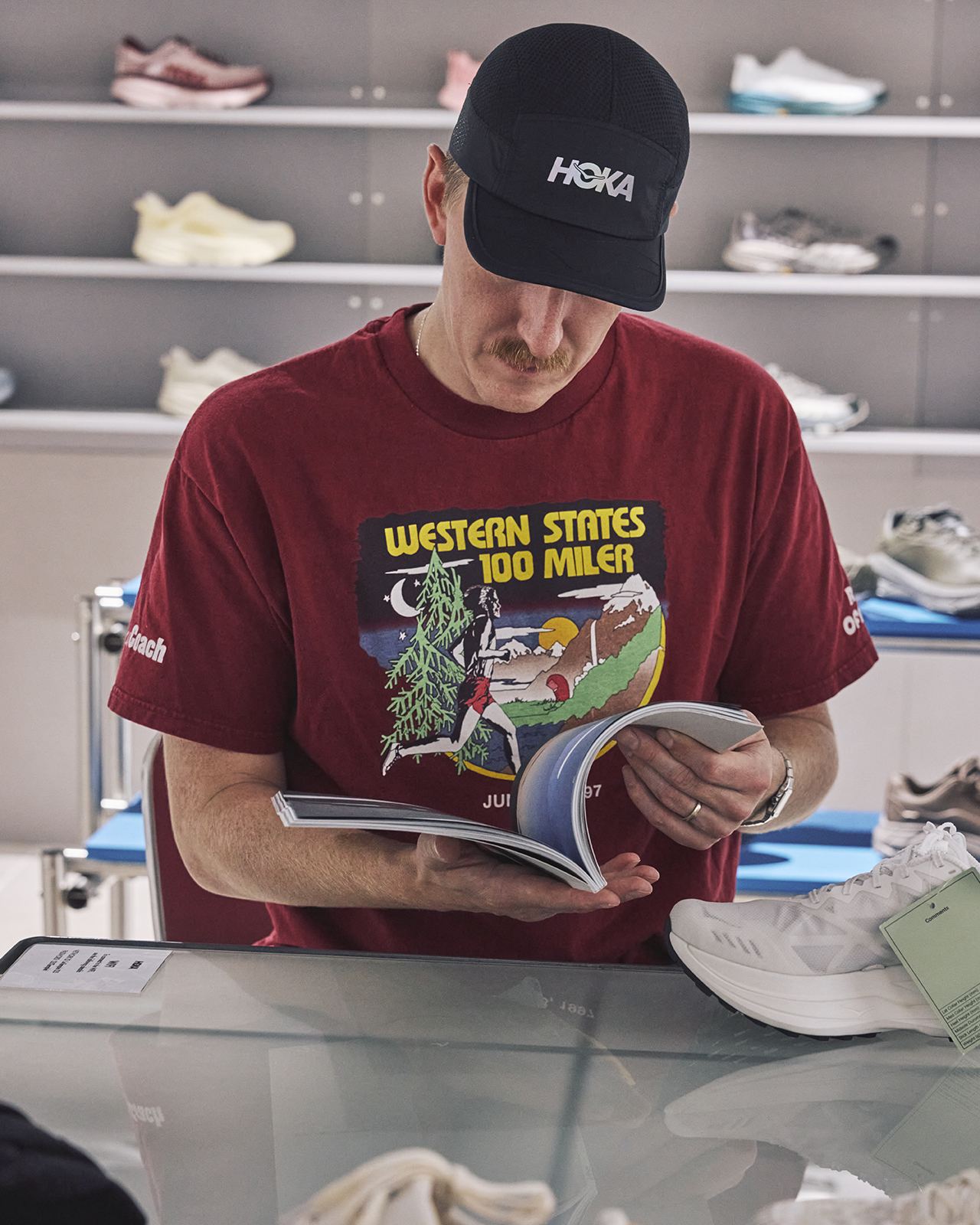
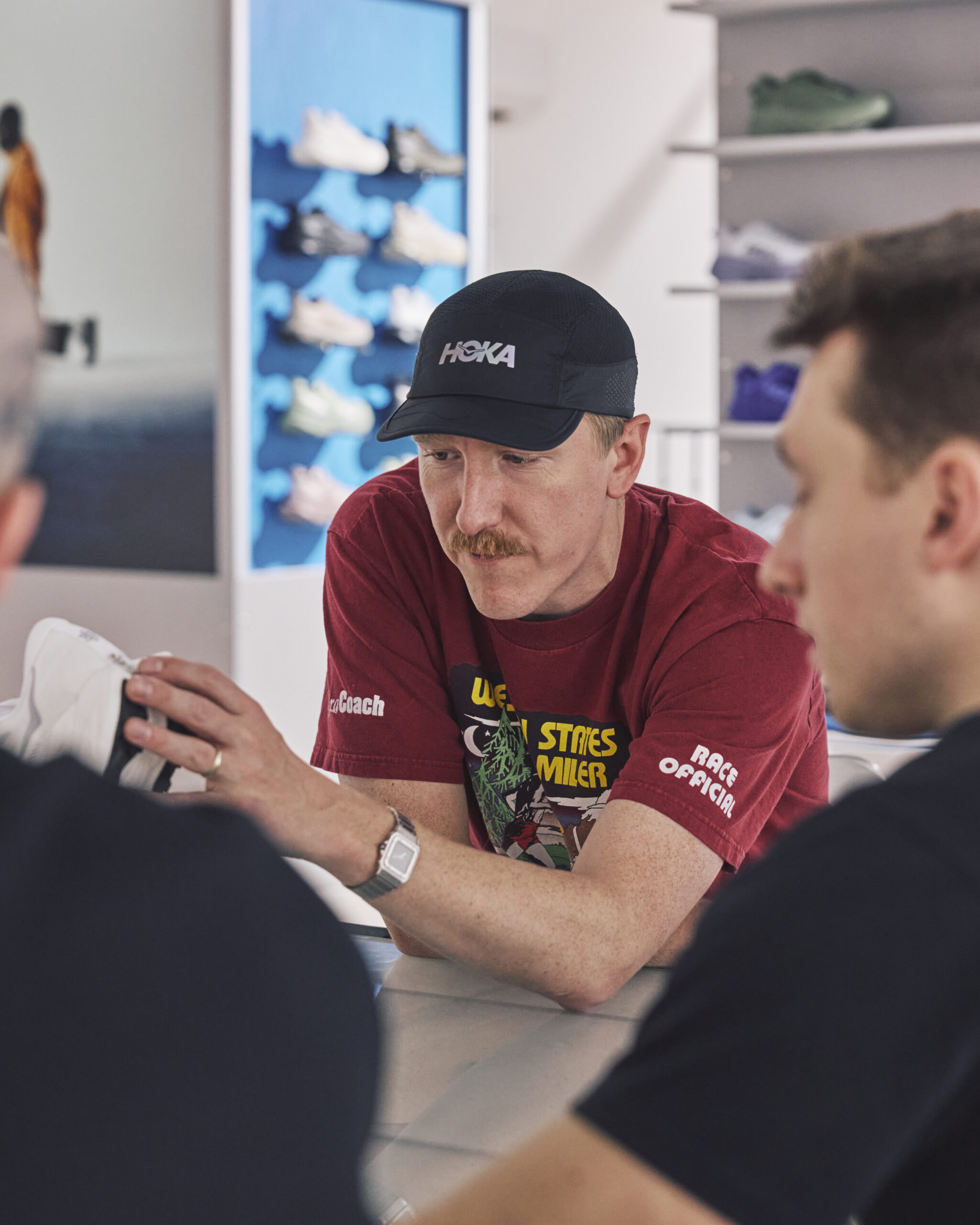
Thomas Cykana is the Senior Director of Collaborations and Partnerships at HOKA. In his role, he works with designers, brands, and creators from all of the world to welcome them into the HOKA-verse. Together, they create new spaces that are only possible through the symbiosis of their expertise. Before his role at HOKA, Thomas has lead Special Projects at Kith.
APR MAG first met Thomas in Paris, where the conversation around his work, the human aspects that make a successful collaboration, and why HOKA is aiming for abundance rather than scarcity, has started.
APR MAG:
Hey Thomas, what is the power of a collaboration?
Thomas Cykana:
The true power of collaboration is range. Being able to step out into a world where brands are no longer typecast into one particular role or character, but instead have a really vivid and diverse way of showing up in the consumers’ closets. I think a lot about John C. Reilly, an actor who plays a bad boy in Gangs of New York and then also plays Steve Brule for Tim and Eric. I really want to make sure that every partnership we create takes us somewhere we couldn't go alone. Partners that can help unlock doors, bring us in and serve as a chaperone or sherpa into those new spaces. And most importantly, open up doors into places that we know HOKA can be credible and valid so that we don't need that partner necessarily to stick around. It's spaces that we see an interest in or are kind of ripe for adoption for our brand. That's really what the power of collaboration is: providing credibility, validity, and really stretching that range I mentioned before.
APR MAG:
You already mentioned, how you approach collaborations in a way but what would you say makes a collaboration successful?
Thomas:
Totally trust. It's 100% rooted in being able to know that the person on the other side of the table has your best interest at heart, and that it's reciprocated and mutual in that we have their best interests and heart as well. Finding the right pathway, finding the right progression for our projects is really instrumental to making sure that both partners are achieving objectives that we need to achieve together.
APR MAG:
Mentioning trust seems like something that’s outside the success factors you just mentioned. It’s very humane, as if there's a lot of humanity that goes into these projects?
Thomas:
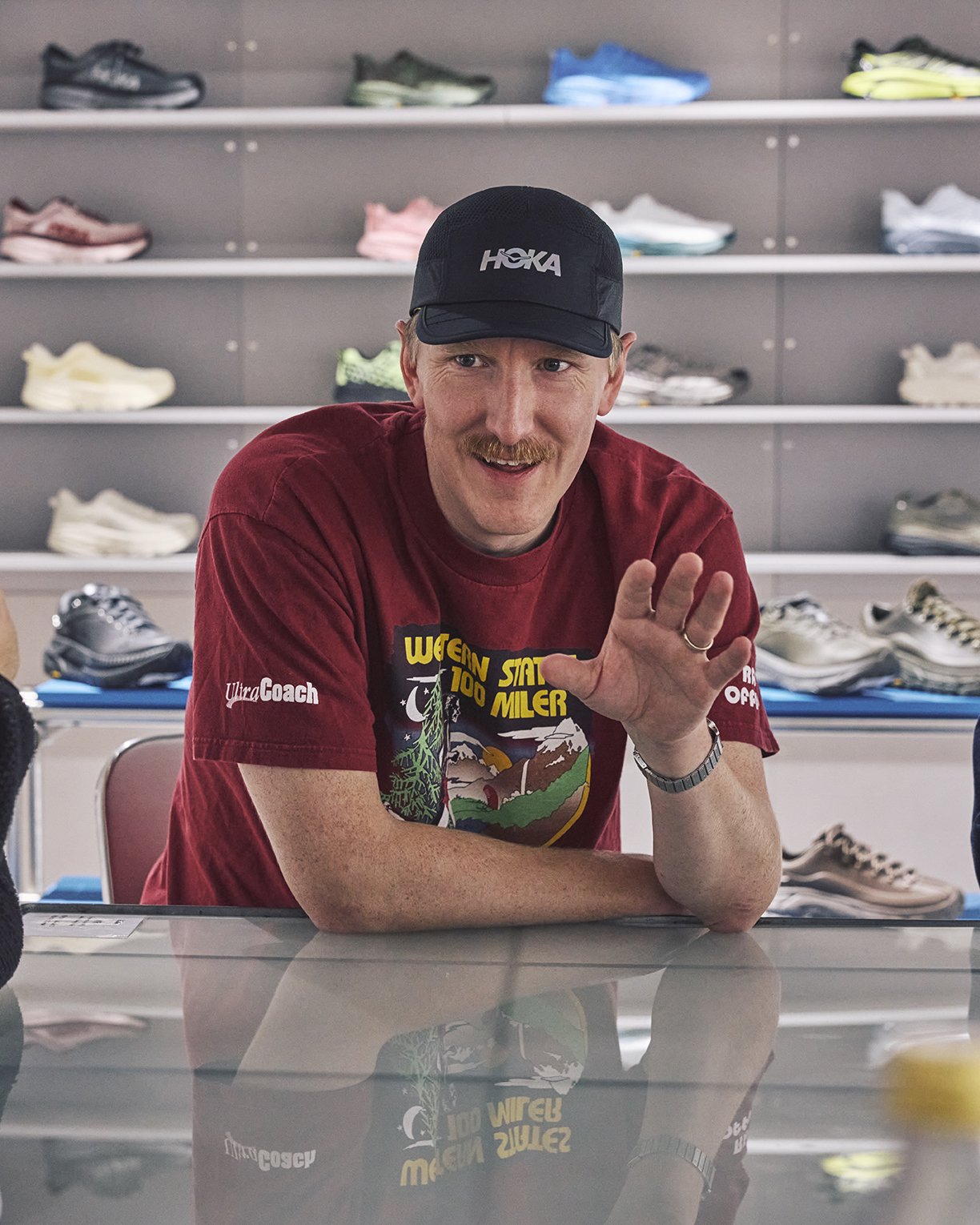
Yeah, I think that's very spot on. We don't necessarily show all of these interactions. Of course, when it's the brands coming together and engaging in conversation, but at the end of the day, it’s the people that make these products, campaigns, and releases really worth it. I really cherish the personal relationships that we make along the way, and I know that that's what the consumer ultimately gravitates towards, even if it isn't on the front end. I think there's a reality today where collaborations are so frequent and often forced that the spirit and the real purity of an idea really loses its ability to speak to the audience. That's something that we really want to keep intact, and my team really champions the notion of protecting that original idea so that through the phases between product creation, our merchandising and distribution planning, and our go to market campaign rollout, that first idea is oftentimes the best idea, and we really want to preserve it so that it is felt by the time the shoes come out.

APR MAG:
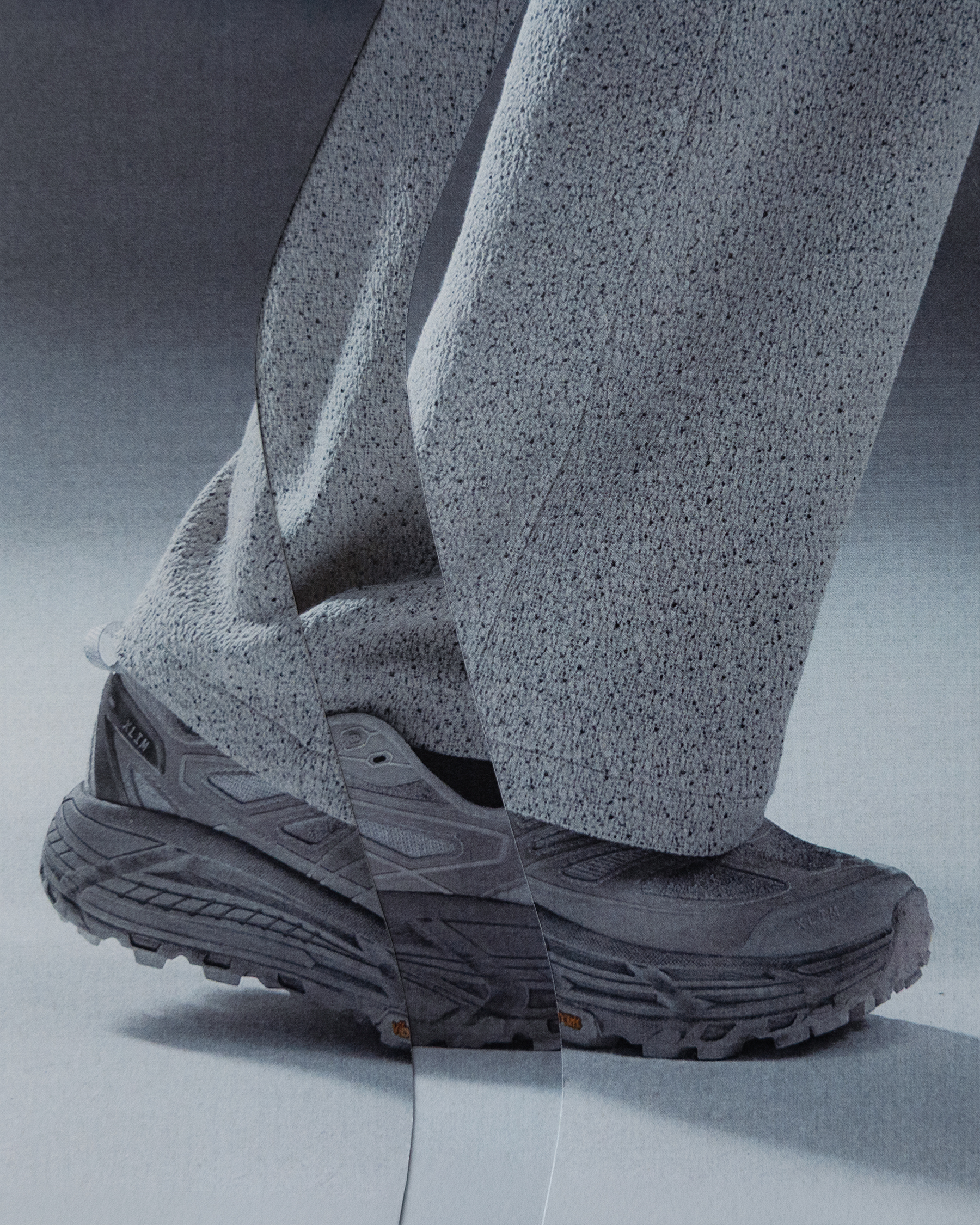
I remember two years ago or something, when the Stinson OG came out again, and I saw Daniel from HAVEN in them all the time. When they mentioned to me last year that you’d be working on a collab, I immediately guessed it's a Stinson. And he's like, how do you know? It was really cool to see that they actually got to work on exactly the shoe they wanted to. It’s so honest.
Thomas:
It's real. It’s real to those individuals and if it's real it contains emotion. At the genesis, I know that emotion is going to be felt and people will care about it for a lot longer, the shoe will really become a staple in people's closet. I think that there is a sense that we need to find. These pure stories really lift them up because I think that that's what the local brand has been able to do in such a real way with a human first approach. Daniel and Arthur are a perfect example of that.

APR MAG:
The range of partners you work with is very broad, from run crews to renowned fashion brands such as Marni. How do you find these connections and how do you know whether someone is the right partner?
Thomas:
I think it comes down to that creative alignment and having a vision that can be shared. There are many brands out in the world these days. We sometimes joke how many brands exist and the number is infinity, right? For us, when we look at finding partners, trust is really that critical piece. But I also think, as I mentioned before, finding labels and designers that we can build equity with over time is really important as well. Seeing the places that we've been and looking to the future to see what the next chapter for each of our labels that we partner with is. I think that that's what really encourages me from a creative standpoint, to be able to build that alignment and know that we're pointing in that same direction.
APR MAG:
So a lot of it is built on trust, on seeing the trajectory of a certain brand and you wanting to be part of that. The trust goes both ways.
Thomas:
100%. And I think for us, we're constantly having conversations with prospective partners, searching for what that ideal product and story can attach to become. Not every partnership pans out the way that we want it to, right? It's not perfect every single time. But again, if we are open and honest and forthright of how and where we want to go and where our partners are headed, it sets everyone up for success. It’s about a shared vision and direction.
APR MAG:
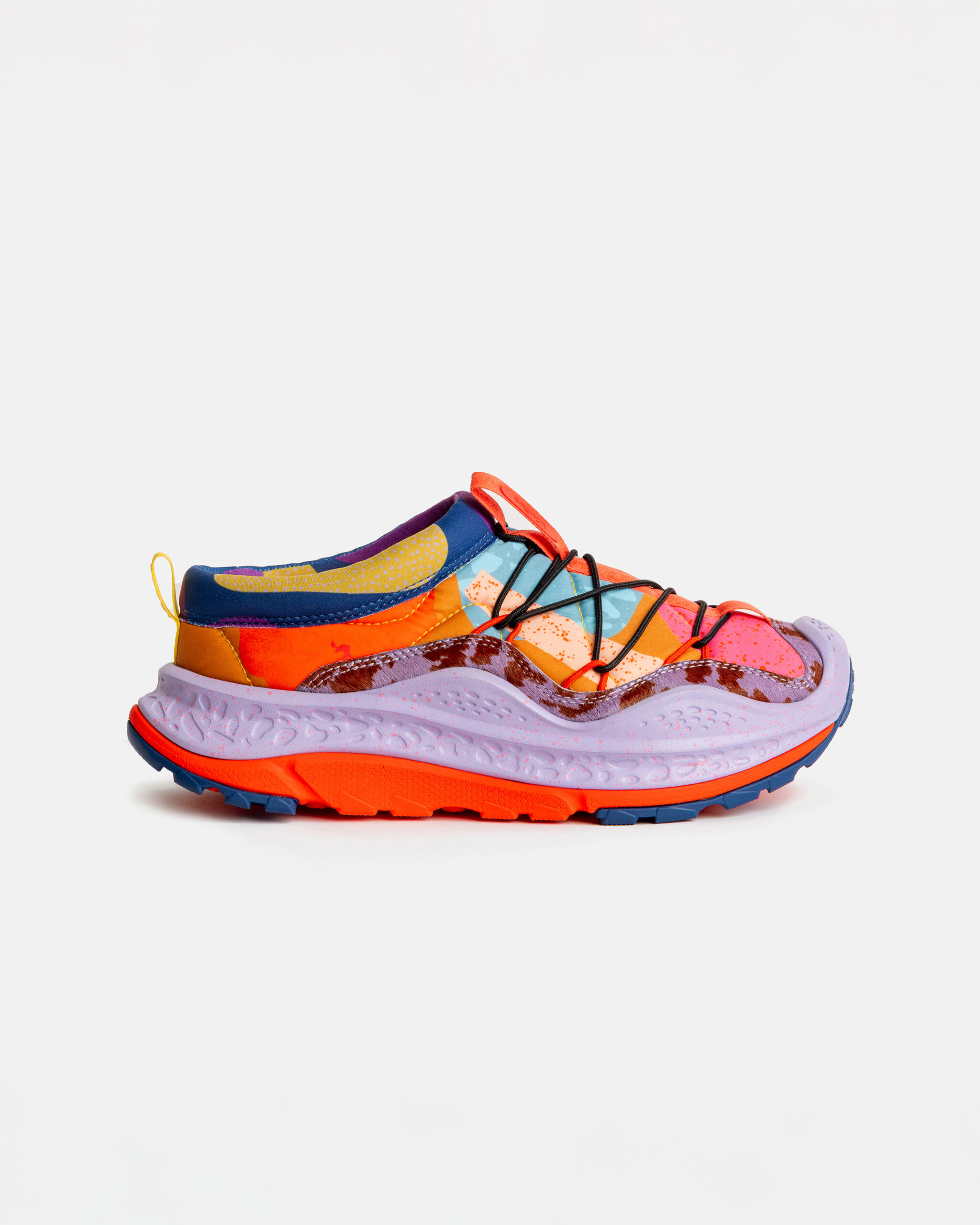
How does a collaboration with a smaller, community-focused brand like Unna differ from a powerhouse like Marni?
Thomas:
It’s not just between Unna and Marni, but between every single relationship that we build. It's it's unique, it's bespoke, and it's personal. I would say that we look to be really adaptive to be able to make the most of every engagement and really be flexible to the needs and the wants of our partners. I think that's a bit of a lost art in the world of not just collaborations but all over is people are not great at listening. I really encourage our team to step into every conversation with an open heart and an open mind. Because where we think we might be headed when the meeting starts could very well be a total opposite place to when the meeting concludes. I think that the power of great collaborations is having an open heart towards what comes. If you have a fixed mind state, if you’re rooted or cemented into your belief systems, then collaborations aren't going to do much for you. You're going to probably not allow yourself to really make the most out of that engagement. This is another really important foundational component of how myself and the team really approach the opportunity with every partner we face.
APR MAG:
It's so interesting to hear that because most of the time when you talk to people, especially in your position, it turns quickly into marketing slang, very official. But everything you've touched on are really important human trades and I would say that really shows itself in the outcome of the projects.
Thomas:
I really appreciate that. I think that that's where we want to set ourselves apart. And, and yes, of course, there will be elements of a formula and our strategy needs to fit into the partnership. But if that's what we lead with, then I know we are stepping in a direction that feels much more self-serving than collaborative. And again, I think that that's where a lot of organizations and brands have overindexed on using collabs to serve their strategy. We know that HOKA has a clear direction in terms of running outdoor performance routes. The authenticity that that brings to the table enables us to keep our point of view, maintain a strong perspective, and then welcome partners into our world in a way that expands the marketplace and the experience. That is the other side our team thinks a lot about. What are the sensory ways in which this campaign and this story can come to life? Of course, there's beautiful visuals. Of course there's amazing retail experiences, but I really want to drive every collaboration we build to create its own world so that it feels rich, romantic and special. That’s what’s making sure that our projects are building up towards a bigger idea. That’s what we're really pushing our partners to help deliver so that we can up the ante in terms of the consumer expectations and how they feel immersed in it when it comes to life.
APR MAG:
You’ve now mentioned all the positive aspects of collaborating. Is there also any risk attached to starting a new project and if yes, how do you manage that?
Thomas:
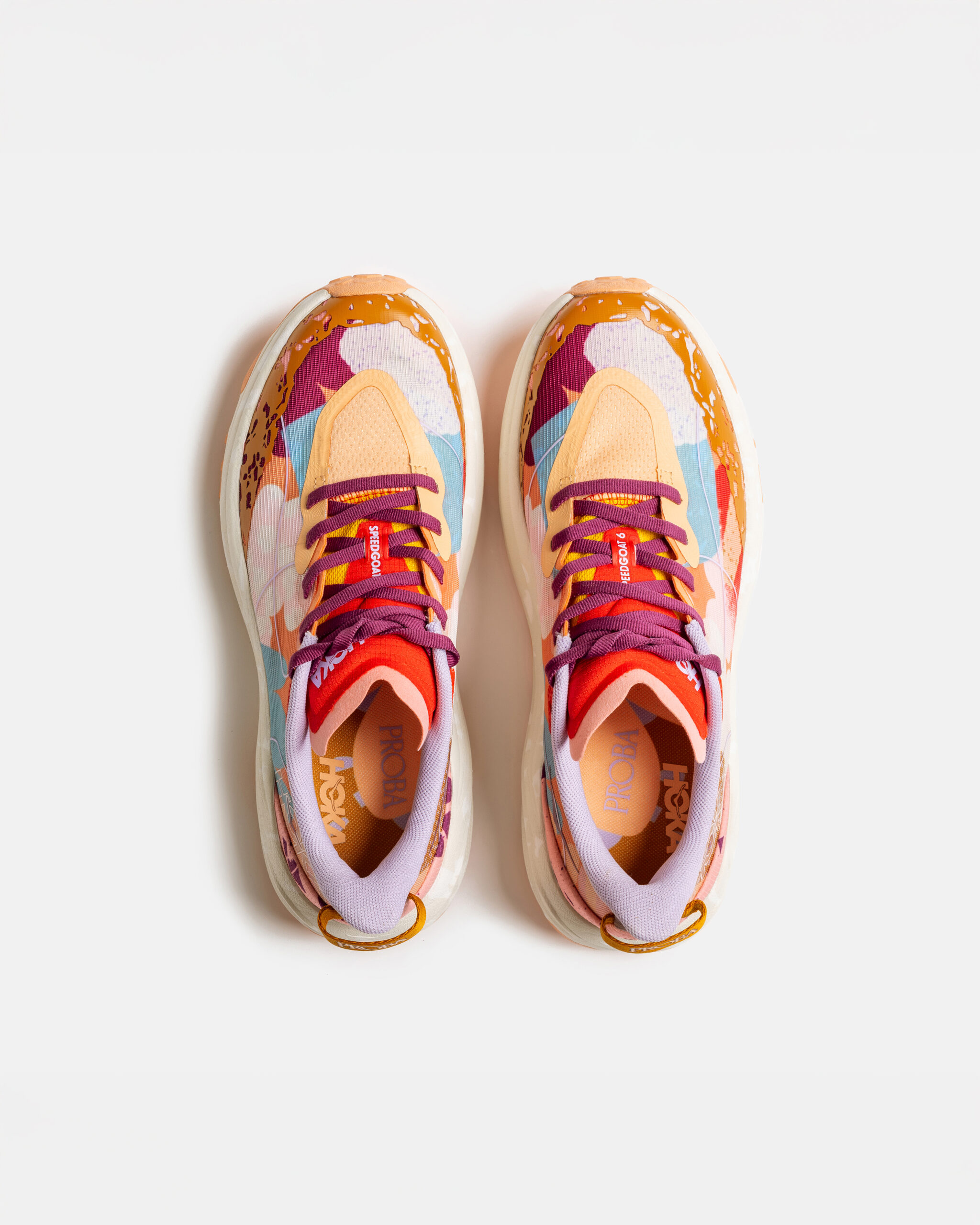
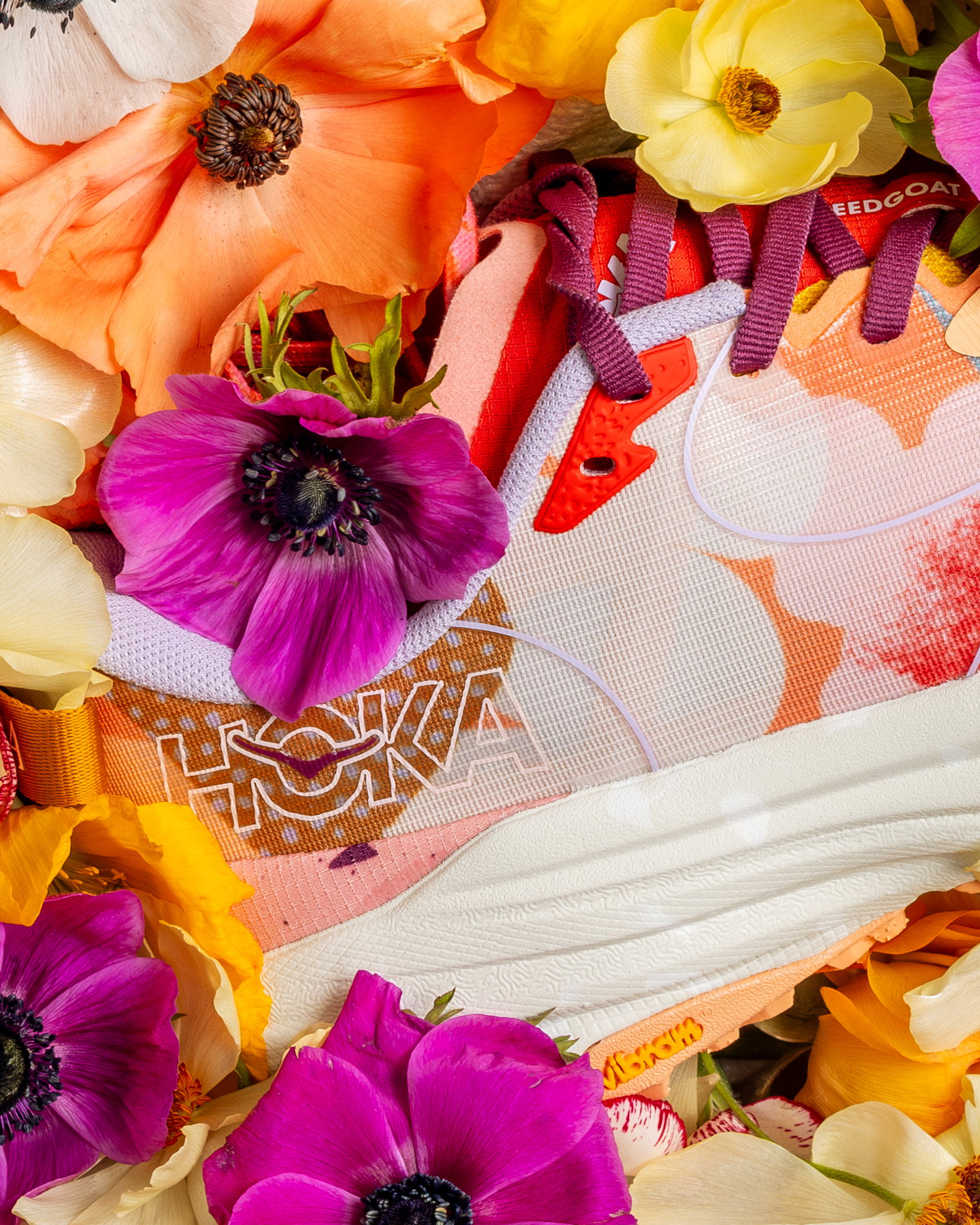
Yeah. I think the reality is that there is a certain degree of compromise you make in every partnership in order to open up your world and invite people in to help push it forward. Sometimes, there isn't the alignment that you're searching for. A lot of projects will easily become the victim of a thousand paper cuts. That's the watch out for our team to make sure that we aren't making what seems like a small compromise today, but then stacks up to be a series of compromises over the course of time. We need to make sure that this really pure idea that we began with doesn’t loose its integrity, its spirit. I think that there's a litany of examples in the marketplace where you can almost sense that these projects went through all those phases and made small compromises as it went along. For us, it's about being able to flag those and not be shy to say, hey, this doesn't feel like it serves the original intent for why we're here. Let's go make sure we're making every decision to really ladder up and be uncompromising in that shared vision that I've been talking about.
APR MAG:
So you’re truly guiding your partner through this process and make sure the idea stays where it was. Shepherding, basically.
Thomas:
That's exactly right. And I think that it's certainly not easy because we do have our own objectives. Every team is looking to ensure that their own KPIs can be applied to the project. Making sure that we do have a deeper understanding for the project teams, knowing which peak we're looking to summit. Oftentimes it's easy to go off course or to suggest an alternative route. Sticking to that path and really being committed and uncompromising is a massive part of where good projects turn into great ones.
APR MAG:
Staying on the same path and sticking to that idea probably also means you’ll have hard conversations with your partners and turn down ideas, right? Especially thinking of HOKA as a brand that is rooted in performance.
Thomas:
Yeah. I think the product integrity and what really stands for surrounding underfoot sensation, making sure that every single product is truly worth the HOKA badge is something that our partnerships want to continue to champion. It’s really critical to the first impression that we're delivering to new consumers. As you mentioned, a lot of people purchasing our collaborations and picking them up are first time HOKA wearers and so making sure we're overdelivering on that is a core value. It does make for a strenuous and really rigorous product development process to ensure that we don't cut any corners and we over deliver on that commitment. The GoreTex upper within the Haven Stinson for example, was a development that was quite a lift for our factories and sample rooms to make sure that the GoreTex, the gusseting, and the underfoot sensation of that shoe really stood up and and delivered on that promise.
What we consistently see is adding creativity and really changing the shape in the form of HOKA products starts to evolve the way that HOKA products can come to life. We're really excited to push that norm and bring partners in who can develop new shapes and new looks to our brand, but we're going to always stand on the fact that product is king and we have to deliver the most utility first, even performance first goods in order to really be a HOKA shoe. It's a very delicate balance between form and function. That functional component really is the backbone of our brand and why we're here today.
APR MAG:
When we look at the Bondi Mary Jane, I remember when the shoes came out, I was immediately thinking that HOKA is really pushing the boundary of what a Bondi could be and it was amazing to see that. What are your plans for custom shapes in the near future?
Thomas:
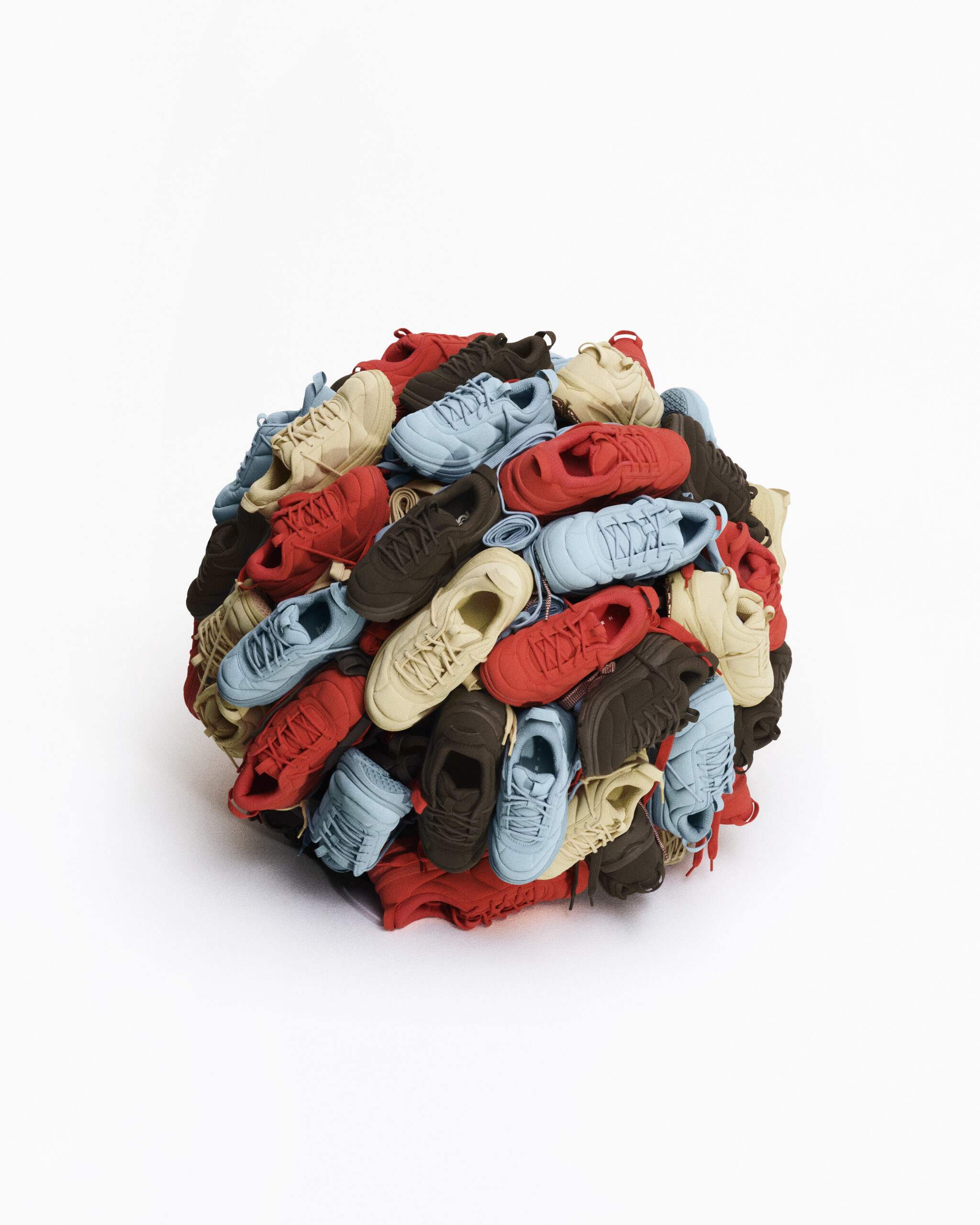
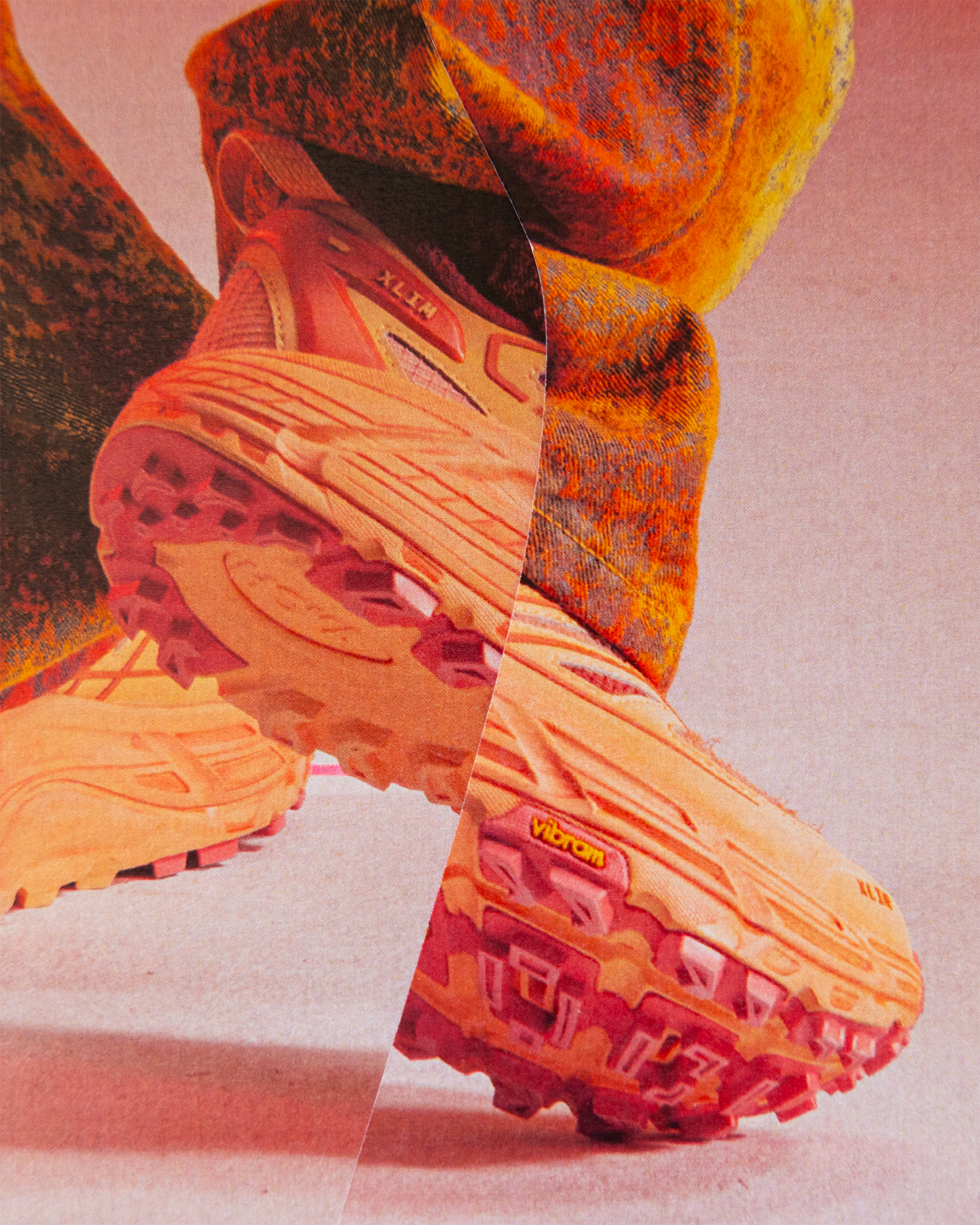
We're going to continue to really push the way that Bondi, Clifton, Speedgoat and Mafate come to life. We've really only scratched the surface in terms of how those form factors can evolve over time. The Bondi B3 LLS with Marni is a great example of us pushing to the most exaggerated, most radical and really dramatic spaces that we believe we can thrive in. I'm so eager to have more products like that enter the collaboration ecosystem as well as flourish within the lifestyle category as we continue to reference running and outdoor from many eras beyond just the ones that HOKA has really succeeded and thrived in thus far.
APR MAG:
Is there a certain project that excites you the most?
Thomas:
I think that there's an inflection point in footwear. We've all seen the sneaker loafer trend pop off and know that it's a moment in time in which the way sneakers, brown shoes and boots, running footwear and outdoor technical alpine shoes are all merging into this one really creative and exciting space. That's what really drives our team towards exploring and pushing the envelope. We know that we have a core backbone of performance. The reputation that we've built over time. But we've got an opportunity now as the market has expanded and we've seen these new shapes and looks step in to be able to really have fun and create this space that is fresh, new, and really redefines how sneakers, brown shoes, and boots are going to be worn for the next ten, 20, or 30 years. The road is wide open and has the chance to really set the tempo and take ownership of what the future of shoes can be.
APR MAG:
What’s interesting to us at APR MAG is the availability of HOKA collaborations. We believe that good product should be for anyone but we see that a lot of brands make their collaborations only scarcely accessible. Is it a conscious decision that HOKA’s collaborations can be bought on the HOKA webshop and in your stores?
Thomas:
That's a really good question and I think it's a critical part of our merchandising plan and strategy for collaborations and energy in general. You mentioned the scarcity model that so many brands have fabricated over the years in an effort to drive a sense of urgency towards purchasing. My career in collaborations has absolutely been about storytelling. The phrase that sticks with me the most is a true Ronnie-ism from my days at KITH, which is giving the customer more than what they paid for. I think that this mantra truly is embedded into our team’s ethos these days of giving more than we understand, that it's actually an abundance model, not a scarcity model that ends up meaning more to the consumer. It's not abundance in the sense of volume and access. It's more around making sure that we know whether it's at our partner's retail, at our retail, or select retailers around the world. Those are the points of access in which our consumers are able to really feel the story and romance that went into the partnership, so that it becomes more than a sneaker in their hands.
That's really why we've been able to partner with the best accounts in the world, sold our projects to those stores, and make sure that our sell through expectations and ability to get shoes on feet is perfectly calibrated to the partner or project so that we aren't fabricating or driving that scarcity model to a degree that feels forced or feels as if we're being dishonest to the consumer.
APR MAG:
Makes sense. It almost sounds like with all the work and effort you’re putting into these projects, with all the attention to your vision and the vision of your partners, it would be a waste to not make the product accessible.
Thomas:
Yeah. We really cherish every single one of our doors that helps support us. And whether it's END. clothing, HAVEN, 10 Corso Como, Slam Jam, or whomever, we have such important relationships with the buyers and the people at those doors. Making sure that we're putting the right product into that space becomes really vital over relationships and really servicing those doors with our collaborations so that they feel they have a segmental assortment that doesn't look just like every other location. HOKA is, again, a big part of where collaborations are only available in the best stores. The ones that we, along with our partners, feel can tell the story and deliver that more than sensation to the kid. We don't want to overserve, but finding the right amount is a is a delicate art and science balance of the two. We do use a lot of data to make sure that we're making informed decisions, but then we're also really looking at, again the marketplace as a whole. At what is the evolution of how consumers are shopping? I think that's a space that, candidly, hasn't been disrupted quite as much as the product or the marketing space. I'm eager to continue to really evolve and push our collaborations into more pop ups and more experiential retail, in addition to continuing to work with the best stores around the world.

APR MAG:
Okay, amazing. It's amazing to hear that your take on retail partners is basically the same as your collaboration partners. It’s a lot about empathy and seeing one another.
Thomas:
100%. I do think it's worth noting that we are not looking for collabs to be business drivers for our partners and retailers. It's really about finding something that can help amplify and extend HOKA on the wall and help take that permission, that new range and personality that the collaboration has delivered, and then inject it with products that can come into those doors later that season. By doing so, we want to demonstrate our commitment to those wholesale accounts. It's not about us, just like having an allocation and then having it disappear. It's about how we open the door and then start to continue to service those accounts with products like the Speed Loafer or the Bondi Mary Jane and how extend the HOKA-verse in that regard.
APR MAG:
Mentioning the HOKA-verse, what’s to come for HOKA in the future?
Thomas:
There's a couple big shifts at HOKA that I'm eager to see manifest in the world. One of them is apparel and really building more head to toe opportunities along with our partners. The other is turning our focus towards a group of consumers that maybe hadn't originally thought of HOKA as a brand that fits their closet. There's a very specific way in which HOKA has come through a performance trail running, road running, and outdoor lens that has been very modern and very contemporary. But as we open up the aperture towards what HOKA can look like in the future, there’s almost an unlimited space for us to explore and to create within. That's what really keeps myself and the team hungry and pushing the footwear space, style, fashion and performance all together, all at once, into this next wave. There’s a lot of exciting things we have in the pipeline and amazing partners that will help shepherd and bring that to life. It's a really exciting time.
APR MAG:
What’s the favorite part of your job?
Thomas:
That's a good one. You know, I may sound like a broken record, but it really is the people and the passion that individuals bring to the table, the way that we can share ideas and make each other better. That to me is the ultimate opportunity. Not just in work or in collaborations, but really in life. Being able to meet someone who may not share your perspective at first glance, but again, with an open heart and open mind, be able to shift the way you see the world. I'm really lucky to, on a daily basis, step into rooms with HOKA counterparts or external partners and really engage with some of the most creative, most inspiring, and really special people in this industry. That to me is the beauty of the work I do, and I feel very fortunate to be able to do it.
APR MAG: Thank you, Thomas.