
How hylo athletics is balancing maximum utility with the smallest impact.

When asked about their challenges, hylo athletics founder Michael Doughty says it’s dealing with himself. As a former professional footballer, conviction is in his DNA. It’s essential to survive in the football business. With his sporting background, Michael was convinced of knowing what a running shoe needed. He wanted to transfer his strengths of perseverance, energy, and believe into the business world and, in the beginning, it didn’t work. He wasn’t prepared enough, he says. Like wanting to run fast, but not having the legs for it.
Environmentalism and sustainability have been an essential part of Michael’s life from an early age. His mom, a rather understated person, is the hero here, food composting and recycling in the early nineties. Michael loved to be outside, he loved nature and sport. As a footballer though, mental stress and psychological pressure made him disconnect from the privilege of spending his working life outside. Only when he started watching nature documentaries, recognising their meditative aspect and their stress relieving effect, the connection re-established. He had found his coping strategy.

In a phone call with his friend and co-founder Jacob, the idea for hylo athletics arose. Jacob had just come back from a run in the sun and asked Michael, who at the time still was a footballer, very vocal about sustainability and environmentalism, for advice on new running shoes - Jacob’s were falling apart. But Michael couldn’t help, he says. The Patagonia of the mainstream sports category, the brand they were looking for, didn’t exist.
To create a running shoe, you start with the brief, the technical specifications for the feeling that you’re aiming for. For Michael, it’s like a game of Whac A Mole. As soon as you hit one problem down, another one comes up. If you aim for a softer feeling, the shoe becomes less durable. If you aim for more durability, the shoe will be so heavy that it probably doesn't sell.
The beauty and the pain of running shoes is that every foot is different - and hylo had to realise that they cannot solve everyone’s problems. They solve for the brief - and if the brief is good, Michael says, there’ll be an audience for the shoe. Hylo aims for a cushioned, daily mileage shoe that is responsive with a soft feel and a balanced geometry - smooth but not too soft, a neutral trainer with a stable sensation. In each phase of the development, the brief is validated by a biodynamics lab in Sweden. They test and review the sample objectively and provide data on cushioning, responsiveness and other core metrics. Also, they give specific feedback on the wear-tester's feeling.
Michael doesn’t even mention their aim to have the smallest impact possible - for hylo, a certified B-Corp*, it’s a given.
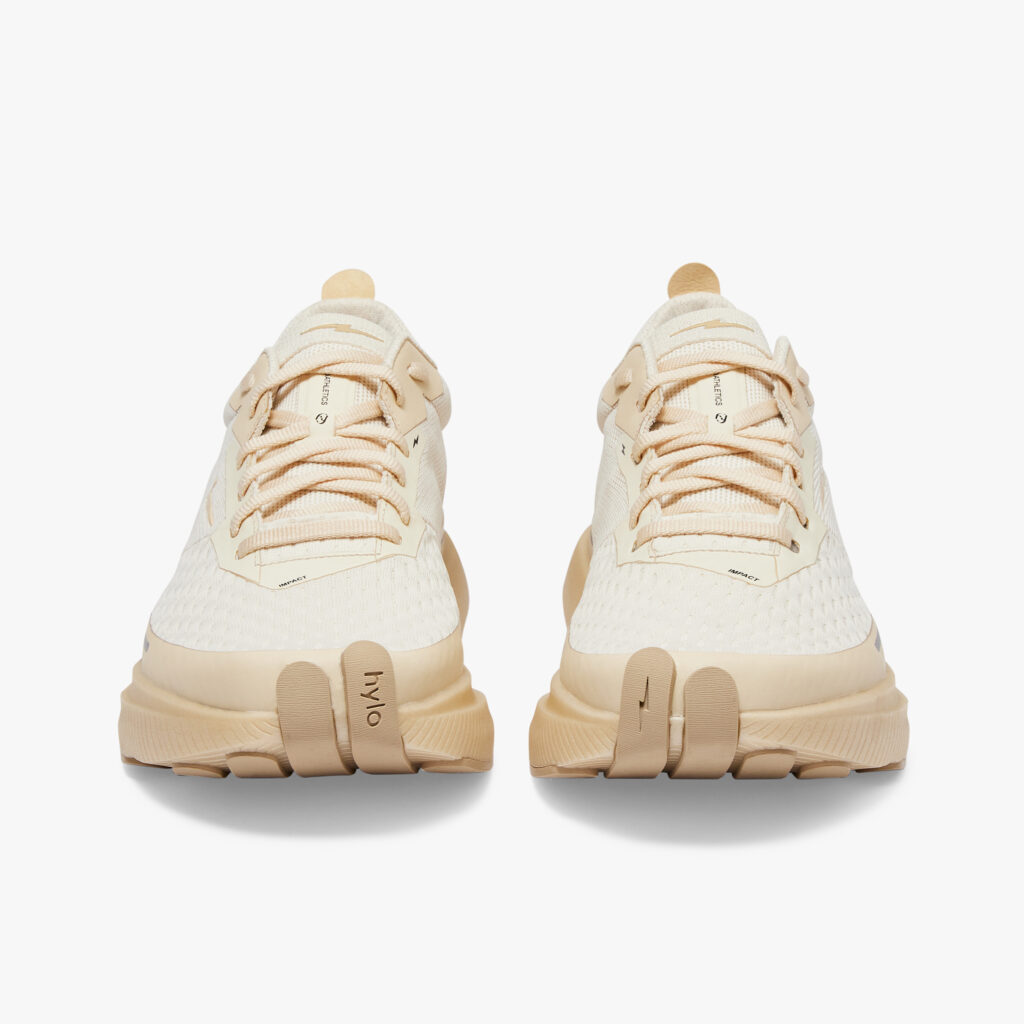
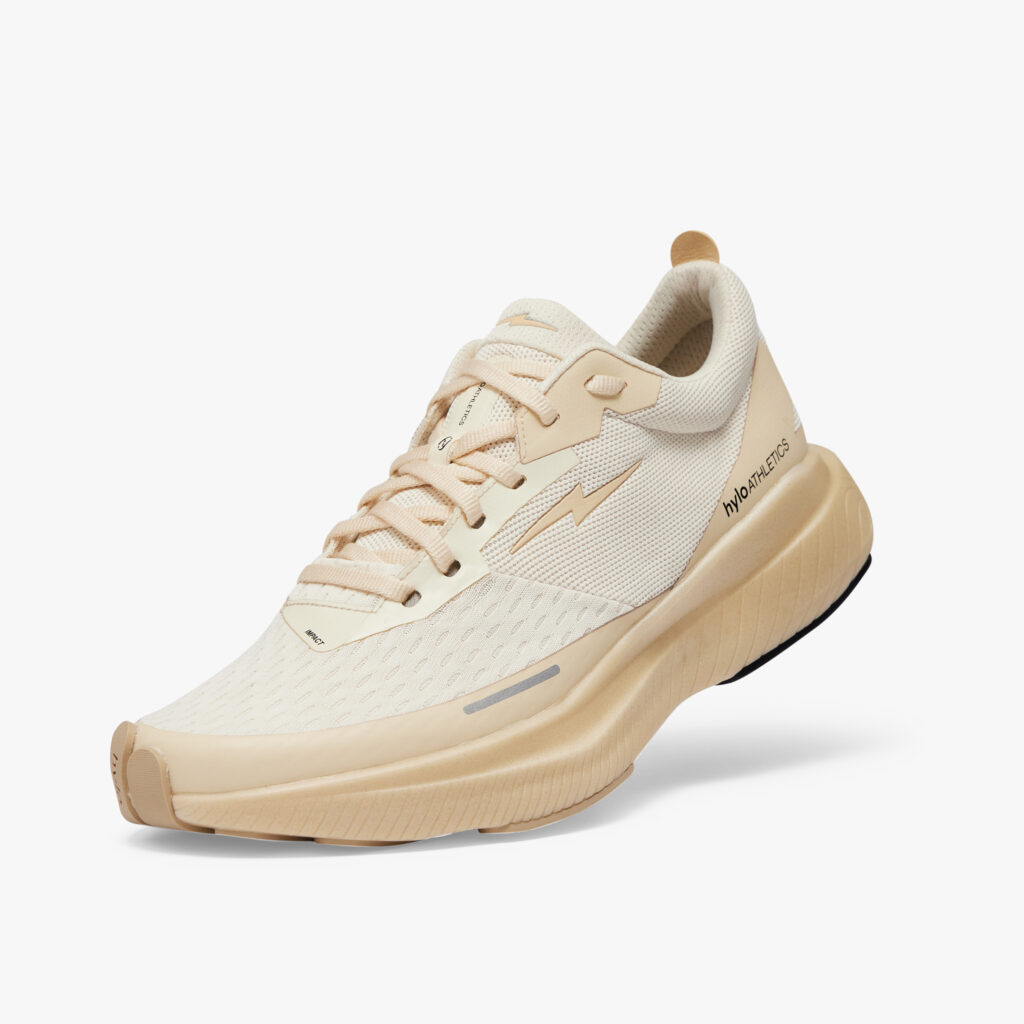

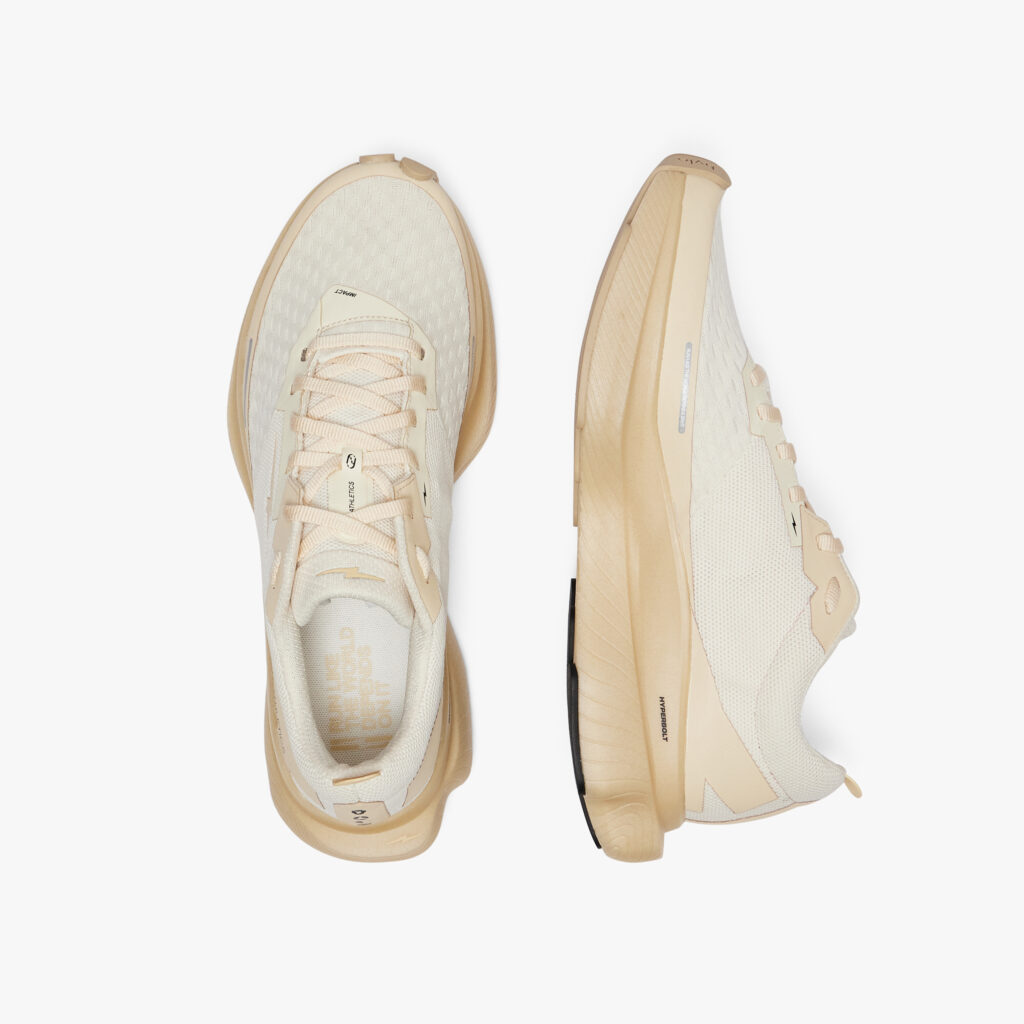
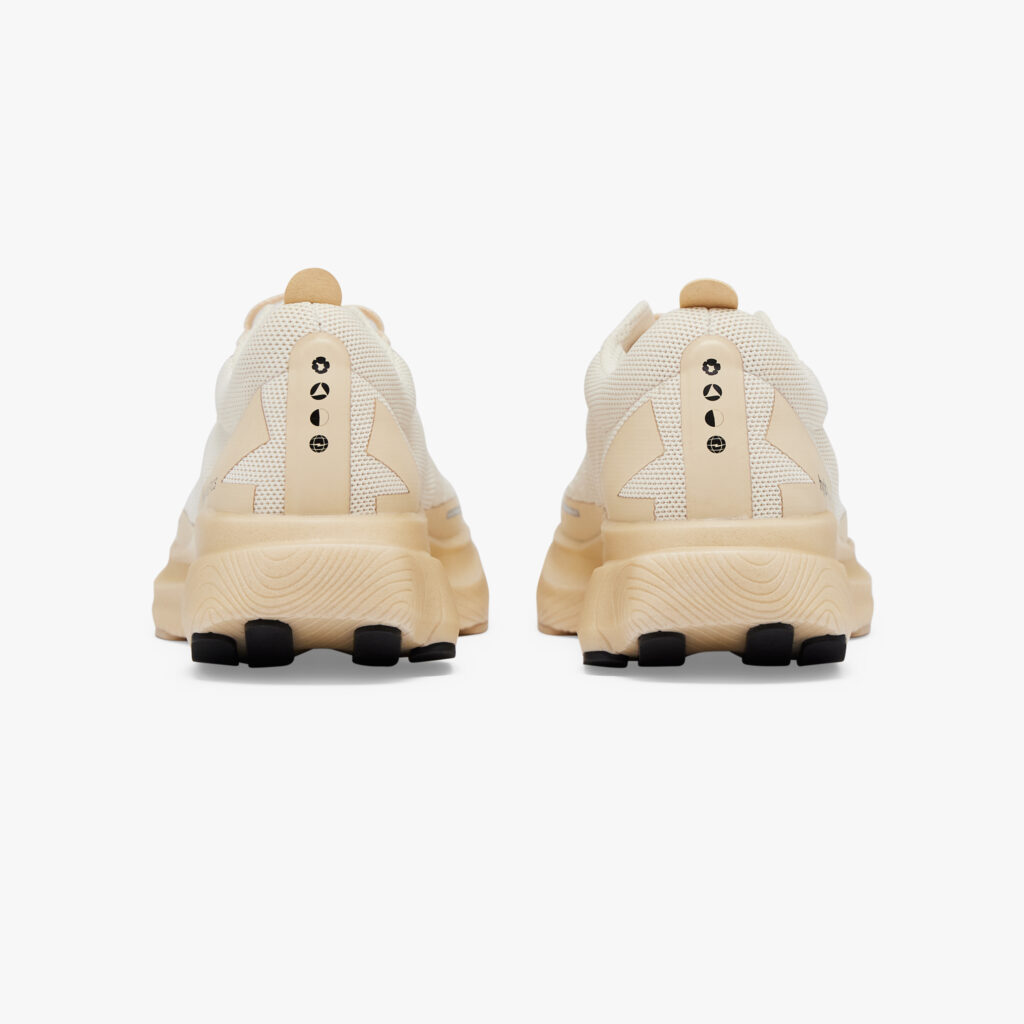
There is no sustainable production. Every product has an impact on our planet. But there is room for improvement in the way we produce and in the materials we use. For hylo, it’s about finding the sweet spot of bio-based materials and performance, about improving the bio-based material content to remove as much fossil-fuelled content as possible without sacrificing performance. The impact every product has is quantified and published on their website.
There are shoes that can be made with more bio-based content, Michael says, but the impact on their performance and therefore on the shoe's utility would be too big. If the utility of a product is not given, it’s wasted energy, wasted resources and it’s definitely not sustainable.
An Adidas x Allbirds collaboration has picked up attention in 2022 with an impact of only 2.94kg CO2e per pair - for hylo athletics though, it turned out that it’s not about creating the least impactful shoe - it’s about creating the least impactful shoe that people want.
Even the least impactful shoes will be worn out one day. Creating shoes that are super durable would make them extremely heavy, Michael says, which would highly affect their utility. To not have them end up in a landfill, like 90% of all shoes, and to increase their durability, the brand has started HYLOOP: a recycling system that gives worn out shoes a second life. When they have collected a critical mass of 2000 pairs, these shoes will be broken down and recycled to create new product.
This industry’s impact won’t reduce over night and in general brands should provide more data on their carbon footprint. Each hylo Impact shoe has a carbon footprint of 8.63kg CO2e, meaning the number of metric tons of CO2 emissions with the same global warming potential as one metric ton of another greenhouse gas. An MIT study showed, that the typical carbon footprint of running shoes is 14kg CO2e.
It’s about the efforts that brands make, it’s on them to provide data on their impact and it's on us to make them reduce it. As a consumer, it’s about asking yourself how much you consume, how frequently and where you do it. It’s about consuming better.