
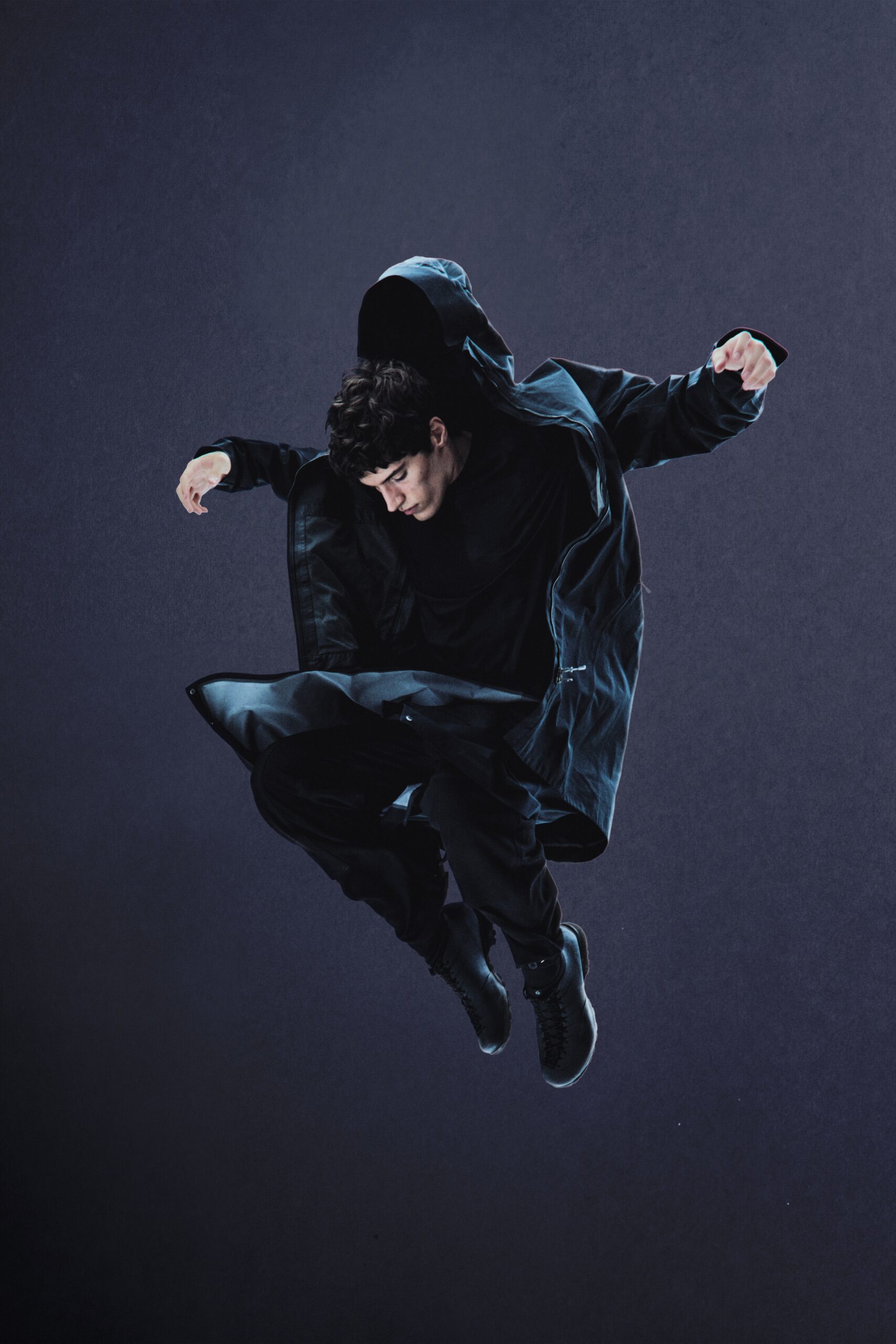
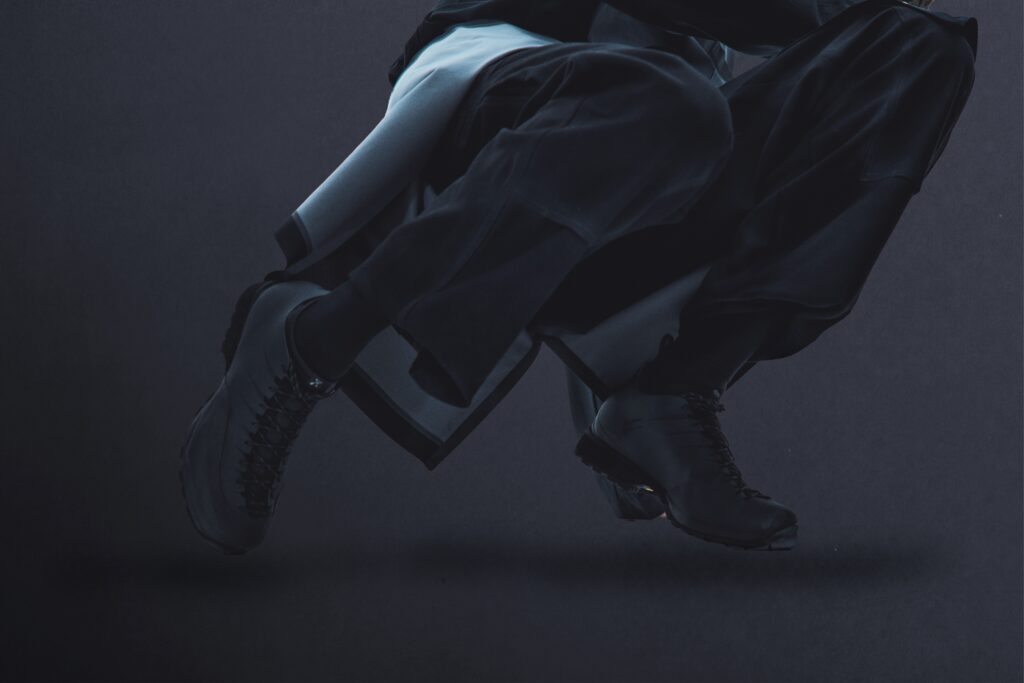
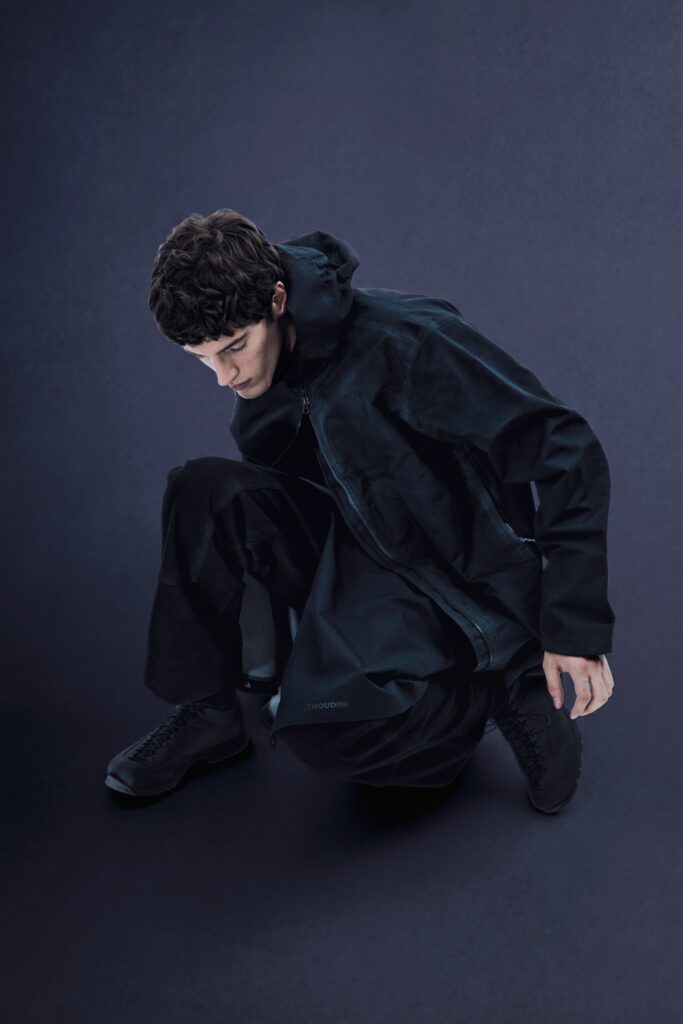
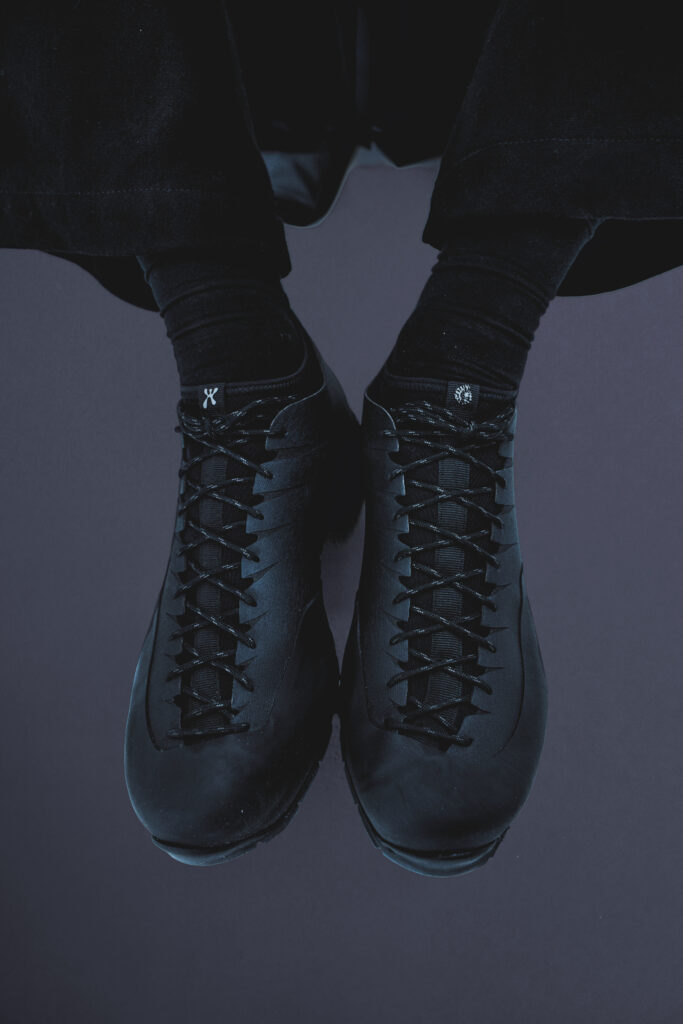
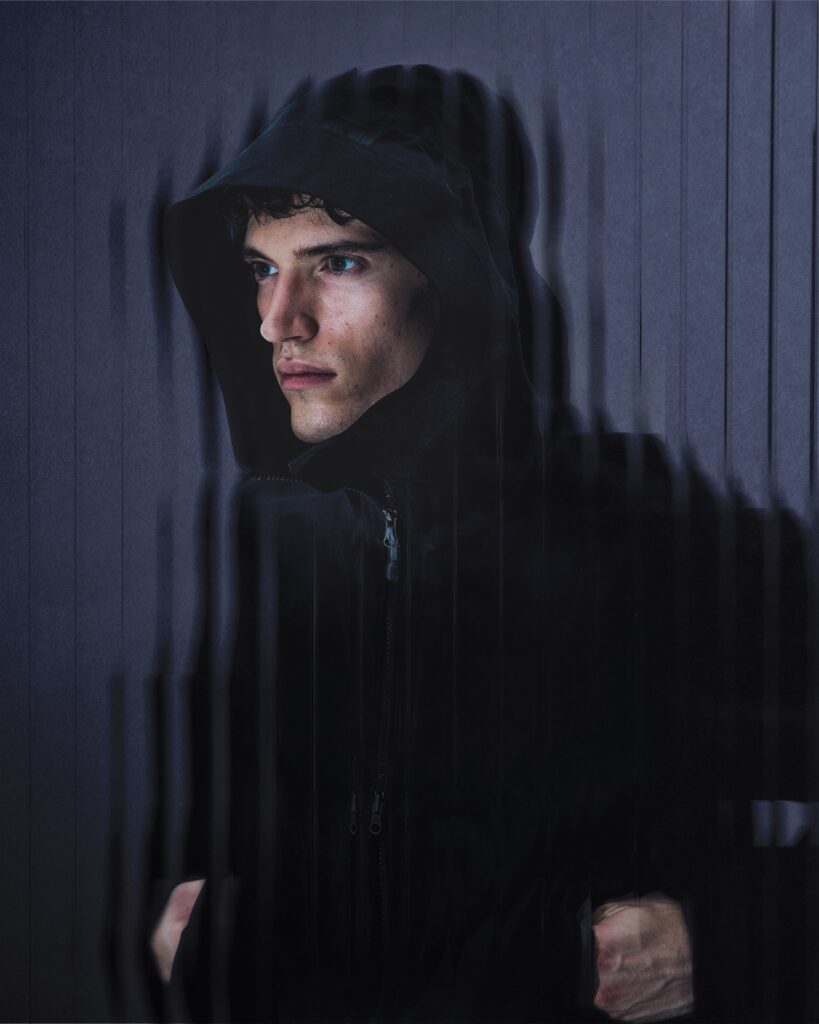
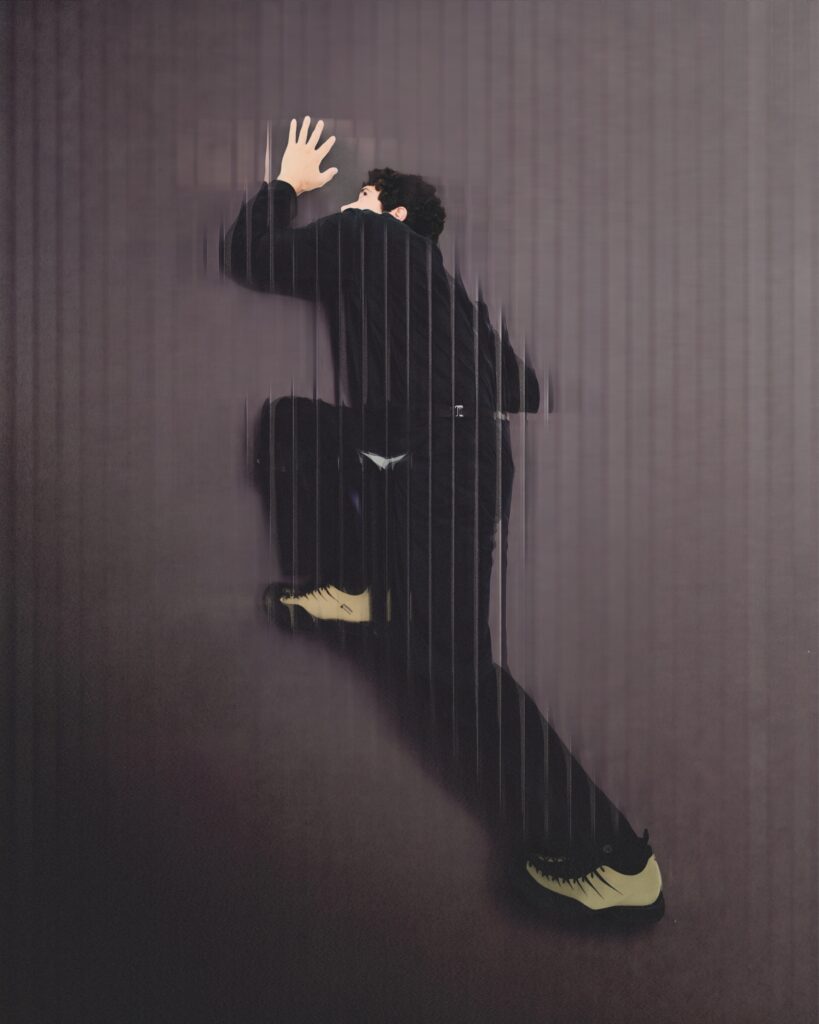
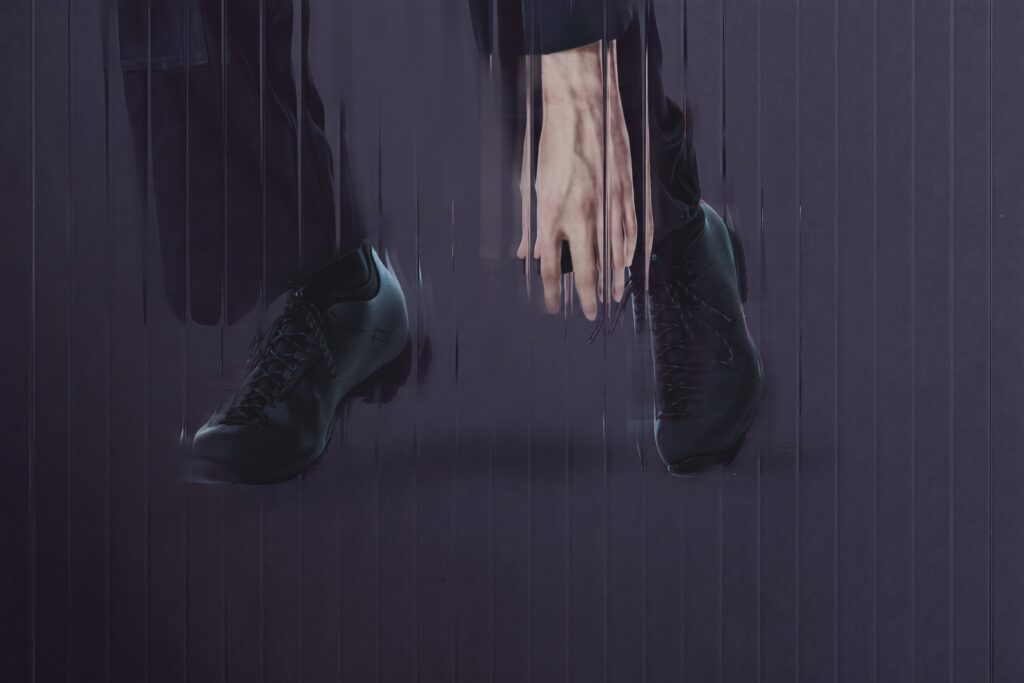
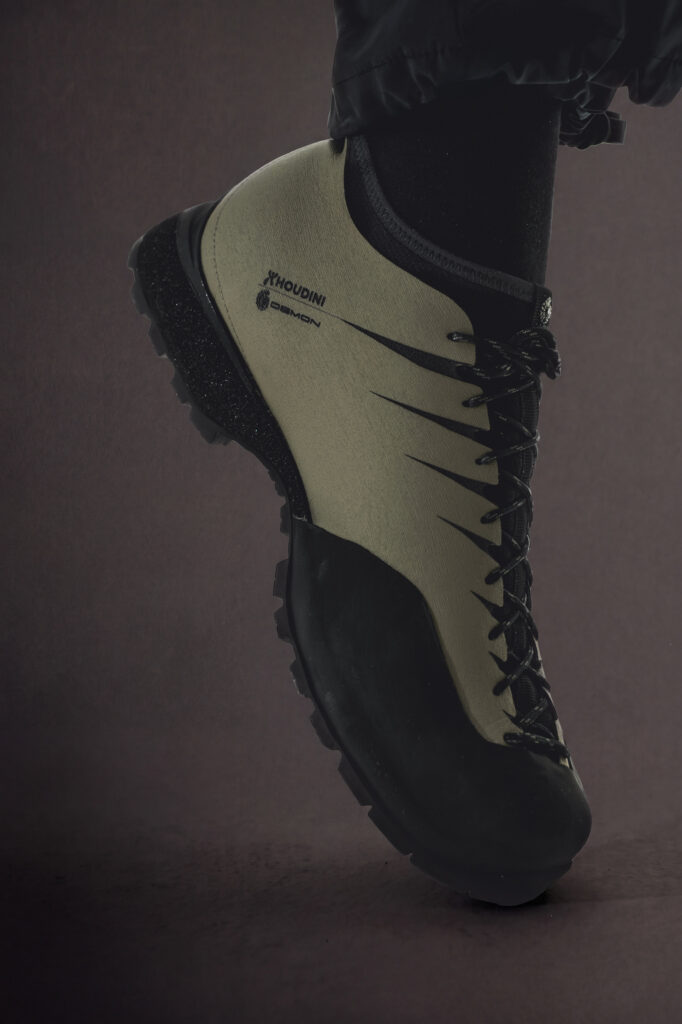
With Silvestre, Demon founder Alberto Deon and Houdini’s Chief Product Officer Jesper Danielsson have created more than just an approach shoe - they've built an entire world based on Demon's architectural approach to footwear and Houdini's stealthy, minimalistic and highly functional design.
A world shaped by the untamed, by magic, and alchemy.
APR MAG sat down with Jesper and Alberto to discuss the origins of Silvestre, their fascination for the woods, witches and dark magic, and how two seemingly opposing design philosophies found common ground.
APR MAG:
Jesper, what is it that fascinates you about Demon?
Jesper Danielsson:
As with everything in life, it’s multi faceted. Before I got introduced to Alberto, I already knew Fabio but I hadn't connected the dots. Once I did, my appreciation was lifted to another level. Demon has this unique and ultimately strong point of view in regards to their design expression. It’s built on this cultural element, that you don’t see often in footwear. When I first met Alberto, his fascination for architecture, objects, and the idea of footwear as being not just footwear but an expression of an individual, of craftsmanship - that’s when we hit it off.
Once I could connect the dots between Fabio and Alberto, I understood the history and heritage of Demon – not only through your father but also your grandfather, Girolamo. Demon tells this extremely authentic story of a brand trying to create something that questions the culture of today, built on a foundation of inherent knowledge. I really enjoyed that as the starting point.
APR MAG:
Alberto, with Houdini being so different in their design language to Demon, what interested you most about working with them?
Alberto Deon:
Houdini is such a well put together company. Having somebody like Jesper at the helm of their design and his way of working - it came so close to my idea of a design community and my aesthetics. It flowed very naturally because it was very clear from early on that there’s this bridge in terms of communication and the opportunity to speak seamlessly about design.
The presence of Houdini was very comforting, almost like a mother, it is such an elegant and just environment to produce in. From the very beginning, I was really fascinated by their value system. Jesper and Houdini had this way of being interesting, cultured, and nuanced, which quickly made me realise that we would be able to produce something that isn’t toothless. That’s always my concern. With Jesper as a partner, I knew we could make something sharp, something that’s extremely fresh, contemporary and ethically correct - that’s really rare. When you look at Demon and Houdini, I think the aesthetics of Demon push us further apart than where we are in terms of design longevity or culture. These fundamental ideas really attracted me.
APR MAG:
Let’s stick with that for a second. At Demon, you have this sculptural, architectural approach to footwear whereas Houdini, on the other hand, has a very minimalistic design language. How did you bring these two perspectives together?
Alberto:
It flew very naturally for us. At that moment in time, we were extremely productive - we’ve spent years of working on a very high amount of silhouettes. There was a certain energy and productivity which, especially in our workflow with Jesper, led us to this huge amount of design iterations, trying to inoculate the Demon identity within the project. When Jasper came to Montebelluna, it all came together very quickly. I remember his gesture was mainly removing rather than adding. In this removal, I think, lies the magic of the product we built.
Jesper:
This also tells a lot about the different philosophies and shows how they do respond to one another. The Houdini philosophy, which is about subtraction, and Demon’s philosophy, which is not necessarily about horror and extreme detail, but definitely is more sculptural.
Silvestre encapsulates the tension between the two brands. What Houdini and Demon have in common is not just their focus on design, it’s the chemistry of working together and finding a common path. The magic, the alchemy, lies in the combination of Houdini’s elemental, very laid back, sophisticated, but somehow stealthy design and the larger than life, aggressive, and sharp direction of Demon.
APR MAG:
Was there ever a moment where you had to pull one another in opposite directions?
Alberto:
As with all creative relationships or interactions, there's always friction. I think that’s what got everyone going - the aspect of getting challenged. From a historical perspective, you design something and an essential part of that process is to challenge the status quo, whether it's from an outside or inside perspective. Putting those bits and pieces together from the get go has so many positive elements to it.
Whenever you do a collaboration like this and you want to really make a difference in terms of one plus one equals three, you need to give yourself some wiggle room. You have to acknowledge it’s not going to be how it would if you did it yourself. That's a fundamental part of getting started.
Jesper:
At Houdini, we often refer to our products as being wearable multi-tools. The understated aesthetic that Alberto was referring to, this idea of reduction, that's what really grows versatility. I really wanted to get that element into the shoe. I personally really enjoy the Demon aesthetic from a footwear perspective, but I couldn't go hiking in the shoes per se. So, infusing that element of versatility into this collaboration was really important for me.
When we showed Silvestre to one of the mountain guides we work with, he would question the simplicity of certain elements but then he would find that recognition in regard to other parts. Allowing all of these words worlds to come together creates this friction, but in a positive sense.
APR MAG:
Houdini is a brand that focuses on outdoor apparel. Did working on Silvestre force you to think differently about function, movement, and longevity?
Jesper:
There's a natural element of questioning the status quo, no matter where and which in which field you're working. We looked at Silvestre with Alberto and his his team, there were moments where we questioned whether we would really need something. We thought about how we could simplify the production process and how we would make sure it still fulfills our durability standards.
When you look at wear testing, no matter what you do, there’s different methods on how you can do it. There’s different standards you apply depending on where on the body the product sits and what interacts with it. Once you do that with footwear, it changes completely.
The methodology of doing footwear today is much more complex, there are so many components that go into the overall design process and there’s so many layers to peel through, to reflect over and to challenge.
One important aspect of this is the acceptance of repairability within footwear today, it’s much more relevant than in the apparel industry. If a garment is worn out, you buy something new. Within footwear, there's more reflection on how we can make sure it lasts longer - such as changing the outsole.
The second part that was interesting to me, is that footwear has developed to an industry that makes shoes by using heavy machinery. With Silvestre, we could step back and focus on true craftsmanship and the skill set that is being passed on to future generations in the same way it's been done from cobblers. Combining that with Alberto's knowledge and passion for product design was really refreshing.
APR MAG:
What is it that both of you are looking for in a in a collaboration, what is it that you learn from one another as brands?
Alberto:
Obviously, Demon is a new project compared to Houdini. We do have heritage, we do have a legacy, but from a branding perspective, it was basically interrupted. When I started in 2020, I started thinking about the company from scratch.
I was very young, only 24, roaming around London to pitch this project to people to try and lift it off the ground. I was in a different type of process, much more egoistic to a degree. It was more about design in the sense of personality, awareness, visibility. Branding was a certain way of being, but more in a fashion sense, and by fashion, I mean aesthetics.
Approaching Houdini and working with the team for a couple of years, I'm now in a different phase of my life. The chemistry and the alignment with the Houdini way of thinking was super productive in the sense that I really think differently about what building a brand means - more as an act of service rather than an act of creation.
The workflow with Houdini and the understanding that everything needs to have a justification that goes beyond the product, that it needs to align with the brands’ philosophy, which is a streamlined evolution of a natural process.
We, as human beings, are part of a bigger lineage, we’re a byproduct of a wider natural scheme. In that sense, we need to step back to be truly ethical. These aspects force you to ask the big questions: What am I doing this for? Why am I doing it? Does it need to exist or am I imposing it on the world? That's my biggest takeaway.
Jesper:
That's a good one. When you start reflecting over why you're doing collaborations in general, I think for us at Houdini, it's always been about this idea that we want to be very, very good at one thing. But at the same time, which is apparent, we see ourselves a lot like a human being that has different interests and fascinations which we would like to explore and reflect over.
We've always said we want to connect with like minded people, people who are exceptionally good at what they’re doing because just to think of ourselves as being the best at everything doesn't work. That's just unrealistic. Much rather, we like to partner up with people that are non-compromising in certain areas, such as Alberto in terms of his design process and methodology, and I really enjoy that. Working in a way that's quite far from where we usually start, the user centric perspective as of how it feels to wear, brings the experience of what we're doing to the next level.
What fascinates me within this space is the need to compromise or work with both perspectives at once. It allows you to really push yourself further within this space. If you look at how Silvestre encapsulates the foot, how it creates comfort for the wearer with all these different elements - it almost feels like an embrace, like sitting somewhere in nature. Equally, it’s a result of wanting to create this feeling, but it's also so expressive.
I really like that element of challenging yourself and your starting point. Alberto’s methodology on the expressive part pushed us further in regards to where we sit with the expression of what we're doing. For me as a designer, it went back to the question of when, how, and why we always need to start from a philosophical element. One part of what we're doing is to constantly challenge the status quo on a societal level, to see if we can make fewer garments as a whole. We also need to get people to deeply and passionately fall in love with what we're doing in regards to beauty. Alberto’s approach on beauty is very refreshing.
APR MAG:
Silvestre has a very specific meaning: of the woods or of the wild. What does the untamed mean to you?
Alberto:
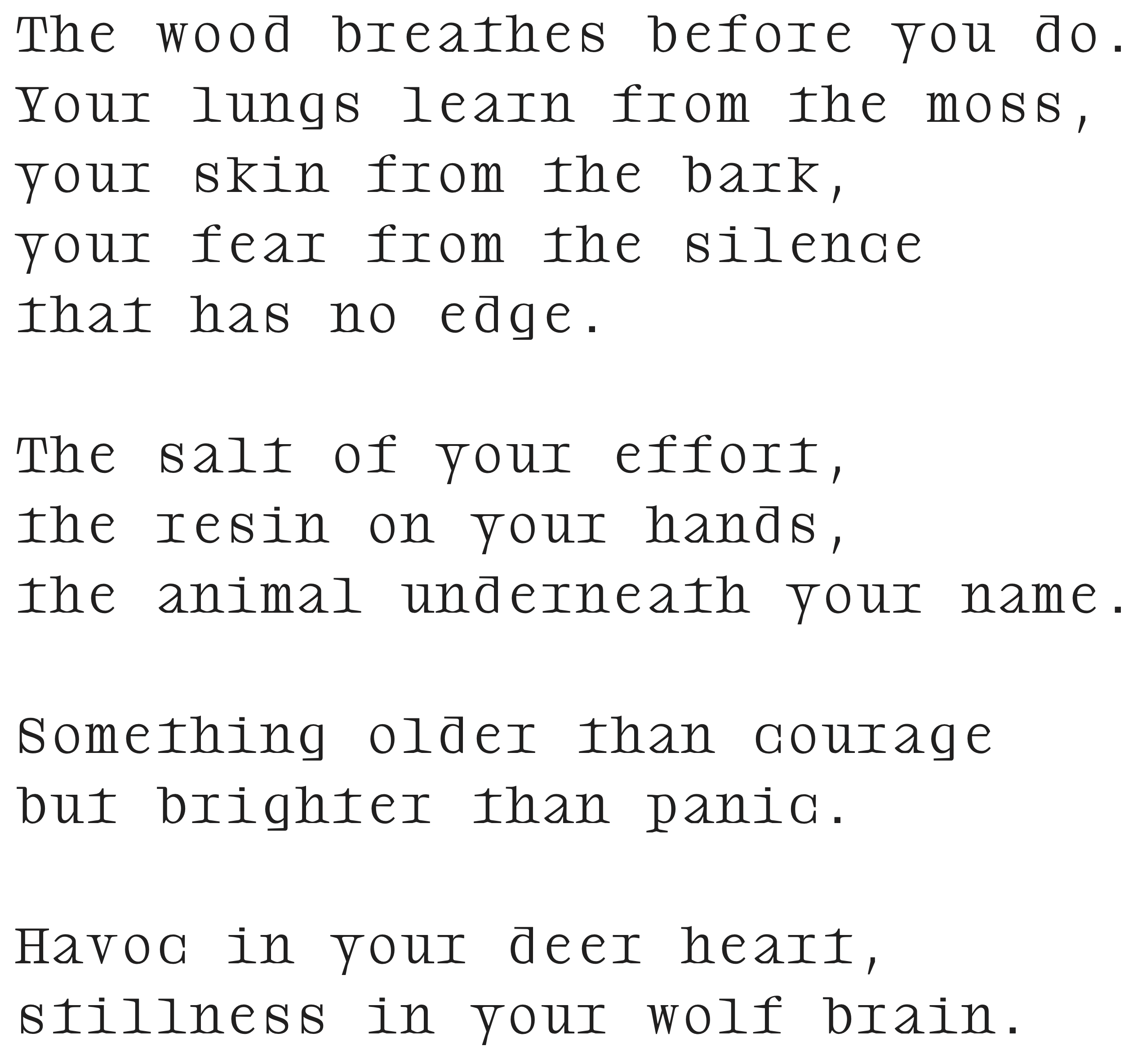
The naming system comes from a series of classical studies that I've done earlier, it’s Latin actually. The woods have this sacred presence across multiple cultures and rituals, religions, communities. I think it's one of the most extraordinary presences in terms of aura and its ability to create wisdom, but also fear and despair - thinking about the idea of witches and dark magic.
I enjoy evocations and the element of excavating this theme. I'm not sure if there's some subconscious interest I have, but I’m obsessed with that. To a degree, the whole project of Demon is an exploration of this topic which breathes through different themes like legacy, territory, history, mystery, and spirituality.
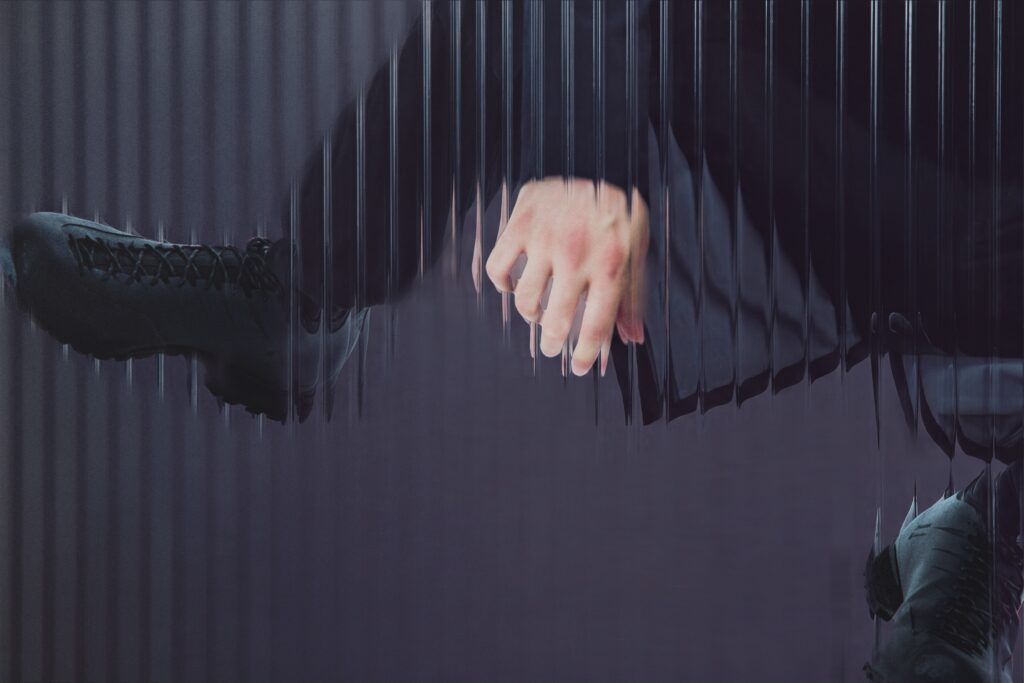
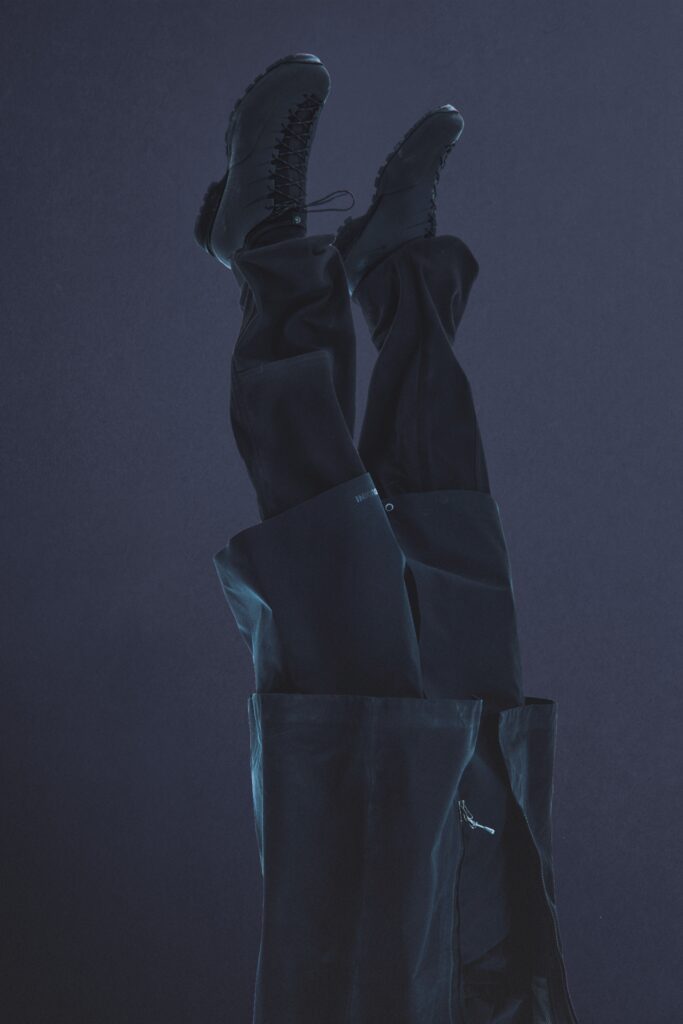
The way I thought about Silvestre comes from a position that it's not a streamlined extraction from the outdoor world. It’s a form of exploration from another world in which outdoor seems to be the vehicle. With Demon, and our performance line, we’re really only at the beginning, so Silvestre acts like a manifesto. I’ve always wondered how can we speak about the outdoors with a more artistic mindset. How we can talk about topics that end up in Robert Eggers movies. Some references for the visual world behind Silvestre actually were from him and from Ari Aster’s movie Midsommar.
There’s a narrative out there that comes from a more expressive line of thought rather than just of the woods - it’s an approach to and for the woods, it's a wider cinematic slash, a hallucinatory environment. I really believe that outdoor should somehow work with it to explore it. I'm not sure if I should add more complexity to that.
APR MAG:
No, no, go on, please.
Jesper:
I think why it resonated so well in our world is because you have this space for nature. Looking at indigenous people and the way they make decisions or how they’re doing internal votings - they always have what they call 'a seat for the eagle'. At Houdini, what we’re trying to do derives from nature. In a lot of our conversations with Alberto, we thought about how we could make a product that would fit in a multifaceted world. The connection we wanted to show was to route it back to our appreciation of nature, no matter whether it’s in Cortina or in the northern part of Sweden.
There's this a guy I met a few years back, he's part of a tribe in North America. He's been in many big UN negotiations with state leaders and he told me he could always break these conversations down to a very simplistic way of trying to get everyone involved to understand where the seat for the eagle was. Who’s looking out for nature when everyone is only looking at their GDP. In the bigger picture, we need to protect and look after our biggest resource, which is nature.
Alberto:
I think it's interesting that Silvestre is somehow taking a life of its own as a project rather than just a single handedly release of the product. There's much more energy and more conversations that we are representing - in my sense, it’s more like a territorial and cultural legacy and in Jesper’s case, it’s representing a very solid and mature brand.
We are at an interesting point in time when it comes to the evolution of the concept of collaborations, we have to expect more from them in general. That's not just a marketing observation, too often collaborations are not as striking and I truly believe that if you find a collaboration like Silvestre, it can channel those concepts and ideas so that we extrapolate as much as we can.
We don't just want to slap two logos onto something, we want to get deeper into cultural discussions, we need deeper conversations in general of where we can allow ourselves to boost one another. In a very simplistic way of putting it, it’s about how we can serve a bigger purpose.
APR MAG:
Thank you, Jesper and Alberto.