
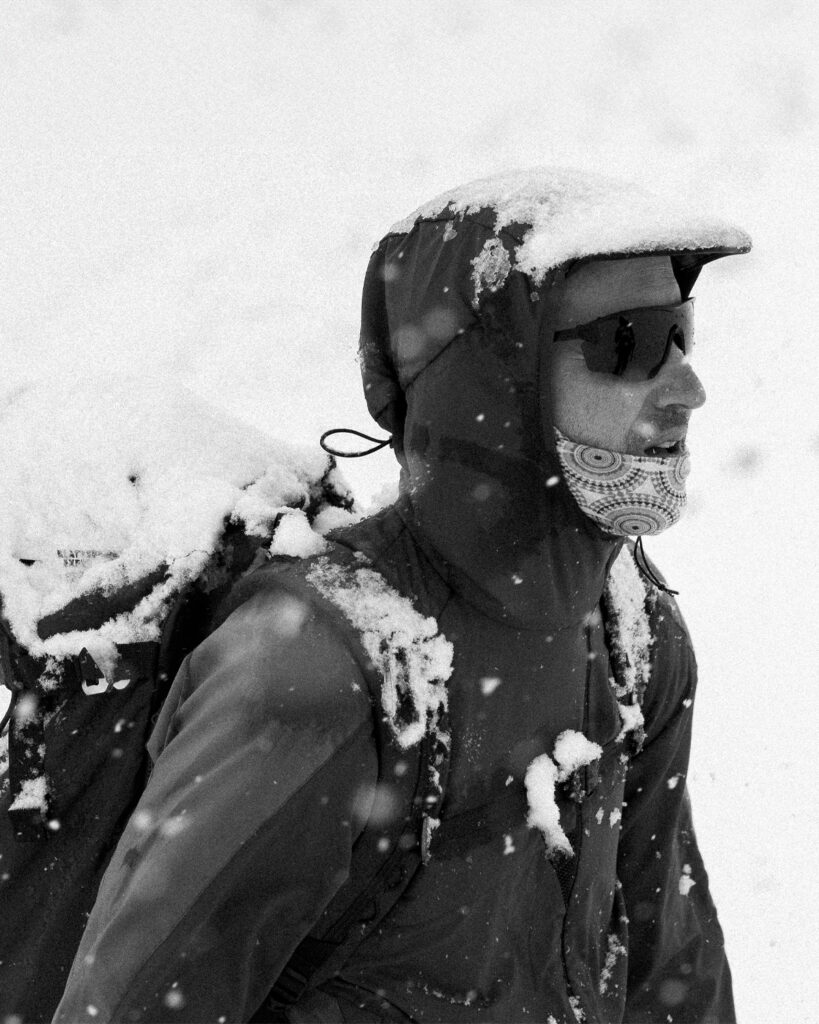
Growing up in Buenos Aires, Argentina, Gonz Ferrero built a diverse career working in finance, in media, and in the music and entertainment industry, before taking over the helm at Klättermusen as the CEO and owner. Eleven years ago, in what he calls a midlife crisis, he pushed himself to spend more time in nature, to quit smoking, to be healthier and more mindful, and started looking for opportunities within the outdoor world. APR MAG met Gonz during the brand’s 50th birthday celebrations to look back on his beginnings with the climbing mouse, Klättermusen’s unique approach to gear, how he found balance in nature and what the future holds for the brand.
APR MAG:
You grew up in Buenos Aires, you’ve lived in urban jungles like Shanghai and Tokyo and then you’ve moved to Scandinavia. How has your relationship with nature changed throughout the years?
Gonz:
Growing up, we didn't spend a lot of time in nature. Every family is different. Every time our parents would take us out into nature in my teenage years, I hated it. I just wanted to go back to my friends instead of sweating and feeling uncomfortable outside. As I went through life, seeing the other extreme as well, I realized that nature helps in finding balance. It's a counter position to my day to day life. I've always been a person of extremes. When I was younger, I could be in these urban jungles for longer, working more and sleeping less.
For me, nature has been much more about this personal journey of realizing that every time I go into nature, I gain perspective on myself and where I am today versus yesterday. Some problems become less important, others appear. It’s this introspection I get from nature which other people might get from cooking, yoga, or running. For me, it's never been about being the fastest when summiting or being in the most extreme environments. It's much more about disconnecting and unplugging from life. It’s the only time my phone is off.
In nature you truly feel the simplicity of life. You don't need to shave, you don't need to shower, and you don't need to eat proper meals. You can eat what you want and when you want. It’s more primal. But then there’s also this duality. Not everybody is a pure outdoor person, a pure fashion person, or a pure business person. You can be in the finance department and be very creative, but also you can be in the creative department and be very analytical. In nature, it's the same.
APR MAG:
You’ve worked in a completely different area before and you’ve lived in many different countries. When and how did you first get in touch with Klättermusen?
Gonz:
I had seen Klättermusen in Japan, I thought it was a Japanese brand. When I decided to go into this space, I was really keen on looking especially at Scandinavian brands, trying to contact their CEOs and owners. Everybody I talked to about Klättermusen had a strong opinion on it. Some were good, some bad, but all of them strong. That was what I was looking for. You may not like it, but you know it's there. That's really important for me.
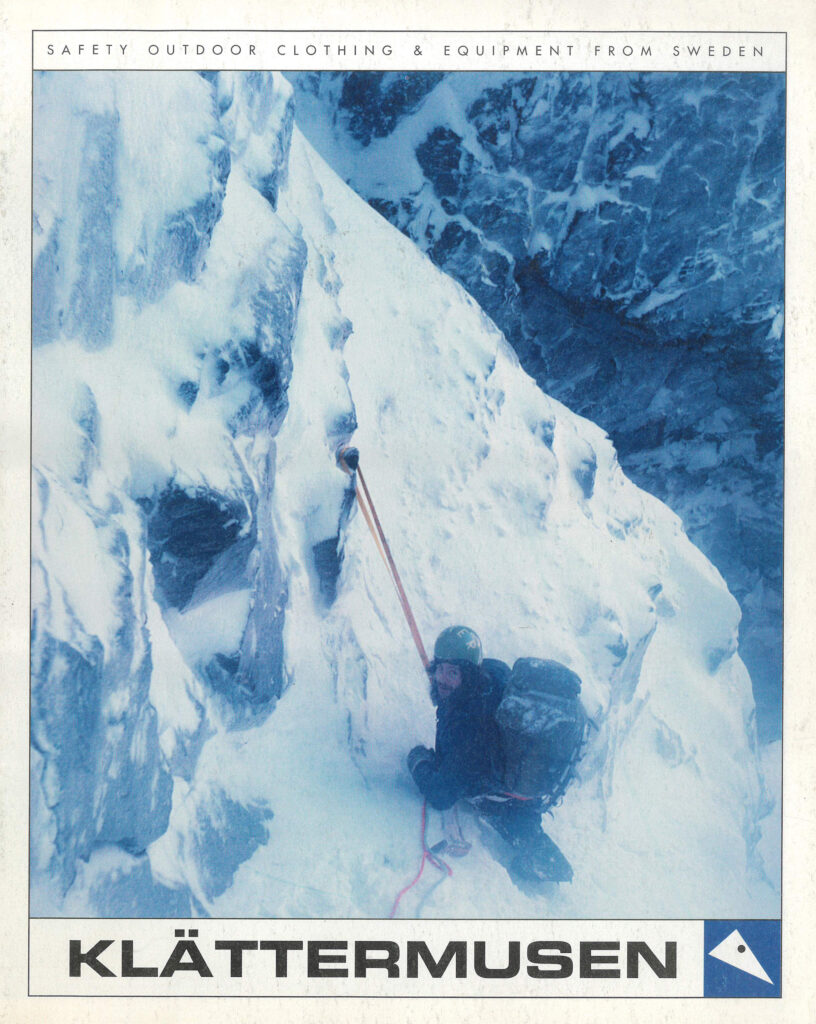
I got in touch with them and somehow it was at the right time. I met Peter, the founder, and I approached him with this idea that I could bring some fresh eyes and a new way of working without wanting to break or change anything for the sake of changing. It was more about interpreting the brand for a modern global customer.
We talked it through at a hike. At the end, he said it sounds great and this would be the right direction, but also he thought it was time for him to move on. He had been heading Klättermusen for 40 years, so now it would be my turn to do it for the next 40. Me and the rest of the team joined and have been going since then. Isabelle, our designer, Sara, our production manager, Gustaf, we all started together. It's been and still is a group project.
APR MAG:
Let's go back to that moment when you’ve joined Klättermusen. Looking back, coming into a brand with such a rich history in the outdoors, how was your start?
Gonz:
At the beginning, my outside perspective was irrelevant. I took this as a very, very long term approach. I was very clear about that I had no idea. That was really important and in hindsight probably pretty smart. I had no idea why we made certain decision and how we were working, why things were the way they were. This gave me the opportunity to ask big questions and not to take anything for granted. Some lessons we learned early, some we learn as we continue to develop the brand. It’s still a learning curve for me, within the business and the industry.
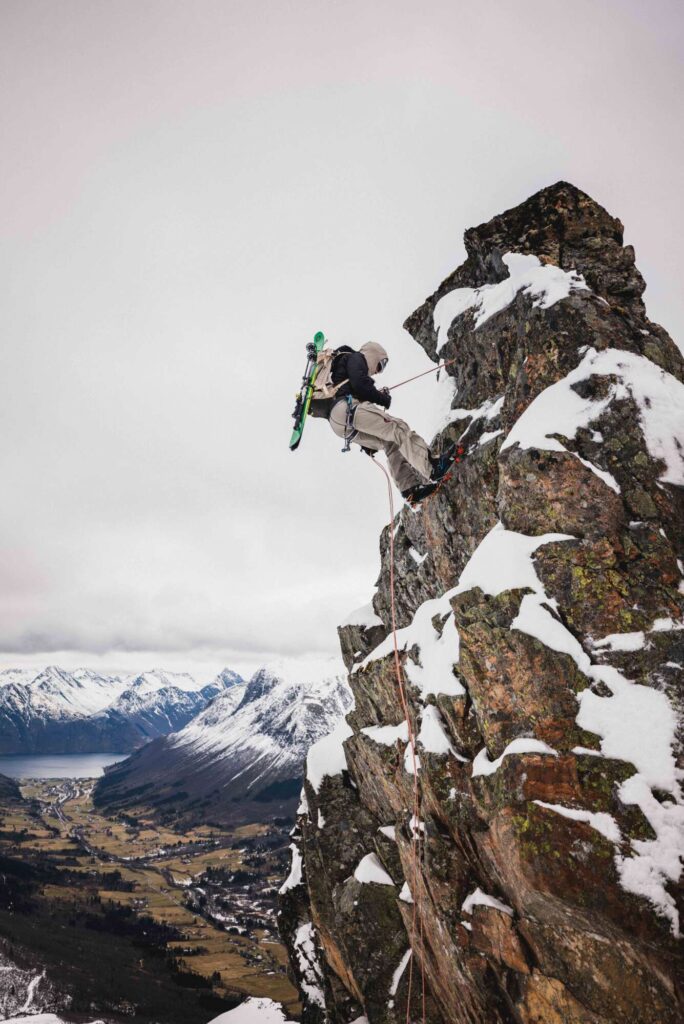
My outside perspective helps me to relate with people. If I go into a space and I'm inspired, it’s very likely that others will be inspired, too. If I see a product and I don't know how to use it, nobody else will know how to use it either, I guess. One of the biggest lessons I learned not early enough is how local mountaineering is. The Scandinavian approach to the mountains and therefore the gear required is so distinct from the Alps, the Himalayas, or British Columbia. Weather is weather and mountains are mountains, but the way we engage with them is different.
For us, looking at how we think about the collection, our products, or how we talk to our customers, is always within this Scandinavian approach to the mountains. When you go to the Alps, there’s a different approach. That's why you have these amazing brands there, dedicated for this very specific usage with specific fits, colors, and aesthetics. There's a cultural and regional aspect to these brands and their approach to gear and that's part of what needs to be educated.
APR MAG:
In the time you've been with Klättermusen, what were your biggest challenges and your most important developments or changes that you've gone through as a brand?
Gonz:
Puuh, small question..
My biggest challenge with Klättermusen has been that we’re too small for our ambitions. Everything is more difficult when for example minimum quantities are too high. The costs are too high, our budgets are too small and that will probably never go away. The bigger we get, the bigger the ambitions and the faster the pace - it’s a constant struggle. That's probably the biggest thing. Covid was a killer for us, for sure. For many brands it was just a really difficult time but we essentially had to figure out how to keep going, figuring out how we could survive. But then we also needed to come out strong.
What I lose most sleep over is that as we’re continuing to grow and to develop, we need to grow our roots as well. The tree grows, but the roots need to go even deeper and deeper and deeper. It’s a balance between becoming bigger but also continuing to stay very, very grounded. That’s very important for me.
APR MAG:
You've mentioned your big ambitions with Klättermusen. How do you see the future for the brand and how do you set it up for it?
Gonz:
Six years ago, I was setting up our booth at ISPO. Some buyers were looking at our products, saying we would be too funky and too expensive. At the same time, others were asking why we were so cheap. I love these angles, they’re so different.
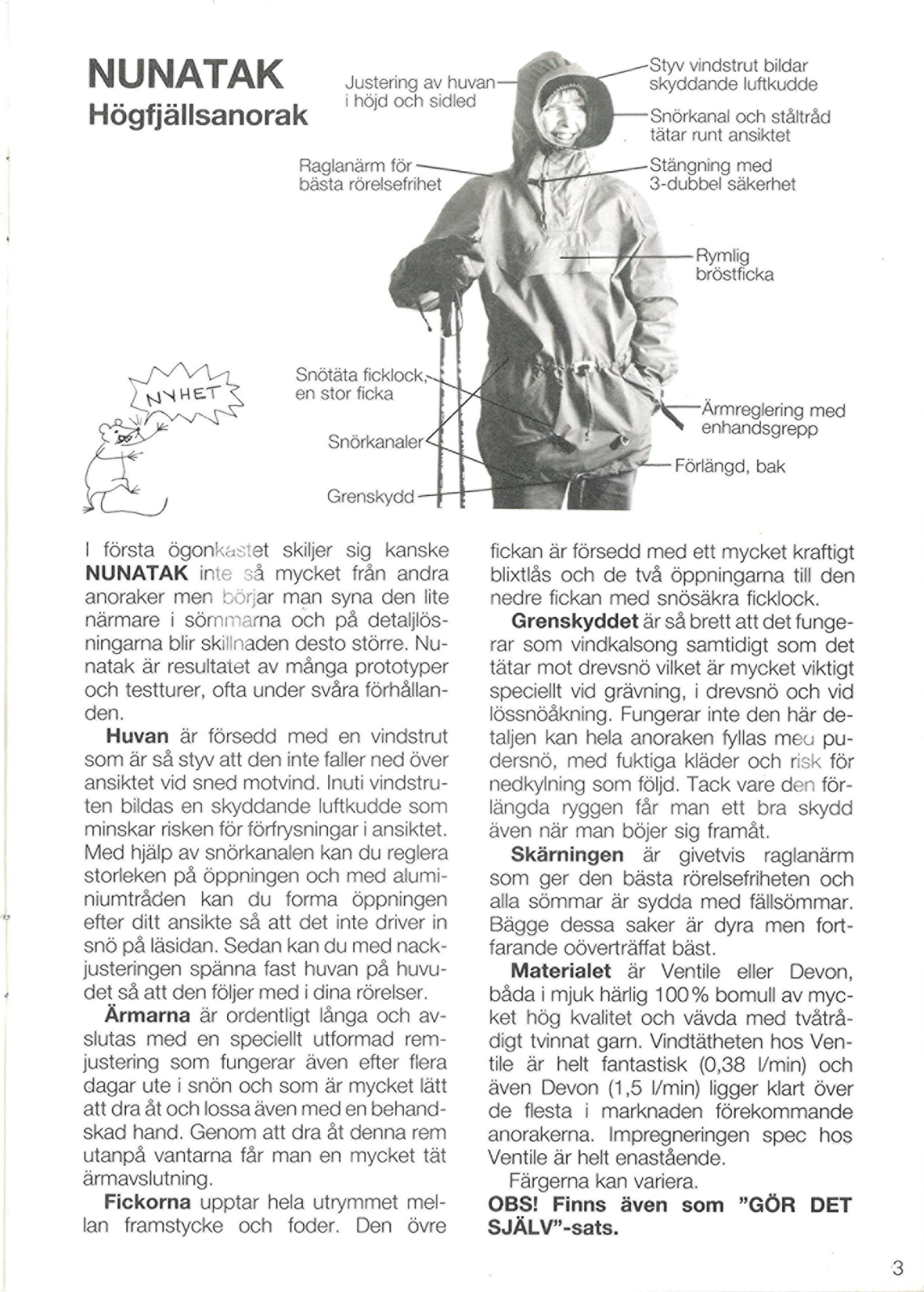
It all starts and ends with product and that’s what we do. We are a mountaineering product workshop in the north of Sweden. We work through material innovation, figuring out our point of view on product - whether it's a base layer, or a sock. Every product needs to have our DNA, but also a reason. We always ask ourselves why we need a certain product and how we can make it not only different, but better.
When we do that, it speaks to people who think about life in a similar way. It's not just about making a great waterproof jacket. It’s about the thinking behind it, our own angles and takes, our own interpretation of function led design. That is quite special. Gorpcore, as it was called, brought functional wear into the everyday. Not just for mountain people who want to climb and summit Everest, it’s been a trend for the everyday. And it did make sense in so many different ways.
The term itself might be oversimplistic, only scratching on the surface, but underneath are many people who feel this duality. I'm a city person, but I also have this curiosity towards fabrics, towards the outdoors, and towards culture. When you find brands that share the same mindset, their product speaks to you. We always aim to have this balance between technical and cultural aspects, unwrapping how we make a garment, why and how we make choices, and why we choose certain fabrics and details.
APR MAG: Wow, interesting.
Gonz:
More of a philosophical answer here, but I've never really understood the need to distinguish between an outdoor- and a fashion person. We're all of them, depending on the situation. You can love being in a hut and eating very simple camping food, but at the same time you can enjoy eating at a nice restaurant. As a brand, if we want to connect with this culture, we need to understand that it’s not that simple.
APR MAG:
I fully agree and I would say I’m the same. In the end it’s about finding a good balance.
Gonz:
Yeah, exactly. Balance is the key word. If you think of Klättermusen as a person trying to express their take on the world, we need to create opportunities for this person to feel that this is not just about buying clothes.
We don't need to pretend we are the best, the most extreme, the most technical. Klättermusen is a mouse. We are trying to be serious but also don’t take ourselves too seriously all the time. It’s about having fun and making funky stuff that makes you wake up in the morning with a smile. If it becomes merely a job or only about doing the next product, or about growth, you’ll lose that pretty quickly.
APR MAG:
Currently more and more people spend time in nature, going to the mountains or on hikes. At the same time we also see some kind of over-tourism in popular mountain areas. How do we on the one hand make the outdoors more accessible, but at the same time ensure that we don't overcapitalize too much on nature?
Gonz:
I believe that for anyone spending time in nature is not only better for them, but also for the world and society as a whole. We do need to encourage people to go out, to connect, to spend more time outdoors and you don't need to travel to the Himalayas to do that. As brands in the outdoor industry, were somewhat guilty for always showing incredible mountains or landscapes.
I enjoy riding my bike in the city as much as riding down a mountain trail. We always refer to the outdoors as this place you have to travel to, but you can be outdoors locally. Outdoors isn't just the far remote places everybody is going to.
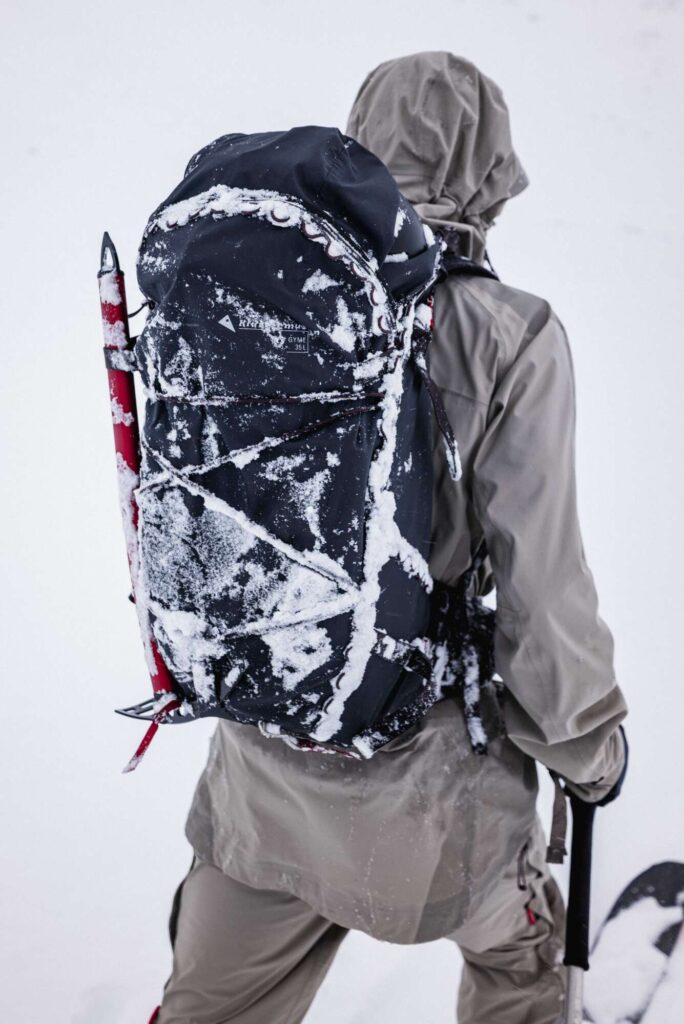
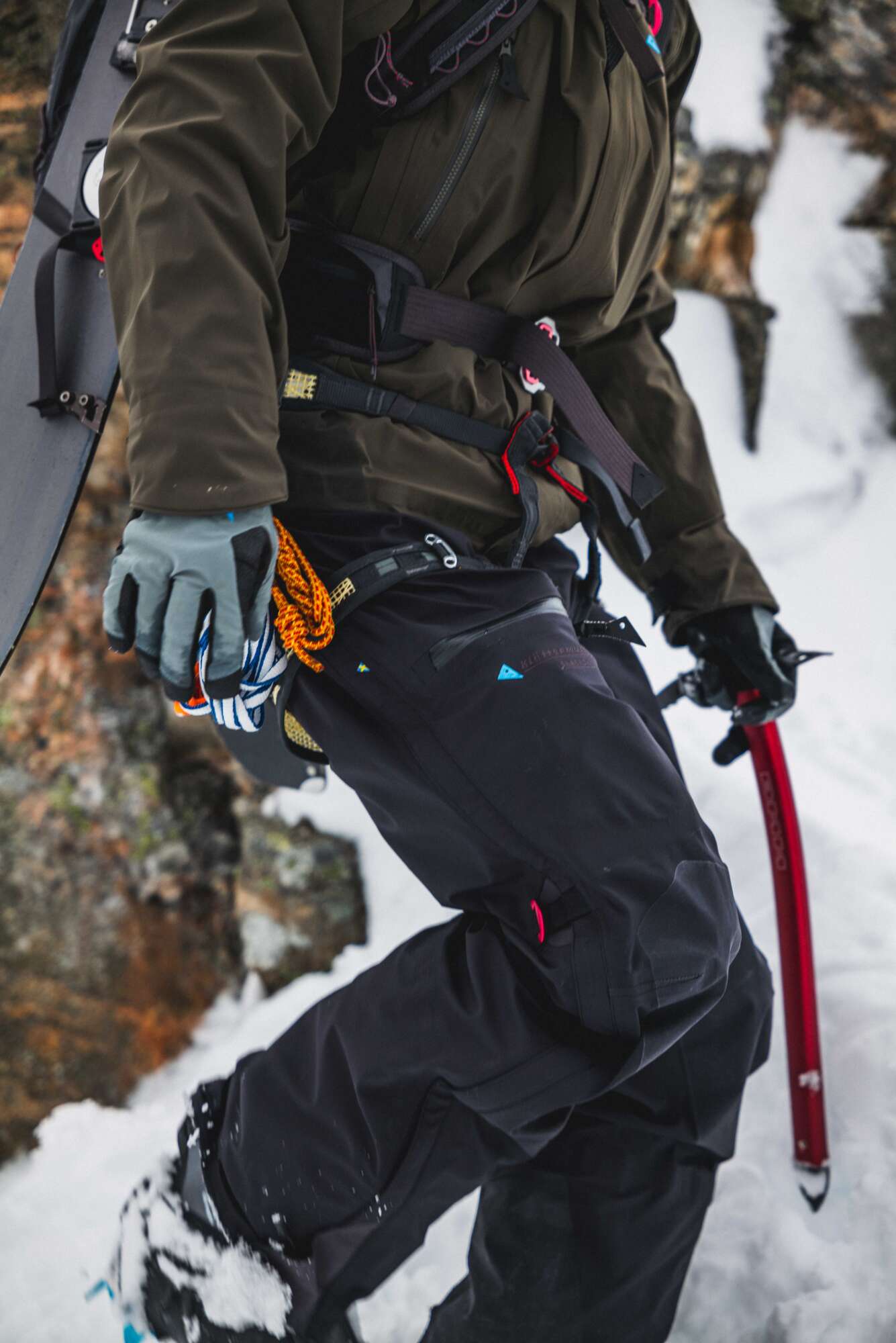
We’re working very closely with STF, which is the agency in Sweden that handles all the huts. They’re facing the problem that everybody travels in the same three months to the same five locations. They have many other huts with incredible weather and incredible opportunities all year.
The aim of Klättermusen is to engage people to discover and explore places that aren’t standard. It’s about getting people to get out in a sustainable way that is connected to the local culture. It's not about flying in, taking a picture of the Northern Lights and leaving, it’s about the journey.
I see this as an opportunity for the way we travel. When you sell a holiday-package or tell people they need to visit places as if there was a checklist, of course there will be over-tourism. My best adventures and experiences were the ones I did by feeling. To me, that’s the best way to disconnect from my day to day where everything is planned, scheduled, and organized. We can do a lot more about that. Travel to different locations, highlight different ways of traveling, going into nature that does not come as a package.
APR MAG:
This ties in well with my next question. In a press release you say that you commit yourself to creating the best and most sustainable equipment. How does Klättermusen define sustainability and how do you manage to produce sustainably?
Gonz:
I'm totally against any claims that we are sustainable because we are not. We are trying to do the best we can but that’s far from being sustainable. We try to minimize our impact on the environment and we do that from several angles. Of course, everything starts with the product and its fabrics. That's not rocket science, we take a holistic approach like many other brands.
For us, it’s function first but there’s also the rule of maximum safety. Our approach is maximum safety for you, minimum impact on nature. But maximum safety comes first, we’re making technical products. They need to be trusted to perform. If possible, we work with organic materials, we use recycled or recyclable polyesters and nylons. We also develop bio-based materials but in some cases we can’t use them and then we don't. We do the best we can and we continue to improve. It’s a very honest approach to making product.
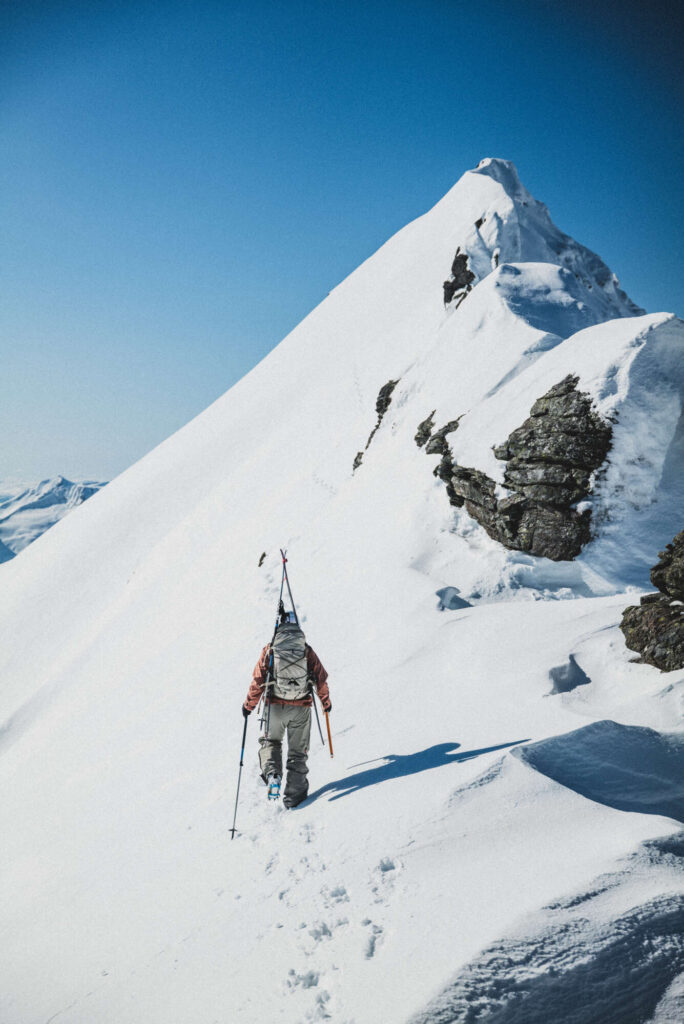
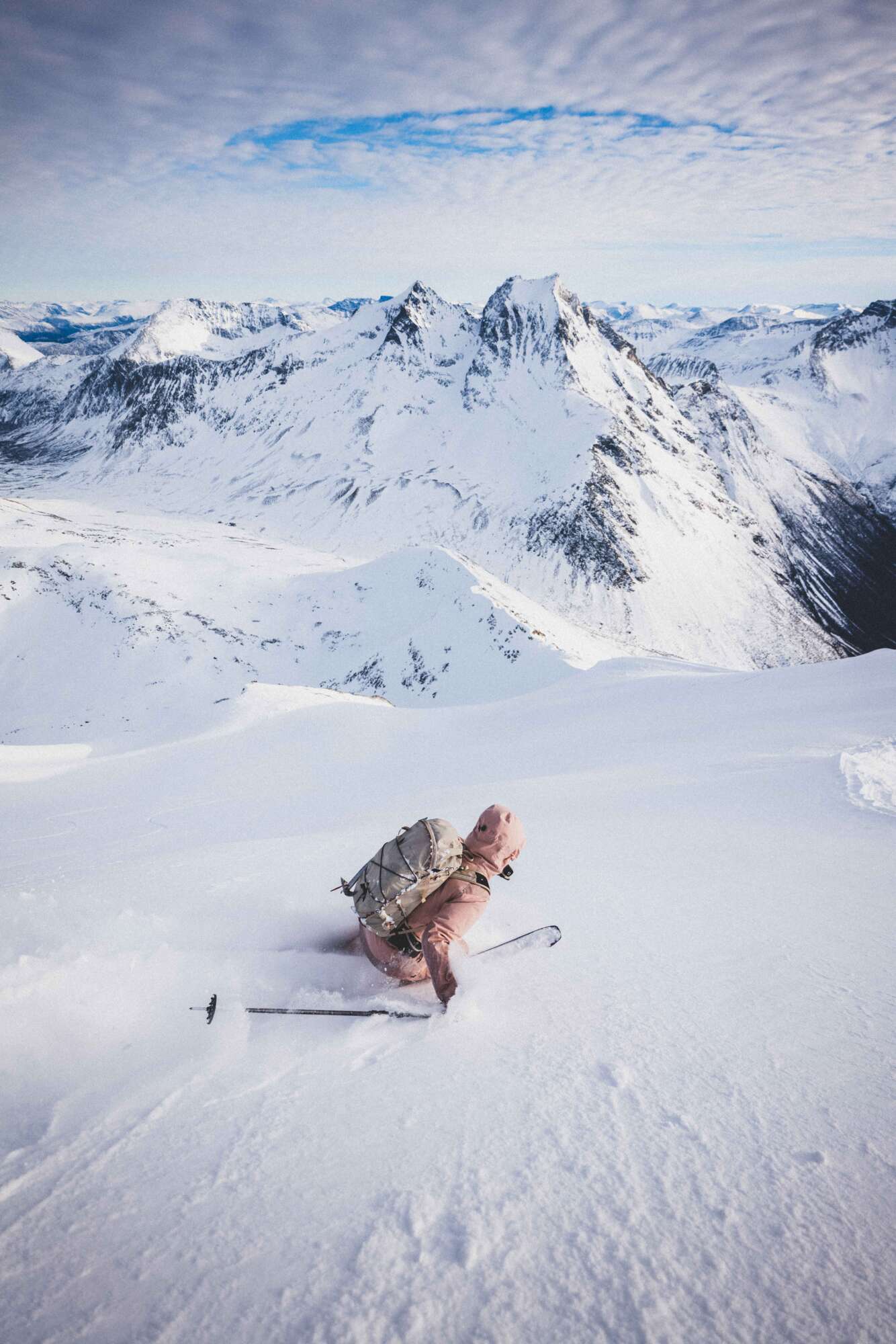
We work with durability as much as possible. We work with sustainable materials as much as possible. We work with education on how to wash and impregnate as much as possible today and as much as we possibly can tomorrow. Everybody is responsible for that, it’s not just the job of a single person. It’s embedded into the DNA of how we travel, how we work, how we think, where we shoot campaigns, and where and how we source fabrics. Of course, we think about sustainability and durability to make a product last as long as possible. We have this Swedish approach where we try to do as much as possible all the time, but we don't talk about it too much.
APR MAG:
This year, you’re celebrating Klättermusen's 50th birthday. How do you envision the next 50 years?
Gonz:
I think that as product makers, we have a unique approach and mindset on gear, jackets, pants, and backpacks, and I think there’s a lot for us to continue developing.
I also see that we need to create experiences and spaces that are different. If Klättermusen was a person, in what kind of space would they want to hang out in? How do we get like minded people into our stores? In the end, a store will always be a store. If you have big community events, there will always be this store atmosphere. We need to find new ways to do that, to connect and to give like-minded people a space. We can have an impact in continuing to encourage independent thinking, duality of life, honesty and humility towards each other and towards ourselves. That's the journey that we're in and we’re trying to use our time wisely for that.
APR MAG:
Thank you, Gonz.