
For Abby Bucknall, Head of Global Marketing for Vibram FiveFingers, it’s all about people and their emotions. At the age of just 25, she accepted the role of Creative Manager at Napapijri. With her background in set and spacial design, Abby has re-shaped the visual identity of Vibram FiveFingers in a short amount of time.
APR MAG met Abby for a very honest and open conversation on her hands-on approach, her intuition, her creative relationship with Alberto Cantu and why she would of course hire somebody, who’s never worked in the industry before.
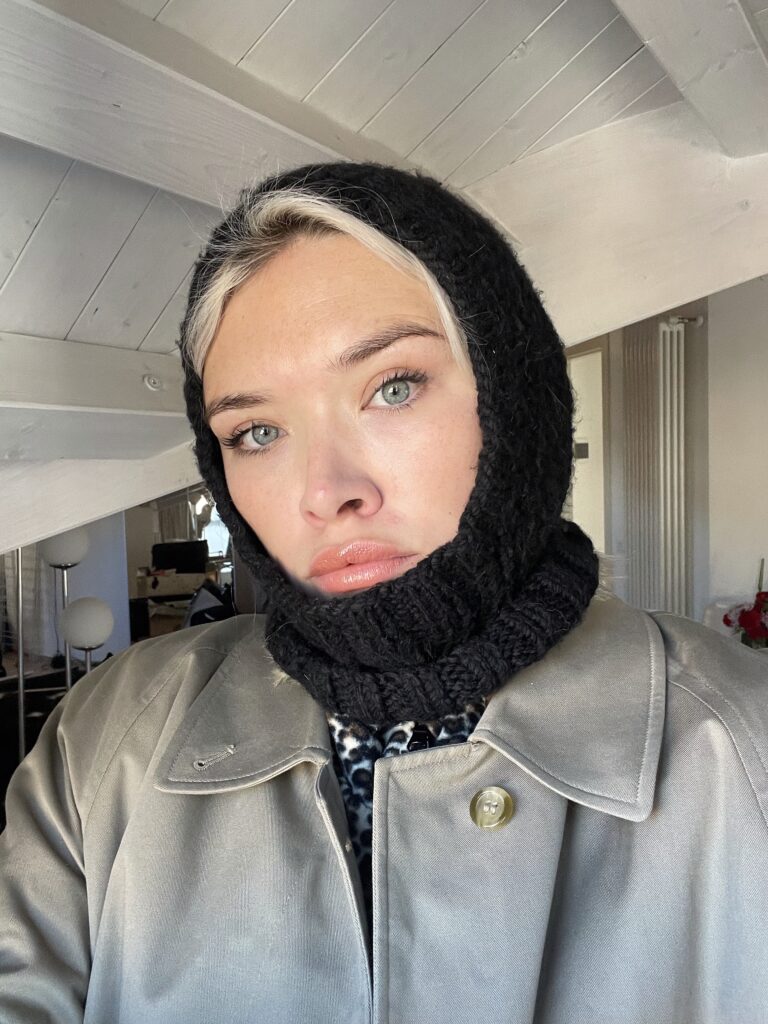
APR MAG: Hey Abby, let’s start with an open question about you. What is it, that moves you?
Abby Bucknall: In my daily practice, it's about telling authentic stories that link to humans in a very general sense. I grew up working on market stalls with my mom and my granddad. From a very young age, I was constantly interacting with people. I always loved to listen to their stories. That's been with me for the majority of my adolescence and youth. As I started working with Napapijri, it was more about telling the true story not the polished version. Even if it's just capturing the way a person smiles - that's what really moves me. When you look into someone's eyes and you really understand what they're feeling.
APR MAG: Before you worked in creative direction and marketing, you've worked as a set designer. How would you say this influences your present work?
Abby: When I was younger, I didn't know what I wanted to do. I just knew I didn't want to study. I knew I didn't want to do anything academic. I loved history, I loved understanding what came before us, but I didn’t want to pursue an academic career. I went to college, studied textiles and learned how to make clothes. When I was there, I was asking myself why I was even screen printing. I didn’t get it. I wanted to dive into the sensorial exploration of how people feel. This is where my journey with set design really started. When I finished university, I started to work with a magazine, making small vignettes of sets and recognized that when changing something from green to blue, your emotions totally change.
I became obsessed with color theory, sensorial touch. It’s about how we, as humans, change our perception of space depending on what's around us. When I was working at Selfridges, I’d have 15 windows to manage. These windows were like a blank canvas for every six months to change. I think this sensibility and learning heavily influences my work because my brain doesn't just think about the creative aspect, but also about the emotional response a photo evokes. It’s about how I want people to feel. Especially color theory is a really important part of my work.
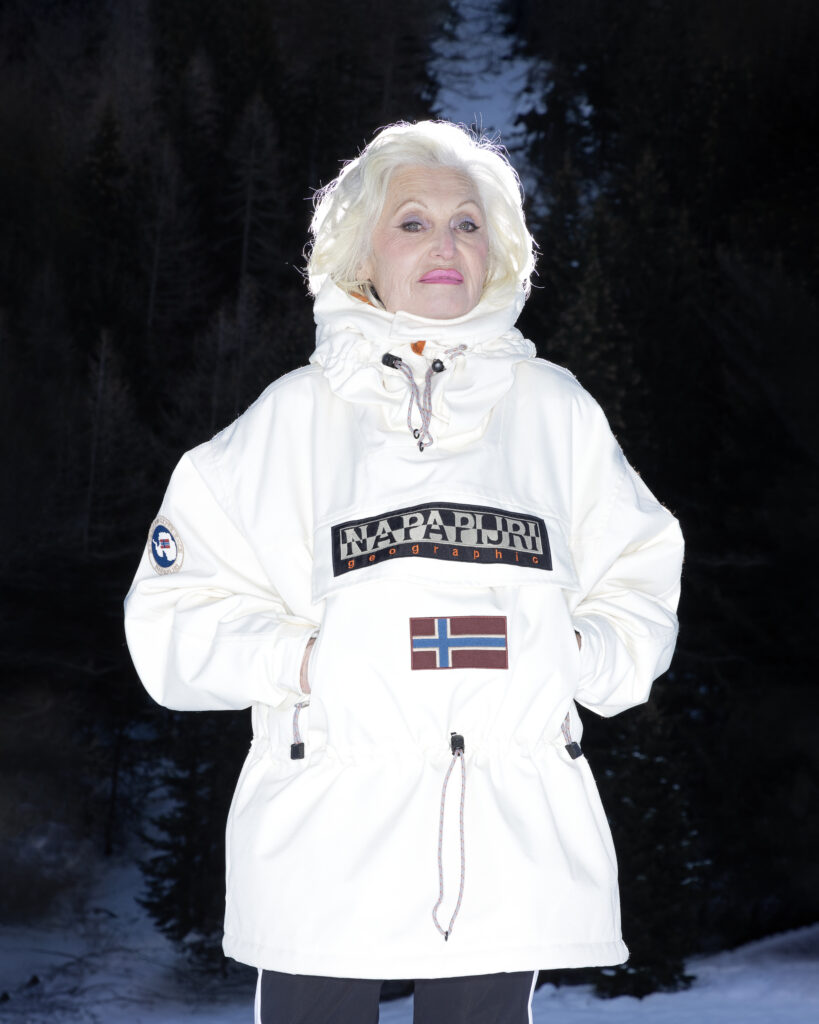
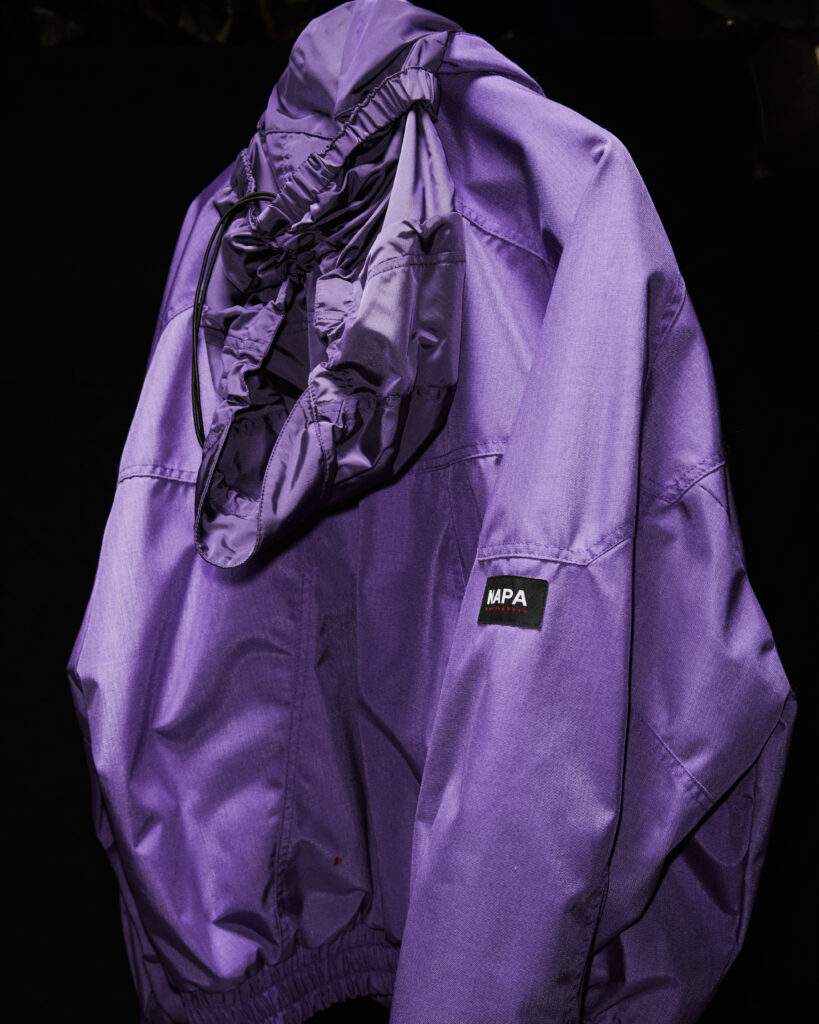
APR MAG: How did your shift from set/spatial design into creative direction work for you? Was that something that happened naturally or something you specifically aimed for?
Abby:I was still very young when this started. I got offered the job at Napapijri at the age of 25. I was living in Australia. I didn't fully understand what creative direction was. I didn't know how a global role would look like. A lot of what you’re doing in creative jobs is not taught in school. Obviously, there are some courses you can do at uni, but in terms of creative language and flow, it's a feeling and a sensibility that is very hard to teach. Lots of people I know are in jobs they didn't study for. Maybe their sensibility leads them to what they're doing now. I guess my naiveté at that time is what pushed me to be playful. When we were both 25, a friend of mine and I did our first campaign together. We were building high-budget sets but we literally didn’t have any money. We were highly motivated, we wanted to try out new stuff and we followed our intuition. That's what's beautiful about being young.
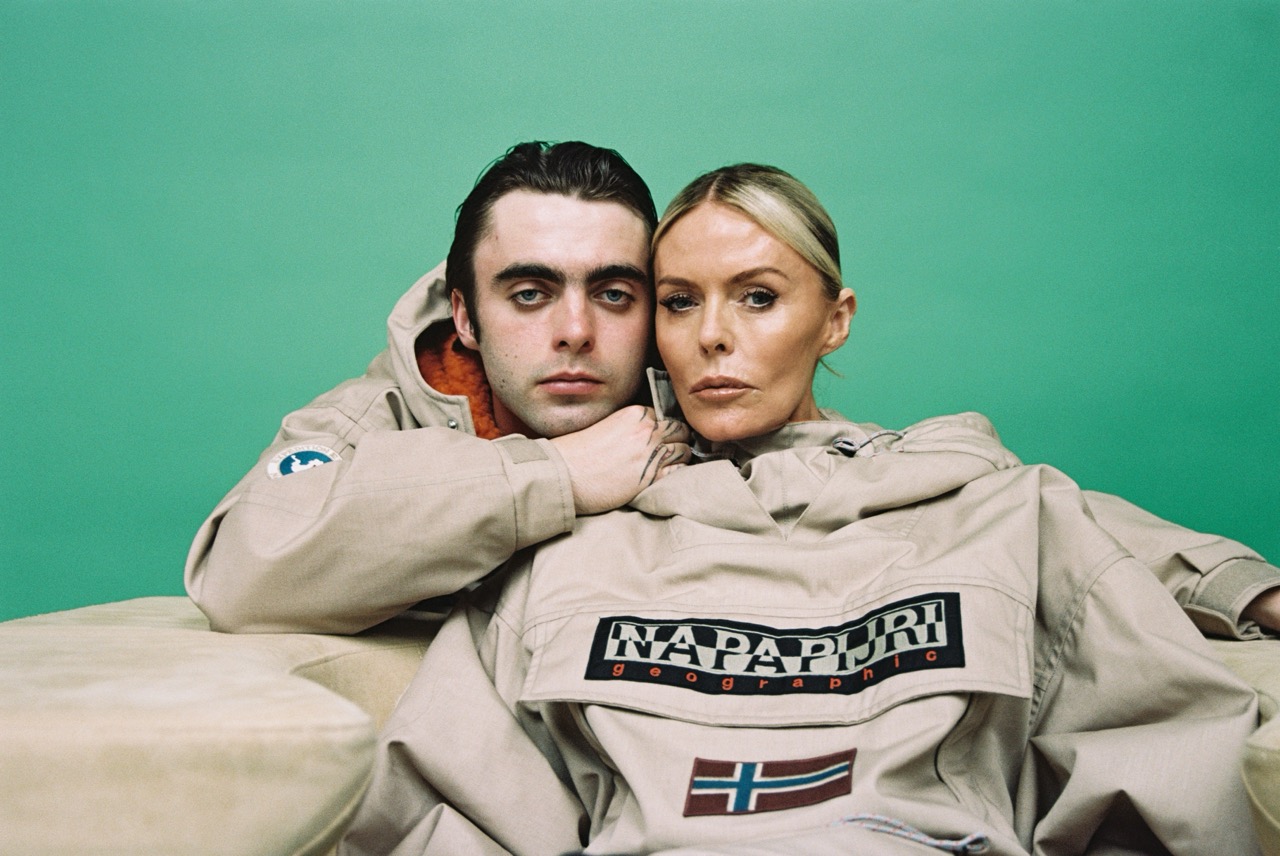
APR MAG: Did you ever feel like you had to prove your intuition?
Abby: To be honest, I feel like being a young woman, some people look at you as if you're crazy. Often, you have to really push for people to follow your intuition. It’s interesting since a lot of ideas I’ve been working on had initially been declined - only to resurface later as successful concepts. Many people don't trust intuition because it's risky and not measurable. I really believe that you need to look for these qualities in people, though.
I would absolutely hire somebody who had never worked in the industry before. I’d love if this person would have an alternative way of thinking because that's what this industry needs. Imagine a camera operator just slightly adjusting the light because he or she felt it would improve the scene - these small actions can change the entire mood and outcome of the shoot. That’s the kind of energy and awareness I value: the ability to trust your gut and respond to what’s in front of you, even if it goes against the expected. That’s intuition, you know.
APR MAG: Coming into a new position, especially at an established brand with such a long history, I assume it’s hard to immediately make an impact. Still, we can see a clear shift in the brand’s marketing since you’ve started - could you give us some insights into your vision for the brand and how you approach a new role like that?
Abby: For me, the vision of the brand must always remain connected to its origins. Vibram FiveFingers is born from a revolutionary idea—shoes that mimic the natural movement of being barefoot, first designed for mountain environments. But they also need to exist and thrive in today’s modern, complex world. The essence of the product is about transformation and rethinking how we move and live.
I often go back to this Olympics book from the 1980s. It’s filled with rich, emotional imagery and beautifully graded visuals. There’s this one photo of a swimmer emerging from the water—you can feel their emotion. That’s the kind of energy I want to bring to FiveFingers. It’s not just for elite athletes—it’s for anyone who wants to feel different, who’s looking for something outside the norm. In fact, that sense of being overlooked or underestimated is what makes FiveFingers so powerful. The five-toed design is unapologetically unique—it stands out. And in doing so, it invites people to embrace their individuality.
My vision is always to challenge convention. If everyone is moving left, I want to move right. I believe that’s where the most meaningful creative work happens—when you resist the obvious and lean into the uncomfortable or unexpected. That one decision—pairing the shoes with an unexpected background paired with an emotion—set a new visual tone. Suddenly, the images feel different from what other sports brands were doing. That experience affirmed something important for me: that differentiation can come from intuition and adaptability.
APR MAG: What were the challenges you’ve had to overcome to make a brand like Vibram trust and believe in your vision?
Abby: What I’ve learned over time is that the first step isn’t to challenge everything—it’s to understand what exists. I had to take a close look at the company’s traditions and figure out how I could shape my own ideas around them, rather than bulldozing them entirely. I also reminded myself that my job isn’t just to push for change, but to become part of the brand—to speak with its voice, not just to it.
Over time, as people started seeing the results and momentum behind this new energy they started to believe in it. That trust doesn’t come overnight, so building credibility takes time and persistence.
APR MAG: Was that something that came easy to you or were there moments of doubt in that as well?
Abby: If I’m being really honest, it might come out of the need of not having too much time to think. Take for example the Chinese New Year project, Alberto Cantu and I were in the studio with the team and we didn’t have a fully developed concept. We knew we wanted to capture agility and some poses but we wanted to see how the models moved and interacted. Four days later, the campaign was live and we were personally texting it out to media contacts.
That kind of DIY, rapid-response approach doesn’t allow hesitation or overthinking. It becomes a cycle of need and response, and I happen to work well under pressure. If I had too much time to overthink and to get into the nitty gritty details, I think the results wouldn’t be as strong. Some of the best creative decisions come from instinct—and when you trust that, you can move quickly and still deliver something meaningful.
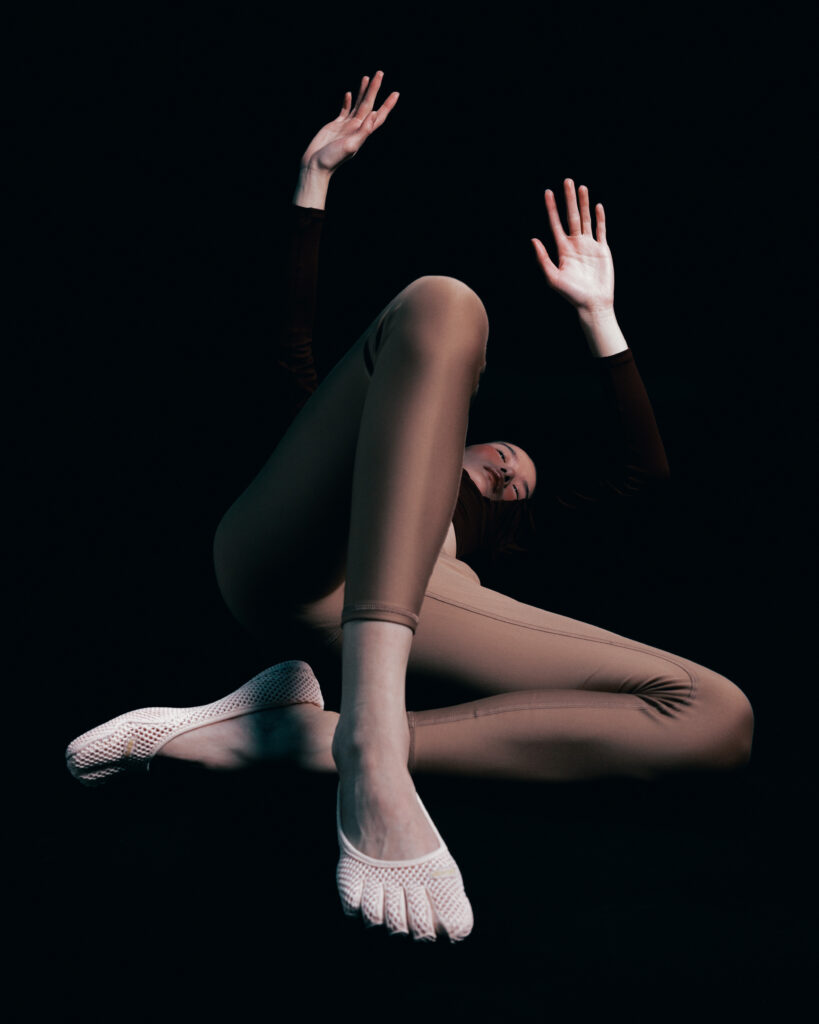
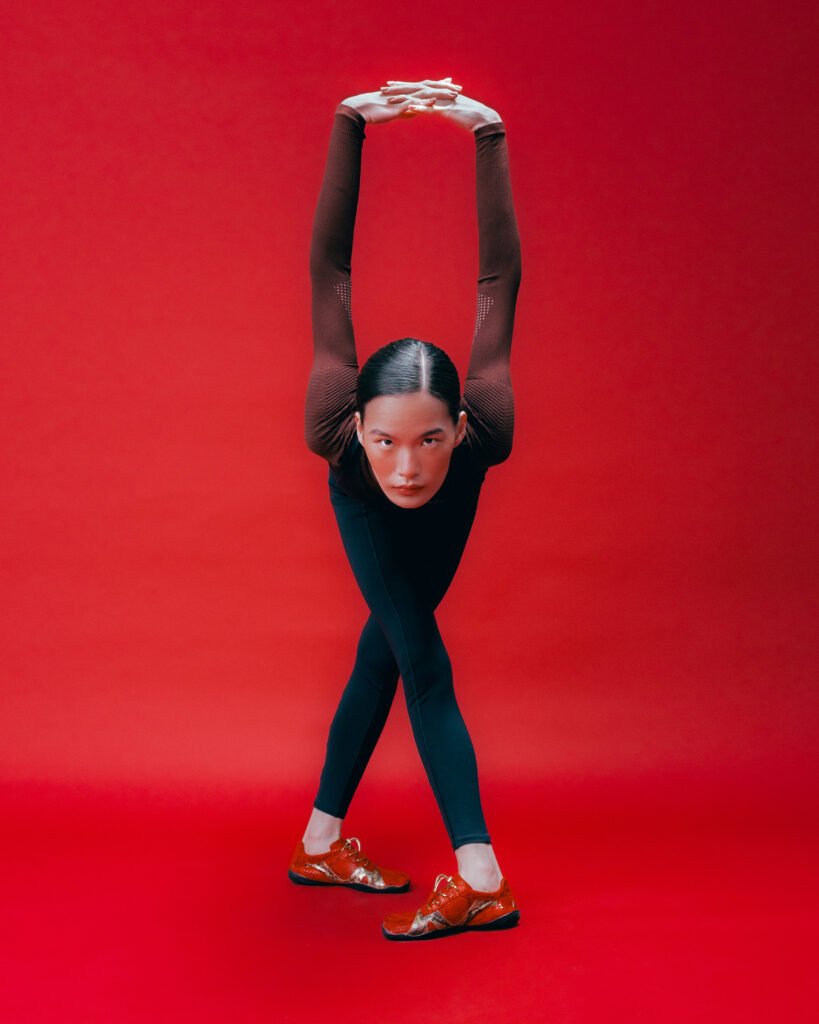
APR MAG: On a lot of the editorial work for Vibram FiveFingers, you’ve partnered with Alberto. Could you explain your partnership and what it is that makes this relationship so special?
Abby:I first met Alberto on set during a winter campaign in the mountains. The way he saw things—his visual perspective—immediately stood out to me. He was doing behind-the-scenes photography, and I remember thinking, I haven’t seen a vision like this in a long time - raw, honest, and cinematic.
I was actively looking for someone who was open to spontaneity and experimentation when I started at VFF. We ended up working on a smaller internal project for a sales meeting, which gave us the space to play around and test ideas. That was when I realized how aligned our creative instincts were. Until I met Alberto, I wasn’t entirely sure how I wanted the brand’s photography to feel but his eye just clicked with mine. When we collaborate, it’s like our brains are in sync—we challenge each other and push the work to a higher level. I genuinely value that. There’s a kind of creative bond between us, and I feel like we’re building something iconic together for Vibram Fivefingers.
Finding talent like that is rare. His ability to capture form, movement, and emotion through imagery is incredibly powerful. Today, with so many people labeling themselves as creative directors, photographers, or videographers, it can be hard to cut through the noise. But when you have the kind of sensibility we’ve been talking about you know when someone truly has it.
A lot of the visual work we see now feels interchangeable. It’s designed to feed the algorithms of Instagram and TikTok. That’s fine, but it lacks depth. So when Alberto came along, it really stood out. I think people are craving for new imagery.
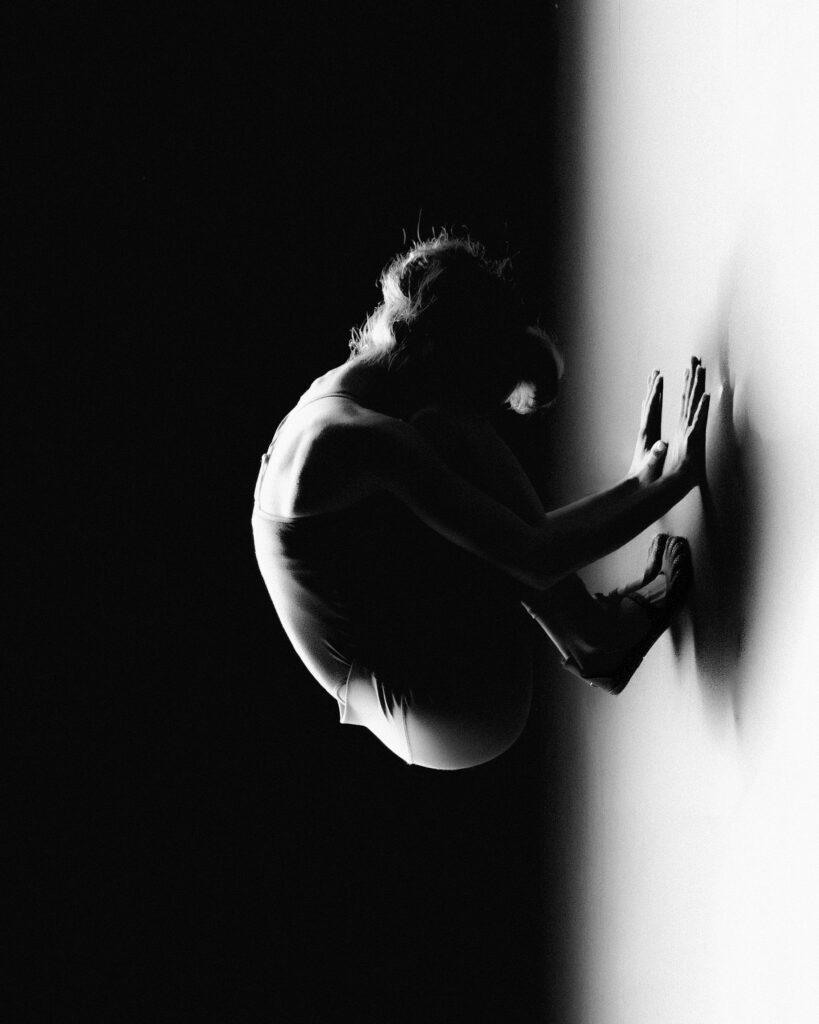
APR MAG: It sounds like you’ve got a pretty hands on approach, which is probably not usual for somebody in your role. I'd be curious to hear more about that. What is it about this approach that works so well for you?
Abby: I spent eight years working within very structured environments, where everyone had clearly defined roles. When you’re in the process of resetting brand image and have a smaller team, speed and the ability to wear many hats is essential. For me, this hands-on approach is a great opportunity to develop new skills. I’m very close with a lot of the creatives I work and I fully trust them. To truly live and create the environment you envision, you need to be fully in it—even though balancing that with other responsibilities can be challenging but it’s very rewarding.
APR MAG: So you're saying: no matter where you are, you should always be curious and try to learn something new.
Abby: I think that being curious and learning something doesn’t stop even if you’re the CEO of a company. Rolling up your sleeves and getting stuck in with the team is essential. Especially when it comes to marketing and inspiring people through your work, you have to be hands-on. Many big brands try to appeal to everyone, but I think it’s more effective to focus deeply on your core lane, cultivate it, and expand only when you’re truly ready.
APR MAG: From anything you've done in the past to what you're doing now and what you will be doing in the future. How do you consider movement in your work?
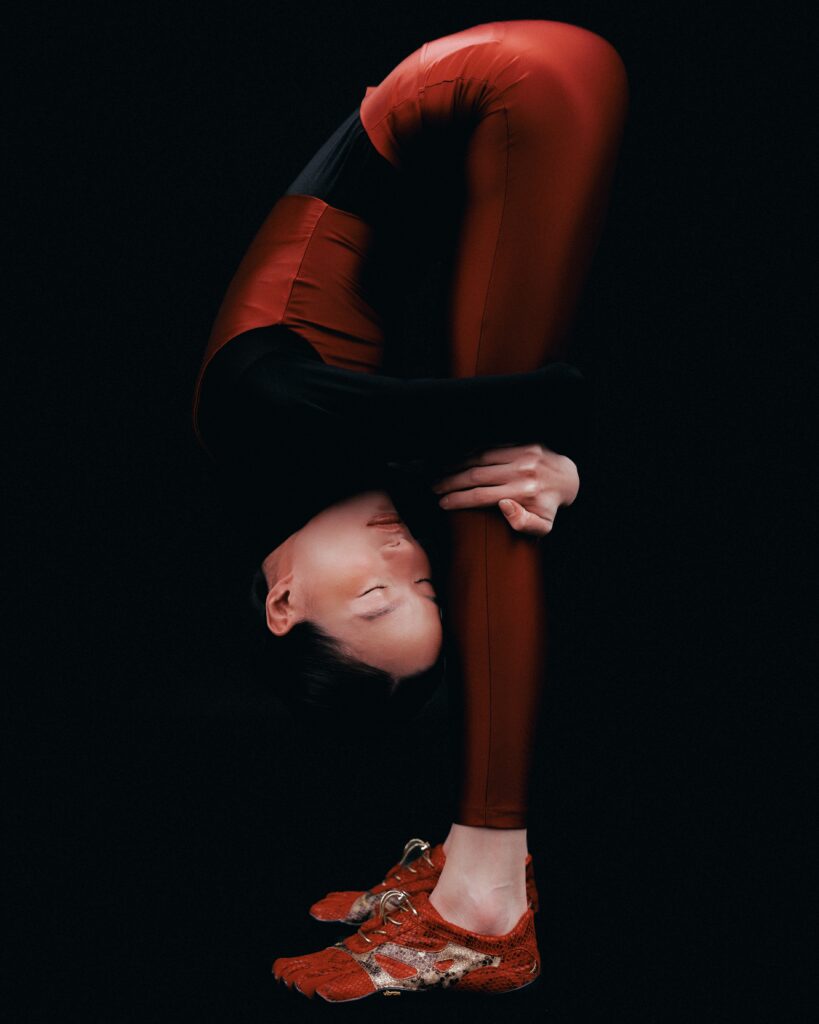
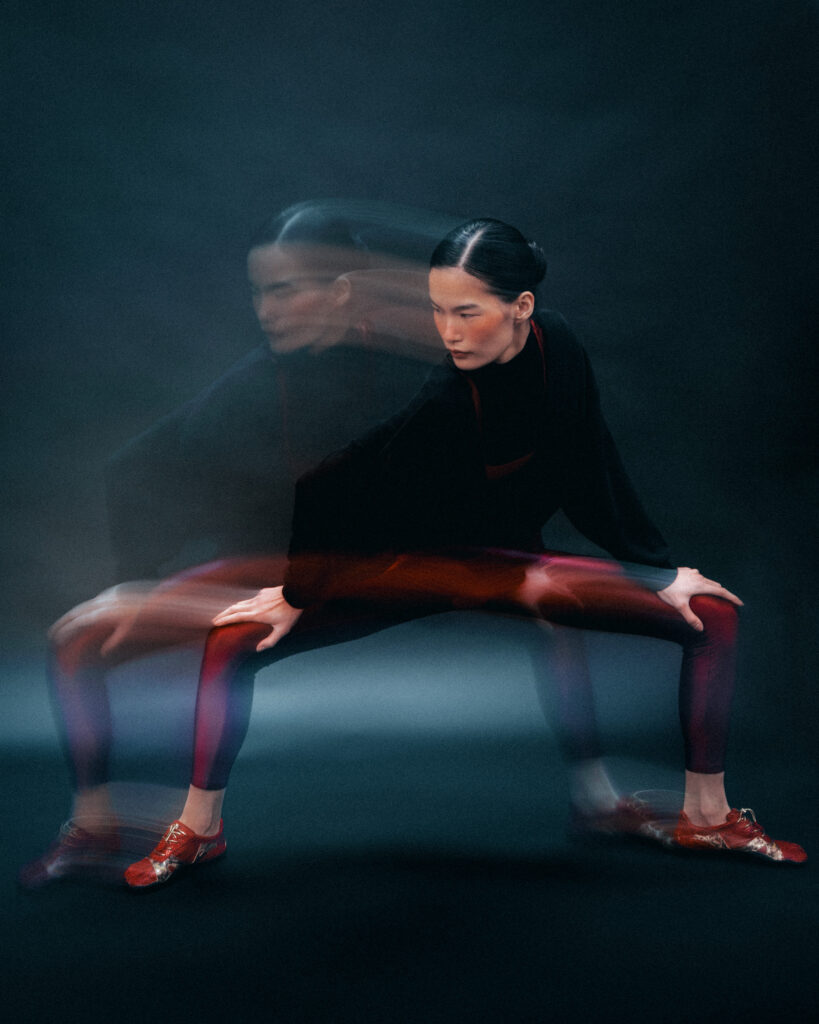
Abby:Before I started wearing FiveFingers, movement to me was much more technical. I’ve never liked movement through forced posing. For example, seeing someone in the mountains holding an unnatural pose just doesn’t feel authentic. With FiveFingers, the shoe becomes an extension of you—you want to experience the world through it.
That philosophy has completely reshaped how I see movement—it’s such a beautiful form to express yourself in every way you want to be. Movement should always feel fluid and connected to the earth.
APR MAG: How do you think this industry will develop?
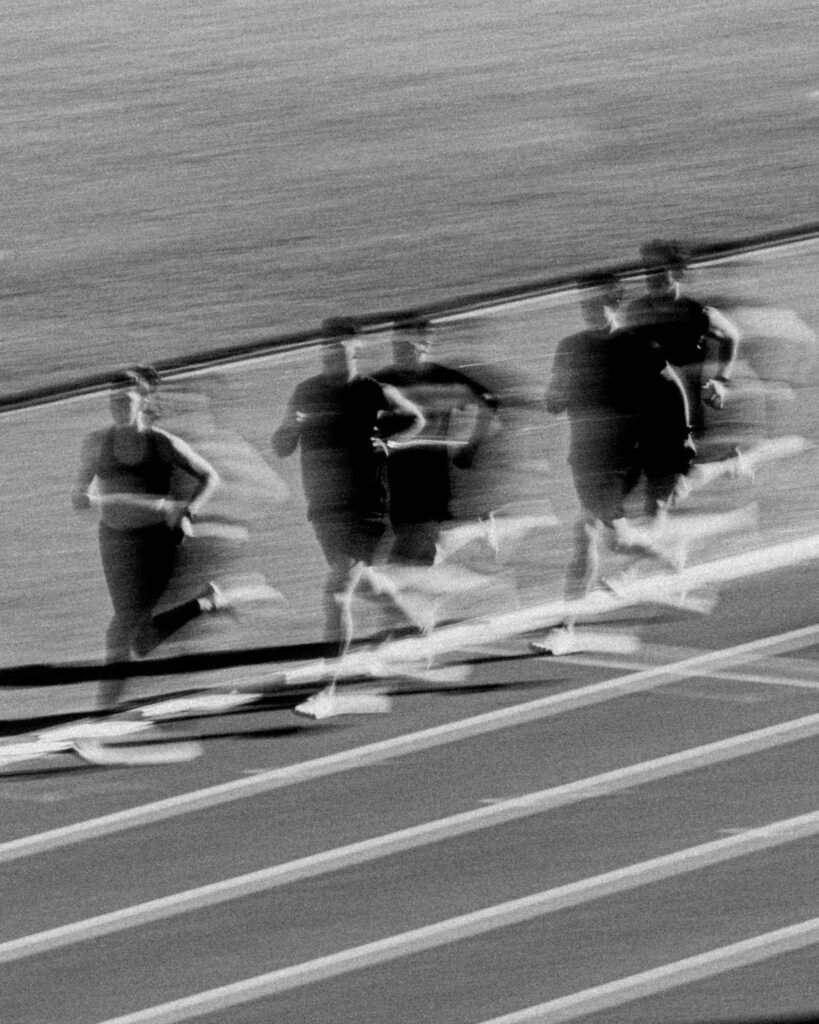
Abby: We live in a culture where, if something becomes “cool,” everyone jumps on the bandwagon. If a run club that was born out of friends wanting to meet on a Saturday now turns into something that every brand can earn money from, this evokes the thought that everything turns into a moneymaking scheme rather than a passion. Just do what you love, and express yourself in your own authentic way. Don’t forget the niche sports and communities that need support, funding, and platforms to thrive. At the end of the day, people just want to feel better and more connected. Historically, things were done differently, and we should continue to challenge and push beyond the existing molds.
Sure, there are tools that can help elevate and improve what we do, but the obsession with following the crowd can lead to something quite sad if we lose sight of what it means to be human. It’s important to embrace doing things for yourself—not just to showcase them on social media, but because it feels authentic.

Growing up in the 90s, we spent so much time playing outside. I had imaginary friends and created entire imaginary worlds. I think thats why I try not to constantly look at reference images or templates for what we should do next. I just want to trust the feeling. If you feel it, do it.
The worst thing I see is when people come with pinned photos dictating exactly how something should be done. Instead, you need to observe how a person moves, understand how they’re feeling, and follow that. Follow your intuition. If you don’t, you end up simply recreating what someone else has already done.
APR MAG: You’ve created real momentum with Vibram FiveFingers, and we’re quite certain that a new movement is beginning. Is that something you’re proud of — how does it feel?
Abby: It difficult when you start getting noticed for what you create. Lately, I’ve been experiencing this with more people reaching out to me, people I have admired in the industry for a long time. Honestly, I don’t always feel ready for it. Sometimes, I feel like an imposter in this industry. I want to hide because it feels like my journey wasn’t planned—it just happened. Being in the spotlight is scary. It can make you feel insecure. And I think these feelings are rarely talked about because most people want to present this view of happiness but it can be a lonely and intimidating place. That being said, I hope that if this is a new movement, it’s one filled with what I mentioned before more humanness, a return to authentic moments that truly speak to people, not just algorithms.
APR MAG: Thank you, Abby.