
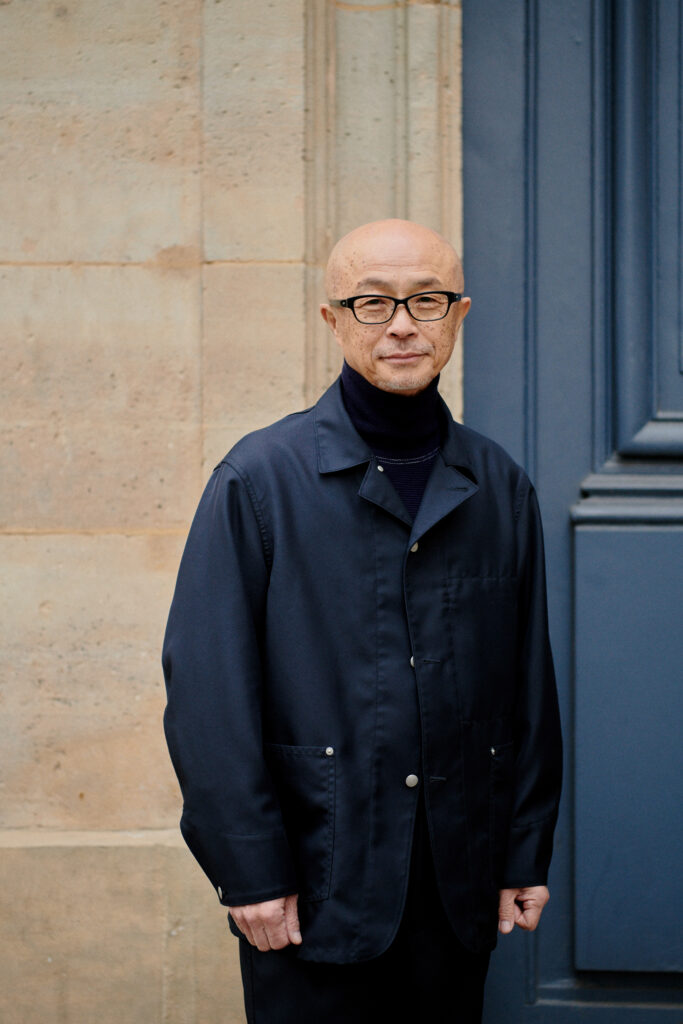
Meeting Eiichiro Homma is a humbling experience. He's calm, almost reserved, and extremely polite. He listens carefully and speaks thoughtfully.
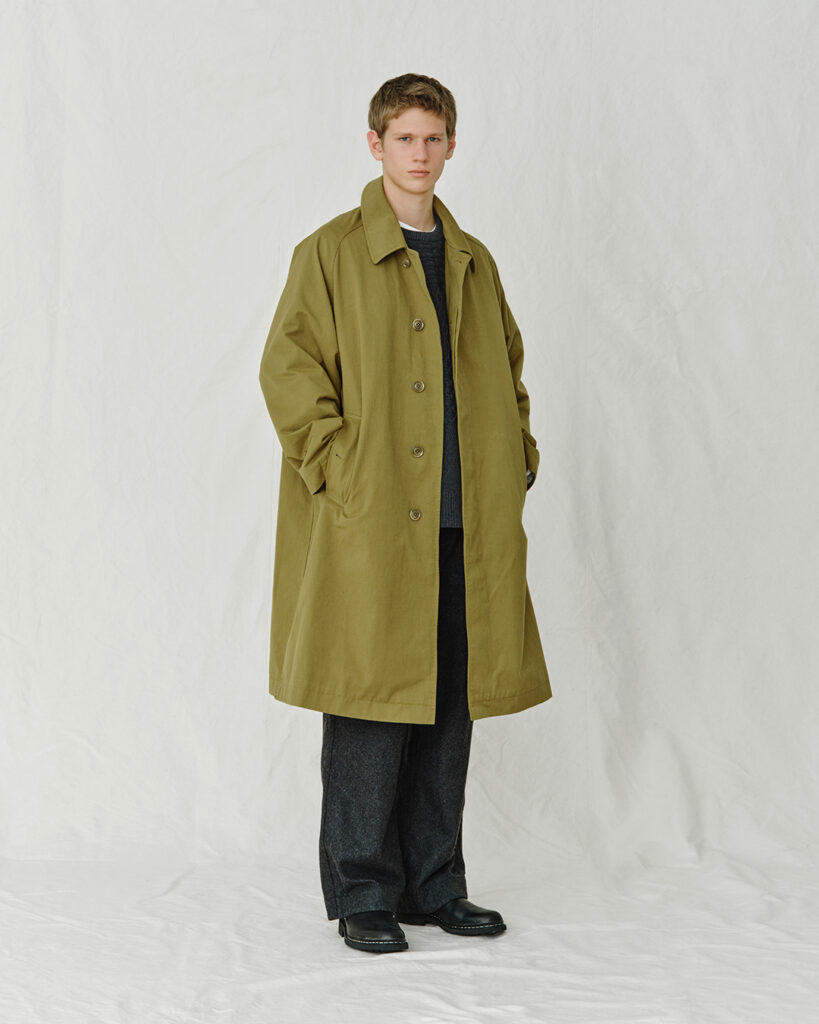
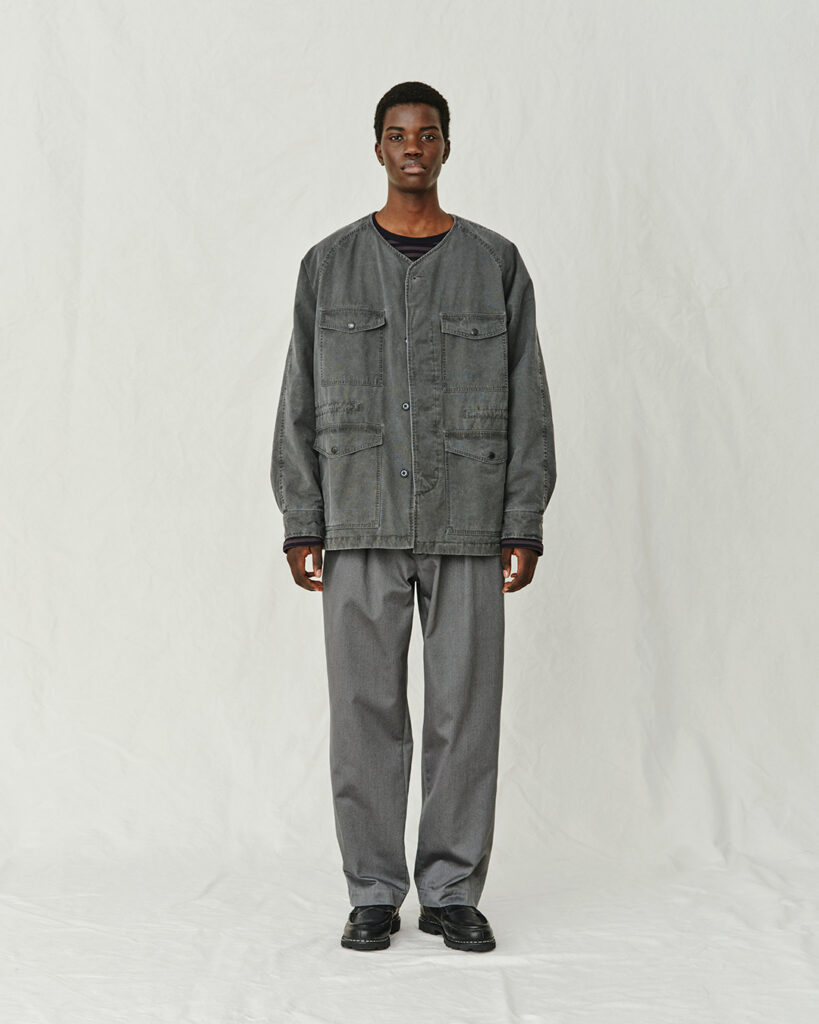
You could say the same about his clothing brand, nanamica. Founded in Japan in 2003, nanamica blends timeless, classic design with functional fabrics. Loosely translating to "House of the Seven Seas," the brand creates universal garments that transcend trends and overcome borders.
APR MAG met Eiichiro to talk about how he balances emotio and ratio in his designs, the importance of the silhouette to the brand, how his studies in sociology and psychology shape his work, and what nanamica and The North Face Purple Label can learn from one another.
APR MAG:
Hey Eiichiro, how would you describe the feeling of wearing a nanamica product to someone who’s never worn or felt one of your garments?
Eiichiro Homma:
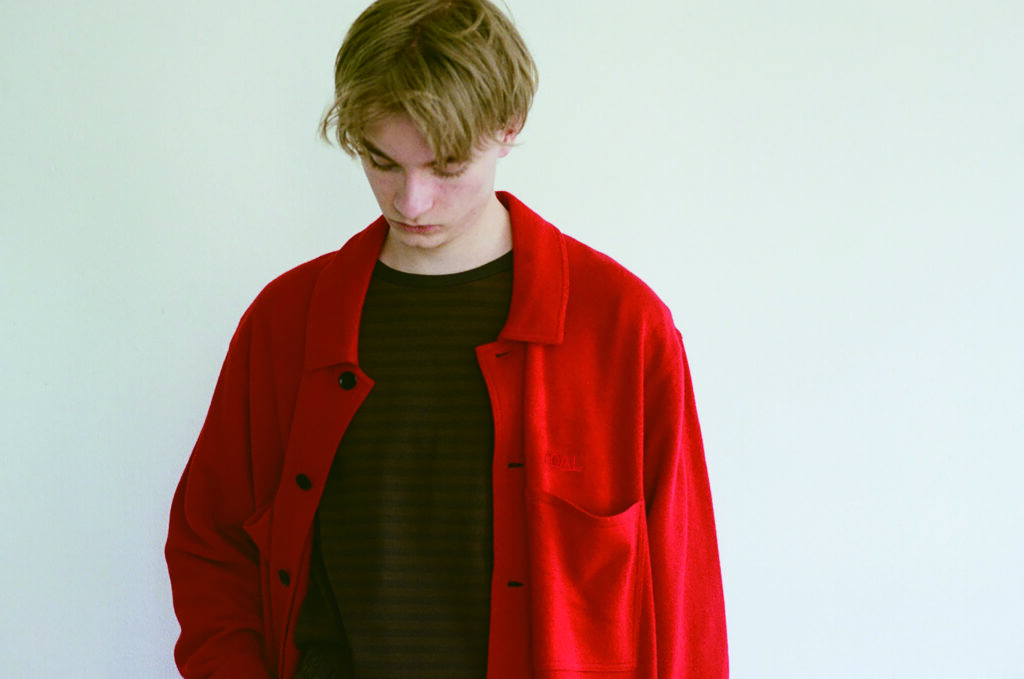
Wearing nanamica feels quiet, for some it might seem basic. The garments don't stand in front of you, they gently stay a step behind. It may seem ordinary, but over time, you’ll to notice their comfort, balance, and presence.
You will always remain the main character, yet somehow people will notice what you’re wearing. They might notice it’s clean looks, but it will always stay behind, balancing details and features. We truly believe that the main character must always be the human being.
APR MAG:
In nanamica's archive publication, you write that your goal is to design "supremely functional clothing, even in stormy seas, that is stylish enough to wear everyday“. How do you define functional and style?
Eiichiro:
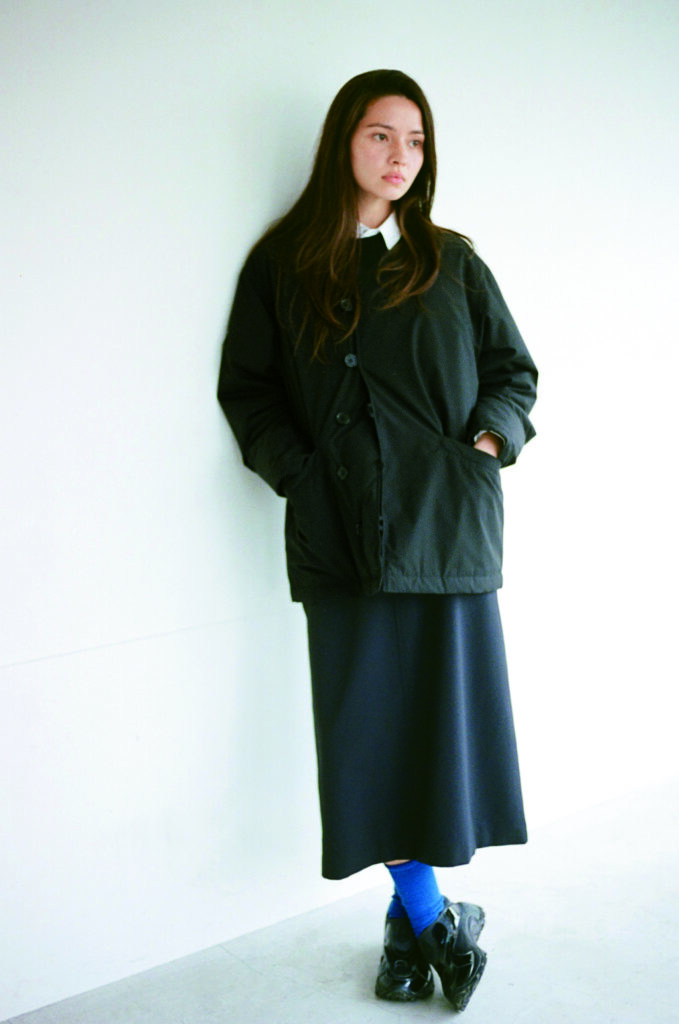
This goes back to the many years of experience I’ve gained in the technical garment industry. Function begins with protection from rain, wind, and cold. It’s about maintaining comfort close to the skin and to allow the body to move freely - these are the physical benefits of functional clothing. Functionality is not only for extreme conditions, it is about how naturally a garment fits into your everyday life. When talking about style, we don’t mean decoration. Style is about finding a subtle balance where material and form come together quietly, without any excess. Then, something timeless appears.
This is what we chose for nanamica. We do have the knowledge of “extreme” functionality, we do have the technical developments - but we look at the reality. We transform modern technology into real life garments. We do have all the knowledge on extreme conditions, however each garment needs to meet the demands of reality. It needs to have a real benefit for people.
APR MAG:
In today’s apparel industry, that’s rarely the case - there are so many trends and changes. How do you manage to stay true to yourself?
Eiichiro:
It’s not like we’re fully against trends, but we don't chase them. We always need to adapt our reality to the feelings of the present. Trends move quickly, but the people’s lives move slowly. If technology continues to evolve, the most rational clothing might become something like a jumpsuit, right? Minimal, purely functional. But clothing is not only about logic, it needs to resonate with the human emotion.
We stay grounded in function while allowing space for sensibility, for the feeling of our time, and for the people who share our taste. We try to keep our original taste and adapt it constantly. It needs to match with what we’re feeling right now.
APR MAG:
How do you manage to move slowly, how do you keep your balance?
Eiichiro:
It’s hard for me to explain. One aspect is, that we don’t produce the exact same garment again and again. We make small adaptions. At the same time, we never forget our very original taste, which we love and which our loyal customers love, also. We as human beings always look for something fresh, for new elements or aspects. That’s the balance we’re trying to find. Matching the feelings of our time with our taste principles.
APR MAG:
Talking principles, nanamica has this instantly recognizable wide silhouette, while avoiding visible branding. What’s the importance of the silhouette for you and why did you decide not to have logos on your garments?
Eiichiro:
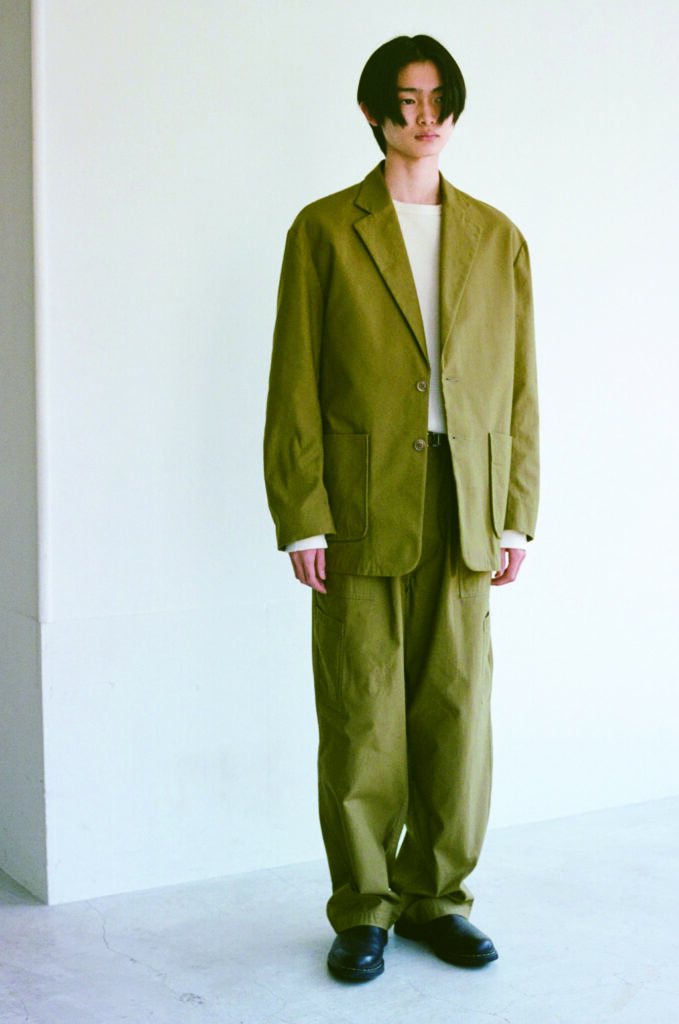
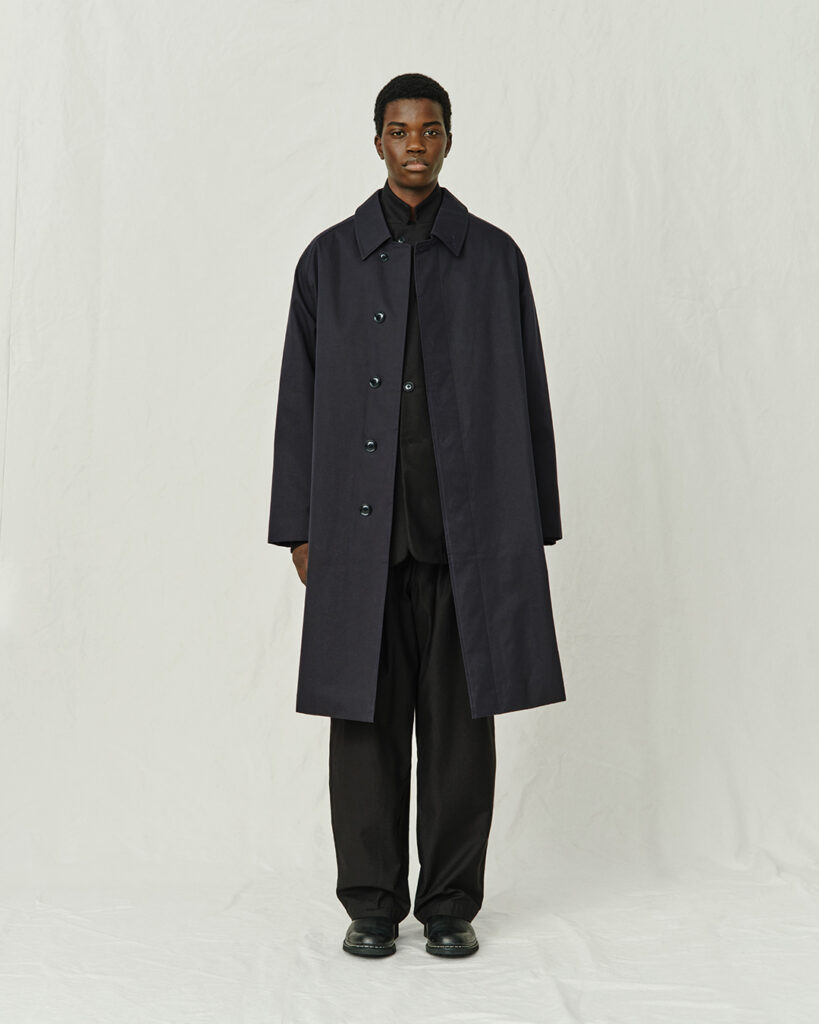
The answer is simple. Threads speak a quiet language within the family of garments, whether in a jacket or a pair of trousers. It is the silhouette that reflects its time. Logos speak across centuries. Threads rebuild themselves slowly through movement, distance, and wear. As you just mentioned, nanamica is currently recognized for its oversized silhouettes. However, when we founded nanamica in 2003, and through to 2017, we produced very slim silhouettes. Even with The North Face Purple Label, our first products were defined by making them smaller than an authentic The North Face jacket. That was simply what people wore at the time. We don't change our silhouettes every year. It's a quiet language, and a key part of our design.
We choose not to use big logos because I don't feel the need to announce what I'm wearing. If we were aiming for a more commercial business, using a big logo would be a common marketing solution. But for us, our genuine value lies in not needing to announce what we're wearing.
APR MAG:
Very humble and understated.
Eiichiro:
It's a combination of all the information, whether that comes from our website, our social media presence, the garments themselves, or the people who wear our brand every day. Today, everyone uses the internet to communicate. If we reach the right consumers who share our values and taste, they also help to create the brand's virtual image.
APR MAG:
You’ve graduated in sociology and psychology. How do your studies on human behavior and on the human mind inform your work?
Eiichiro:
Once there are two people, a society begins. Within that, people start to wonder how to express themselves and how they are perceived by others, choosing a particular garment within a given space. We think about how our values can take form and what kind of garments can support a more fulfilling everyday life. We think about how people want to express themselves and how they want to be seen. Our garments should match both these needs. When we look at the market and at our customers, we do think within these structures.

APR MAG:
In a modern world, with AI taking up more and more space even in creative jobs, a lot gets rationalized. How do you keep making clothes that aren’t only rationally but also emotionally appealing to fashion and outdoor lovers alike?
Eiichiro:
What we create are not products of pure calculations or pure logic. They are worn by a human body. Functionality alone is not enough, there must also be emotions. AI may guide us towards optimal solutions, but individually, nuance and character still come from something more personal and we try to leave space for that. Even if our garments might look basic, something we like to offer is to make people who enjoy nanamica garments feel a little different from others. Often, it’s not rational reasons that make the difference. Even if we look basic, common, or ordinary, we think we should have an individual presence within the society. That's why, you know, there is some space in between AI and our thinking as a human being.
APR MAG:
How do you create this space for character and nuance?
Eiichiro:
It’s a private, individual direction and taste of ours and we try to refine it constantly.
APR MAG:
So it's a very personal process of reiteration?
Eiichiro:
Exactly. Since we mentioned we are not chasing trends, we don't move too quickly. But we are here and we try to refine more frequently.
APR MAG:
nanamica loosely translates to "House of the Seven Seas," giving the brand a universal perspective. When you think about designing clothing for everyone, what is the core DNA of creating garments with universal appeal?
Eiichiro:
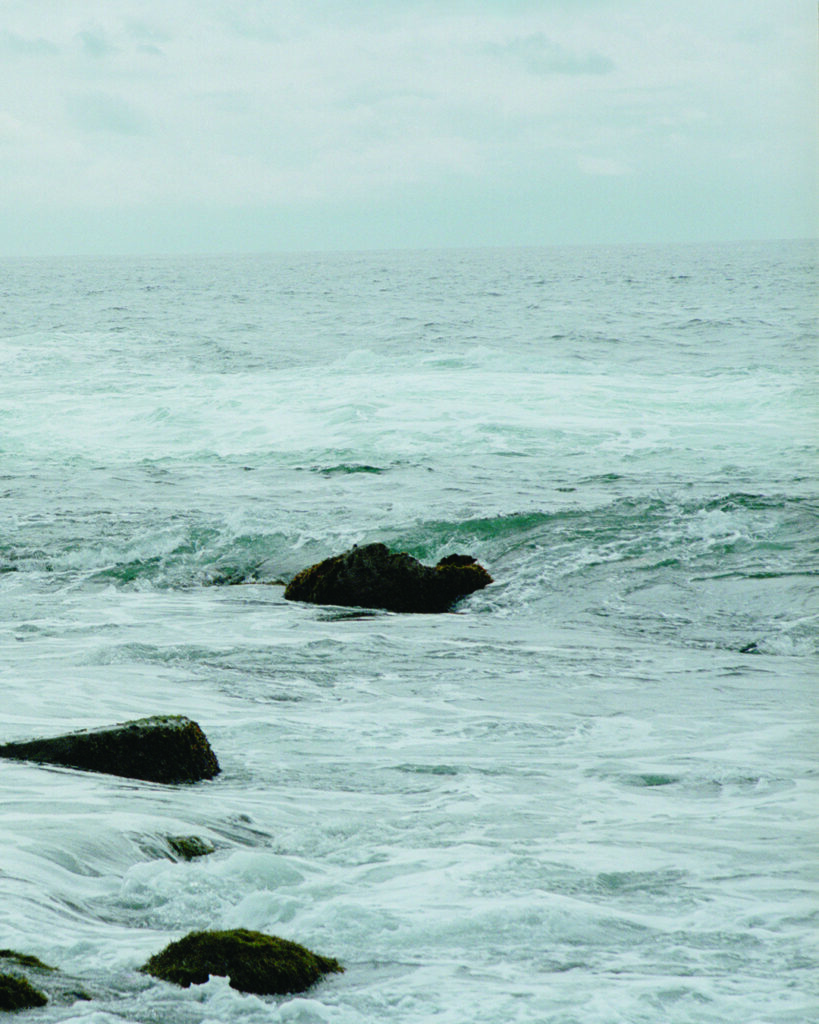
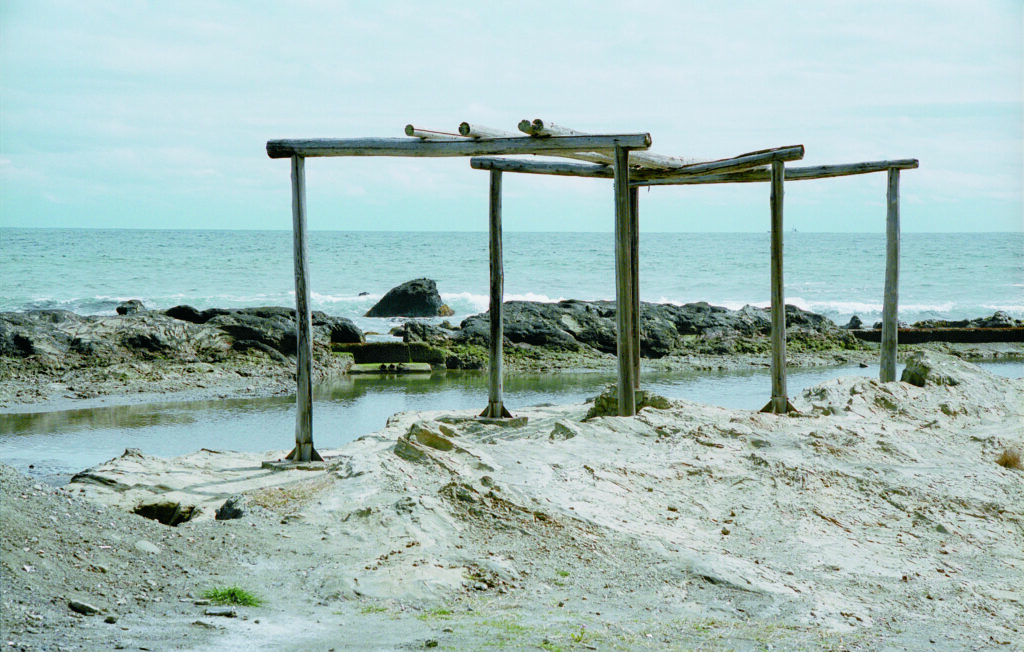
At sea, we can’t physically see the borders and the ocean is always moving. All people across the world are connected through one shared body of water. In the same way, cultures meet and evolve. Our clothing is simple and functional, a quiet reflection of the present. Through the unique way each person wears it, it becomes something different and personal. When we stand by the sea, when we look out at the ocean or think of people who love it, we think of open minds. The environment they're in can change every second. When we chose the name nanamica, we imagined standing on the east coast of Japan, looking across the Pacific Ocean toward Hawaii. In that moment, we felt connected.
Cultures must meet. They begin to merge and create new mixtures, new cultures. Without communication, movement, and information, cultures would never encounter one another. At the same time, if there are no borders, people from one side can simply decide to move to the other. Thanks to technology, we can see each other and start a conversation. Two cultures can now connect easily and create something new.
APR MAG:
nanamica is known for innovative fabrics such as Alphadry, you’ve also developed brewed protein fabrics with Spiber. When exploring new fabrics, what is it that you’re looking for?
Eiichiro:
As you know, I've worked at Goldwin as a designer of technical outerwear for more than 18 years. During that time, I spent many years developing high performance materials at the highest level. When I started nanamica in 2003, we built on that expertise to create materials that combine seemingly contradictory qualities: natural and technical, soft and durable, adding a new dimension to functionality. Thanks to the latest technology, these seemingly contradictory qualities can now come together, cotton GORE-TEX being one example. We are looking to create materials that feel more familiar, more natural, and more comfortable.
Today, many brands are moving toward functional casual wear made from high end synthetic fabrics. We also use these materials. However, we try to add more natural fibers, such as cotton and linen. The jacket I’m wearing right now, is made from 100% polyester, but the special shape of the yarn given by the machine creates the look and feel of a wool textile. A fully polyester fabric is easy to maintain, easy to dry, and wicks moisture effectively. Our core value is a hybrid of fashion and function. Fashion, function and sustainability on the highest level, without compromise, is our fundamental philosophy.
APR MAG:
Next to nanamica, you’re also responsible for The North Face Purple Label. Both brands are under the same roof. What is it that the two can learn from one another?
Eiichiro:
nanamica and The North Face Purple Label are created in the same kitchen by the same team. nanamica is our purest expression, the foundation of our thoughts and values. We are all nanamica. The North Face Purple Label takes those same values further, expressing them through an outward looking spirit while drawing from The North Face's materials and archives. That’s why The North Face Purple Label looks different. However, we think of nanamica as a pyramid and Purple Label is a part of it. We are considering Purple Label as part of the same team - all our products are nanamica and there is no space in between. We draw from the same materials and archives, it’s a collaborative project of North Face Japan and nanamica. So somehow, they share the same origin, but are expressed in different ways. There is a dialogue between nanamica and The North Face Purple Label and through that exchange, both brands can evolve. Sometimes we swap our teams internally, so everyone can work on both - nanamica and The North Face Purple Label.
APR MAG:
It's amazing to hear you speak about your teams as family, that gives it so much personality and character. We know that you’re an ocean lover - do you think the world would be a better place if everyone would spend more time at the ocean?
Eiichiro:
Yes. At the ocean, borders disappear and everything is in motion. It reminds us that we are all connected. If people could share that feeling, even if only for a moment, the world would become more open and more kind. When I am at sea and can't see anything but water, everything looks the same. Everyone should respect one another, regardless of culture, language, physicality, or body. If we see the world as connected, as one, without the mentality of borders, people should respect each other and be kind to one another. Then the world would be a better place.
APR MAG:
Thank you, Eiichiro.