SIGNALS

 — 
February 24, 2026

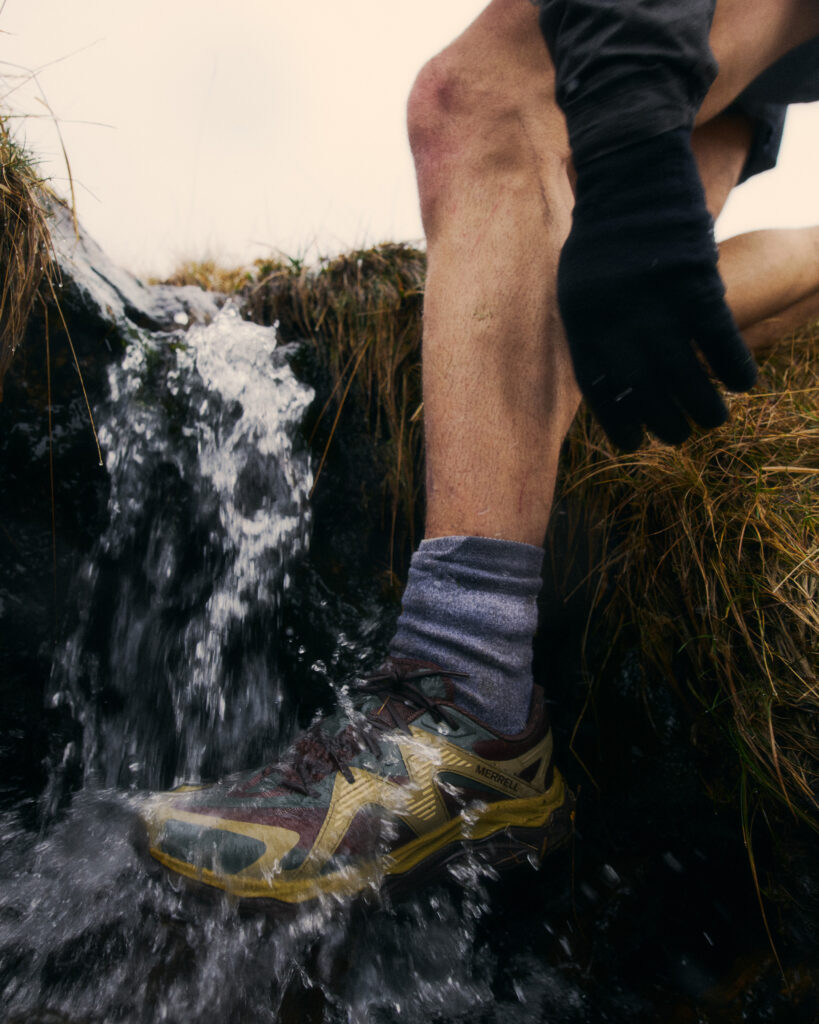
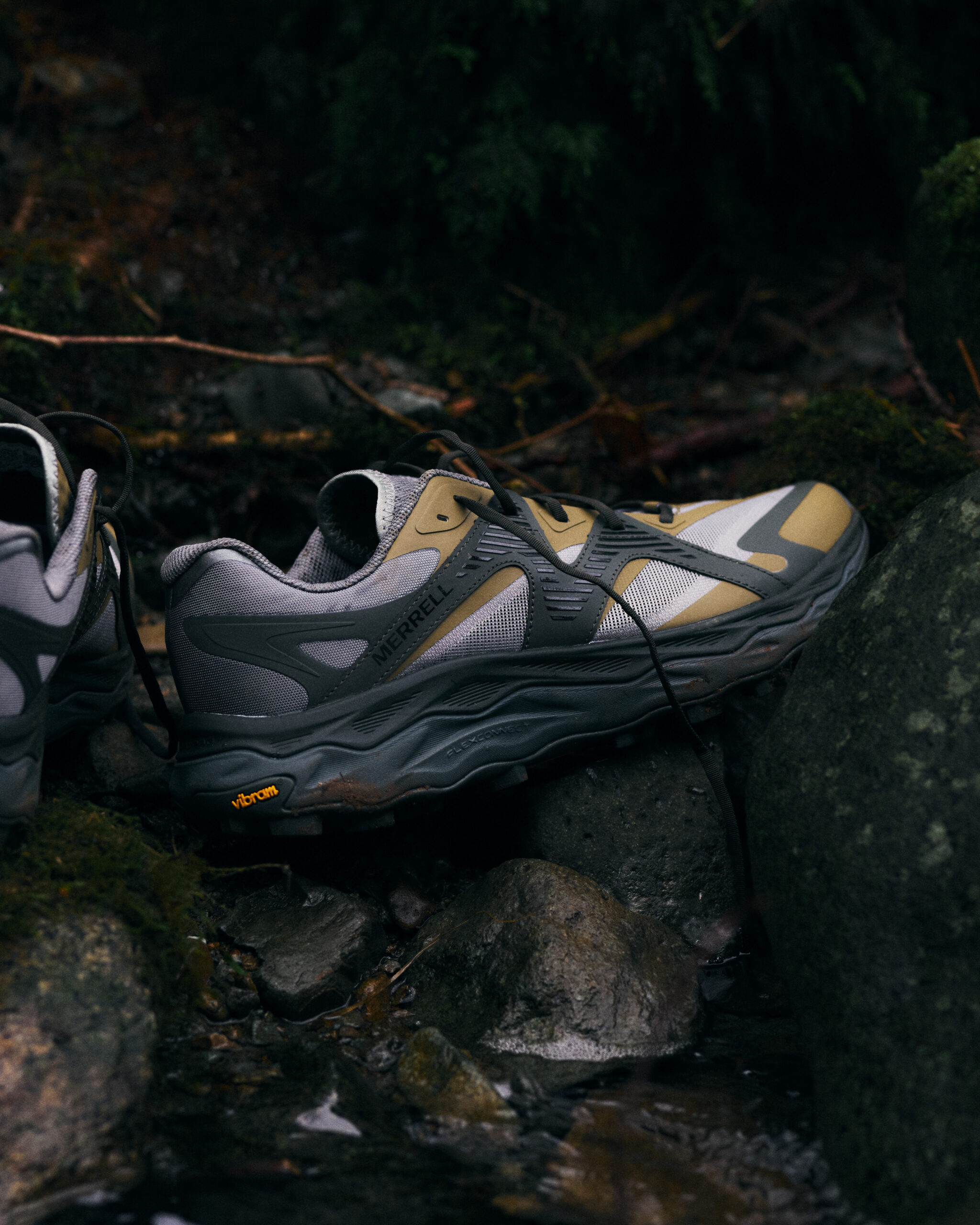
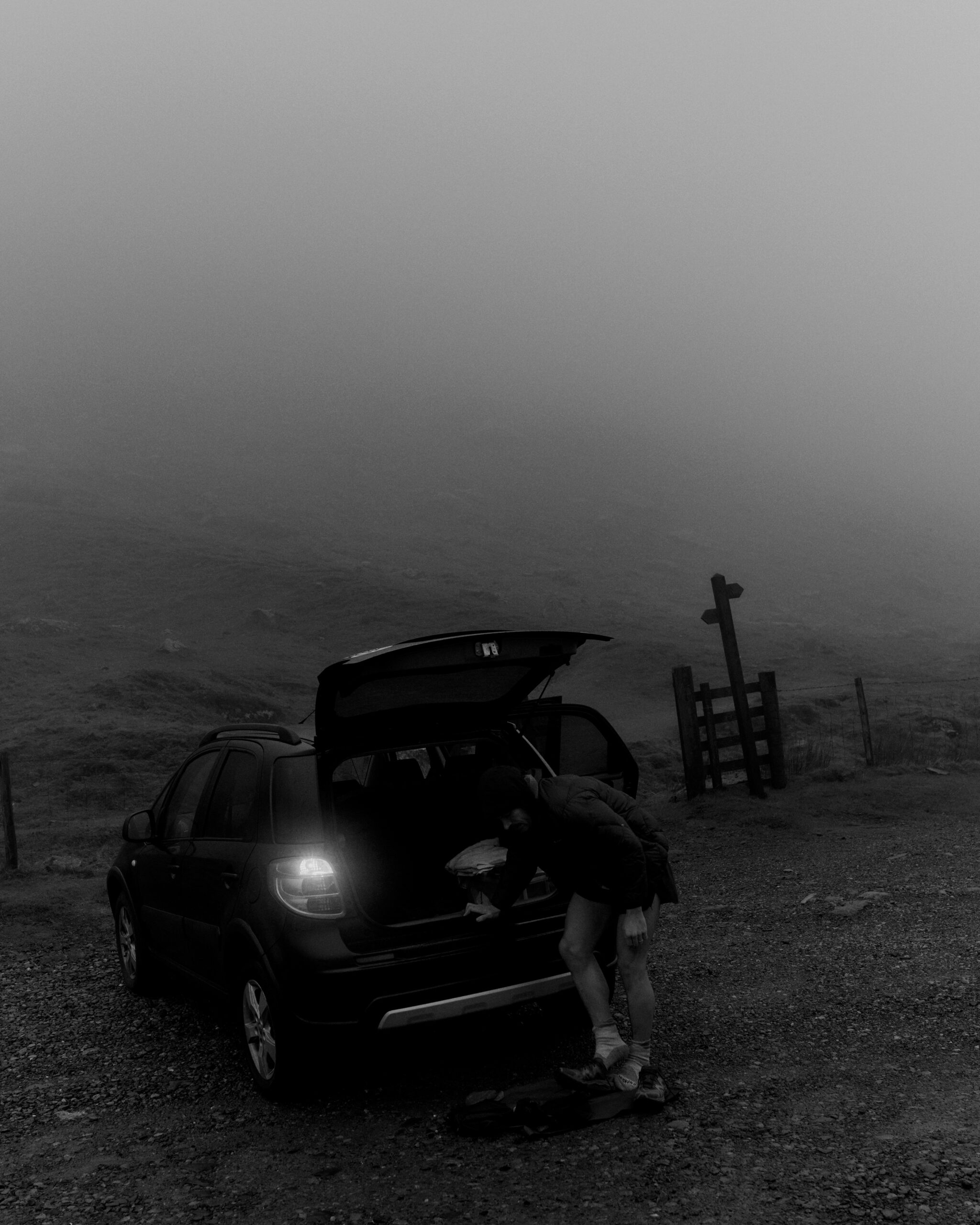
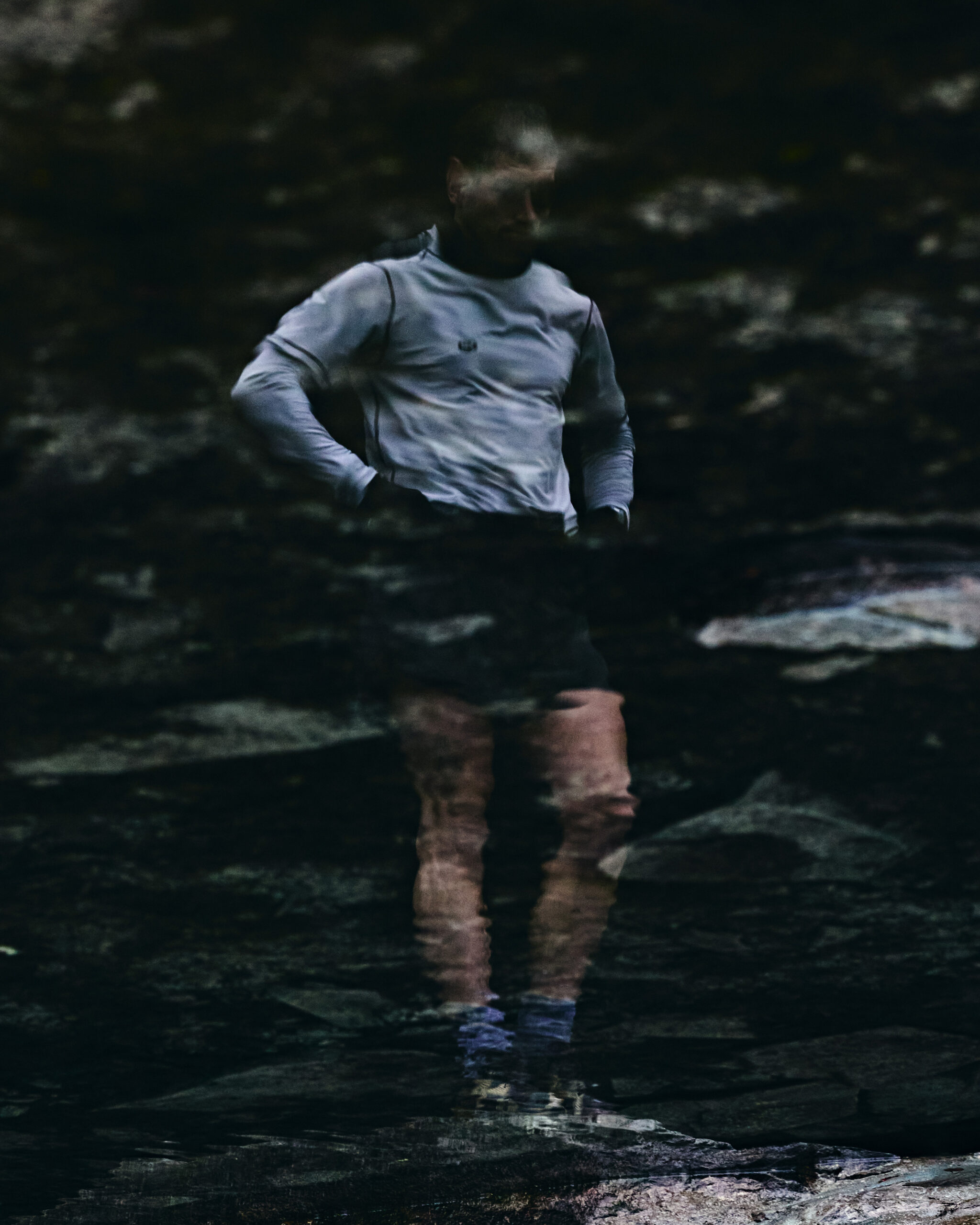
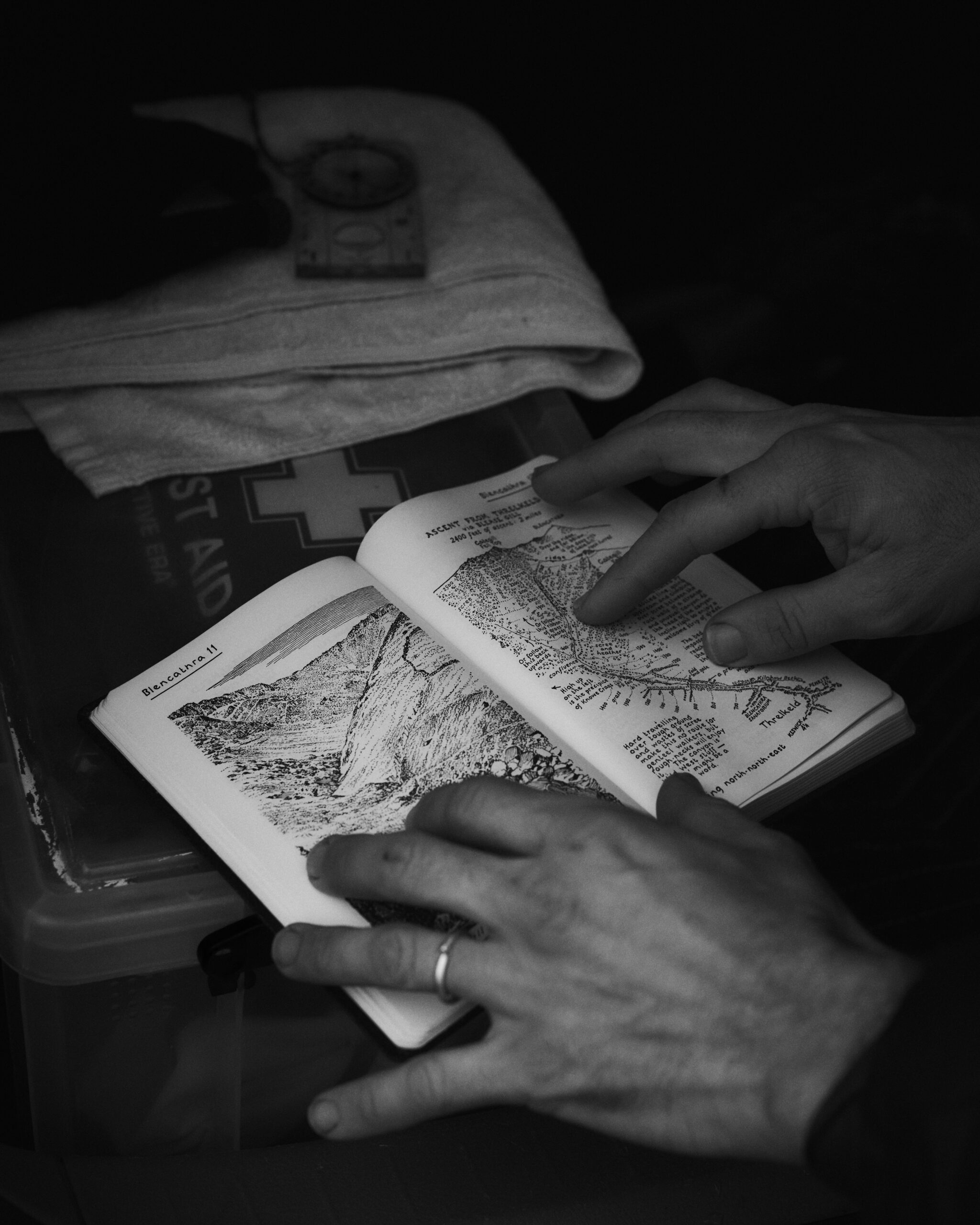
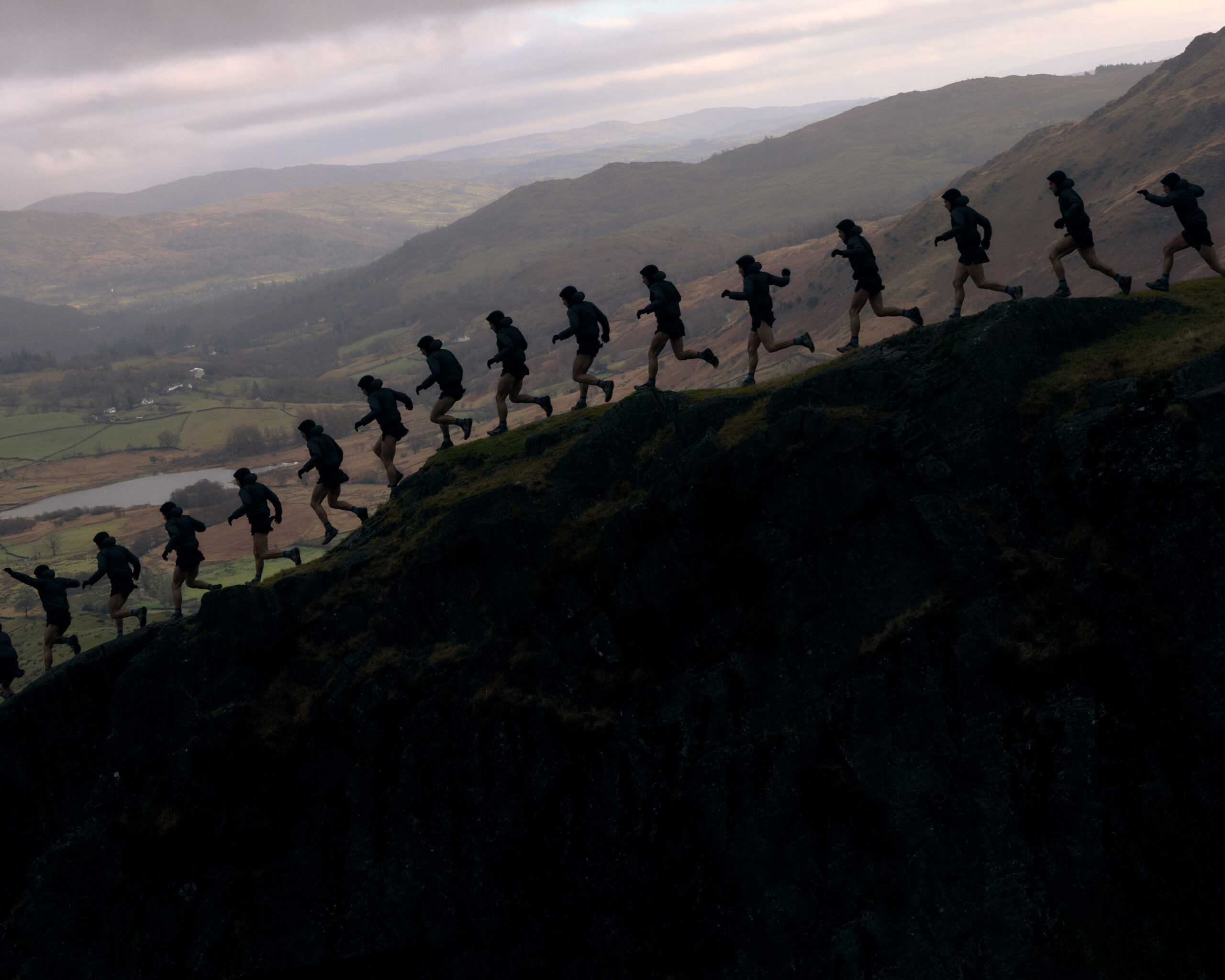
SIGNALS, a Knees Up project for Merrell 1TRL, is a study in awareness, on and off the trails, and a reminder that when we tune in, performance becomes something instinctive.

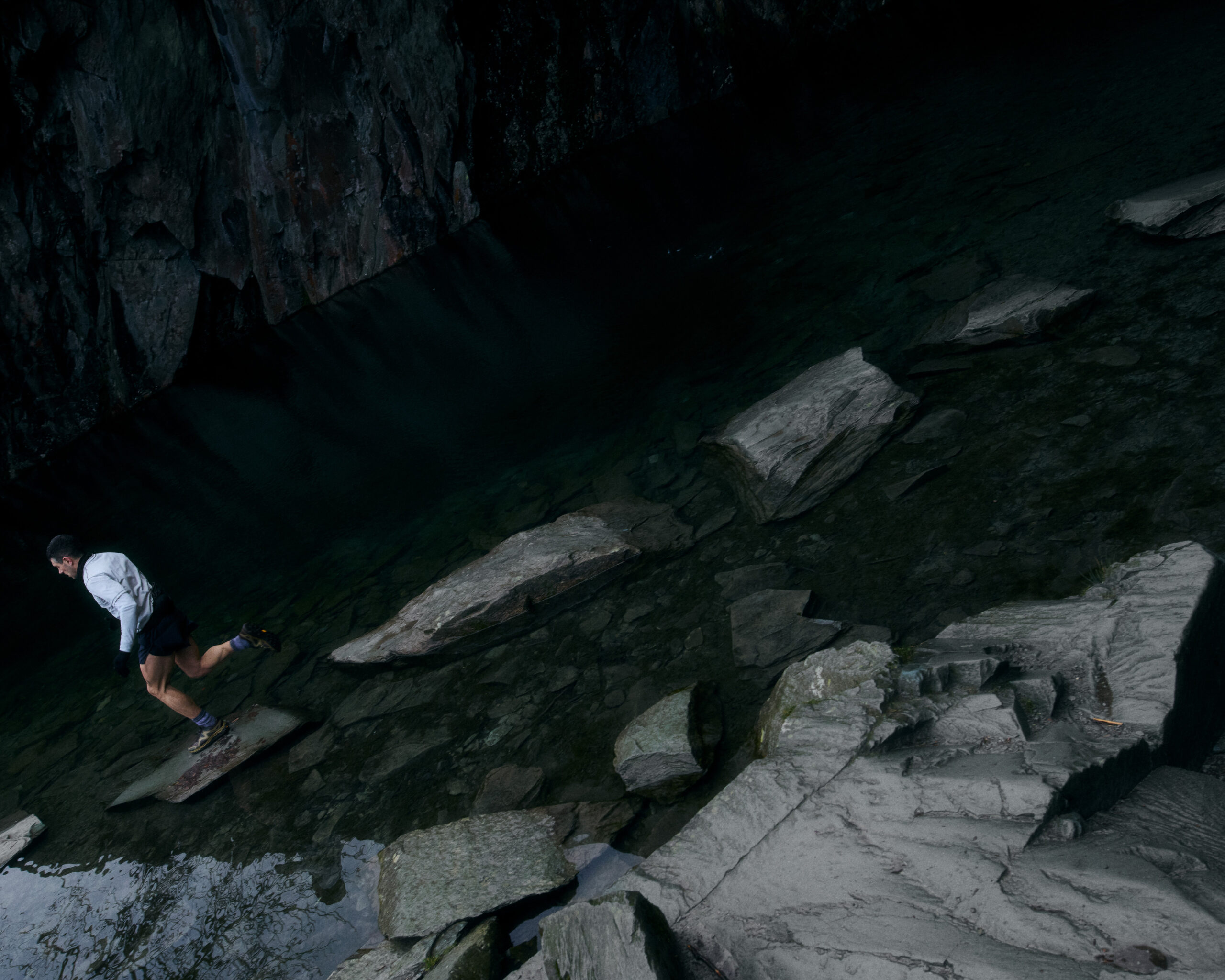
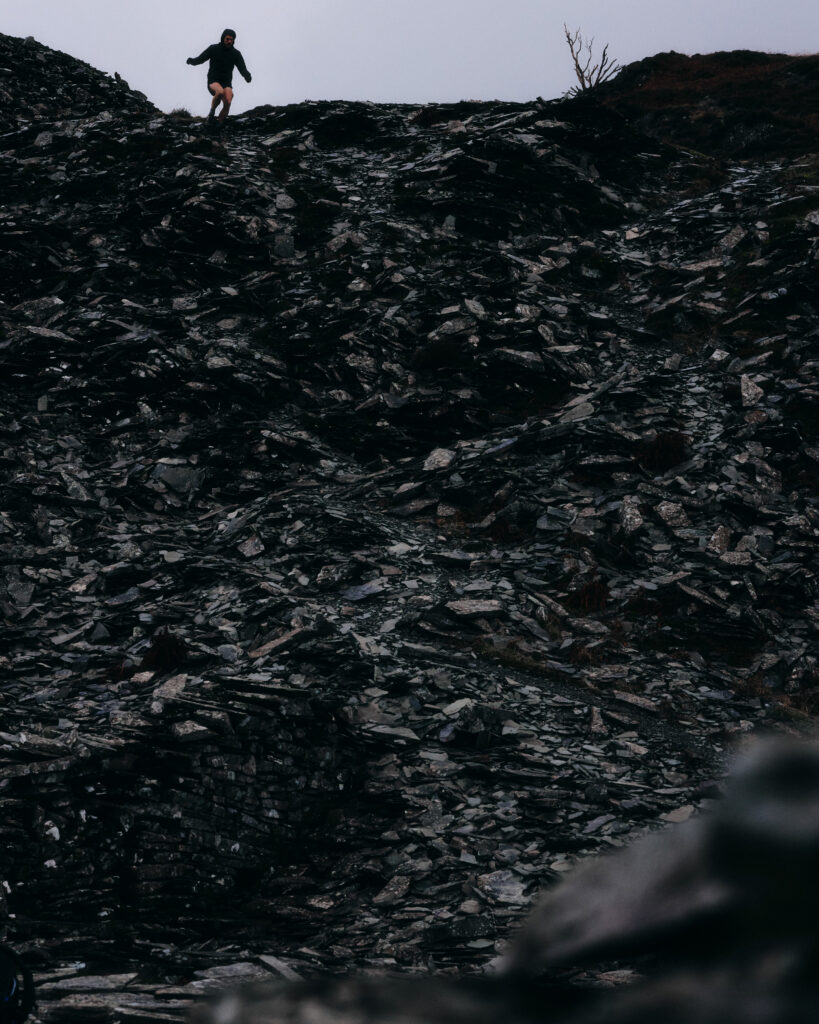
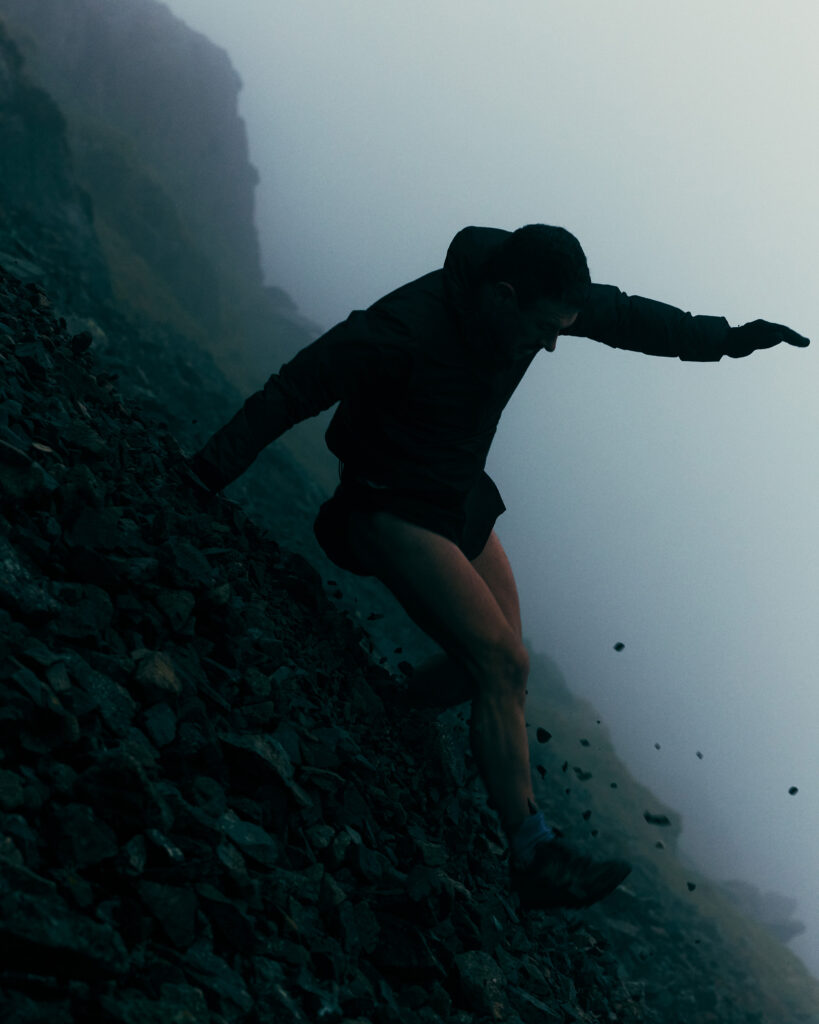
Set against the iconic trails of the Lake District, the story follows a runner moving effortlessly across technical terrain, fully attuned to every step. Slate shifts underfoot. Breath steadies, then strains. Focus sharpens. These are the signals, external and internal, that guide him forward.
As landscape and body begin to move in sync, what emerges is a state of balance, clarity and deep connection.


Signals APR MAG Circle

SIGNALS
APR MAG Circle
Signals
APR MAG Circle
Signals
APR MAG Circle

Creative & Development by Knees Up
Produced by Alice Davies
Shot & Directed by Adriaan Louw
Stills by Fergus Riley
Art & Graphics by Logan John
Featuring Bryan Dooley 
Use Case
Intended use case by the brand, broken down into three categories: Trail, Road, and Race
Cushion
The softness of the shoe’s sole, determined by it’s use of foam. More cushioning increases the level of impact protection while running with minimal cushioning comes closer to a natural running experience (e.g. barefoot). Since there are different types of foams, the equation of “the more foam the softer” does not always work. It is crucial to consider which type of foam it is. Ranging from Hard to Super Soft.
Padding
The amount of padding in the upper. Ranging from No Padding to Very Padded.
Flexibility
The ability to flex when compressed from heel to toe and when twisted. Flexibility and Stability are highly interdependent. As a rule of thumb you can say: the more flexible, the less stable. Ranging from Stiff to Flexible.
Stability
The amount of support provided to the natural rolling movement of the foot. The main factors influencing stability are the sole’s construction and its width. The construction of the upper and the type of lacing can also add to stability. Special Lacing is not considered within this category. Ranging from Free to Supportive.
Traction
The ability of the shoe to maintain stable contact with the ground, mostly determined by the construction of the sole. Added components from external brands such as Vibram or Megagrip can highly influence traction. Ranging from Slick to Very Grippy.
Breathability
The overall mesh density of the upper. Ranging from closed to open
Propulsion
The amount of forward pushing energy return determined by the construction of the sole. Various sole types can add a propulsive effect to the sole such as a Rocker construction or a carbon plate in combination with an energy-returning foam. Ranging from Relaxed to Aggressive.
Drop
The difference in height from heel to forefoot. Ranging from 0mm to 12mm.
Stack Height
The amount of forward pushing energy return determined by the construction of the sole. Various sole types can add a propulsive effect to the sole such as a Rocker construction or a carbon plate in combination with an energy-returning foam. Ranging from Relaxed to Aggressive.
Width
The shoes overall width at its base. This category only refers to the upper to provide information for the overall fit. Ranging from Narrow to Wide.
Width
The overall weight of the shoe. For comparison, we always use the weight of size US 9 for men. Ranging from Ultra Light to Heavy—Ultra Light (<240g), Lightweight (240–280g), Medium (280–320g), Heavy:  (>320g).

multi-faceted platform within the athletic and outdoor culture.

© 2025 by APR MAG

Fischer & Santiago GbR
Auguststraße 47a
10119 Berlin
Germany