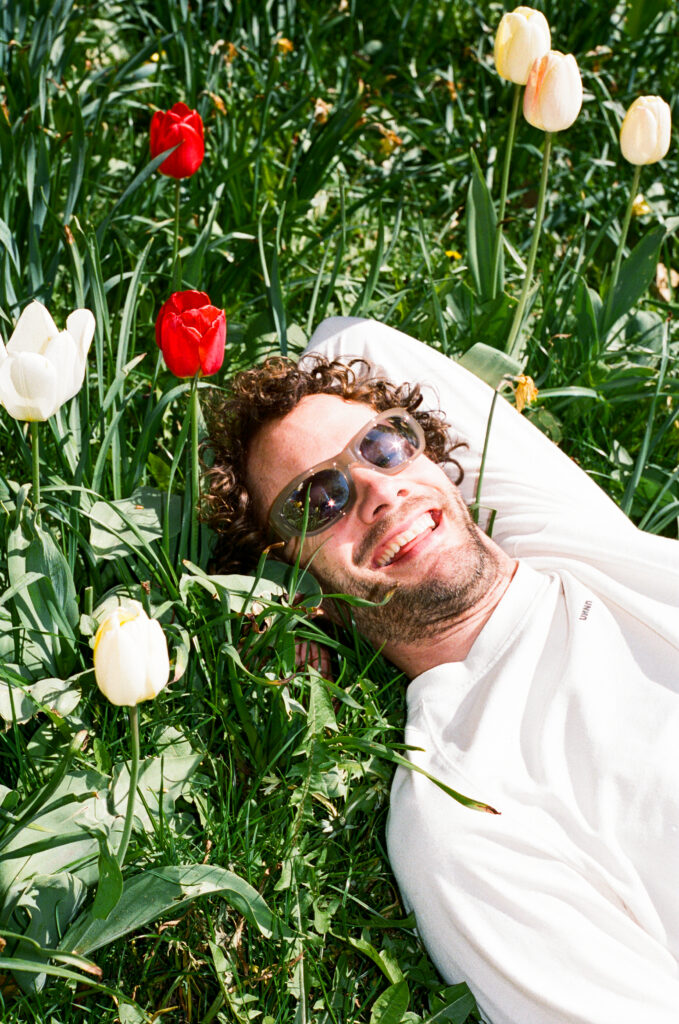
John-Ruben Holtback, founder of UNNA, on creativity, movement, and why he thinks it’s important to occasionally leave your brain alone.
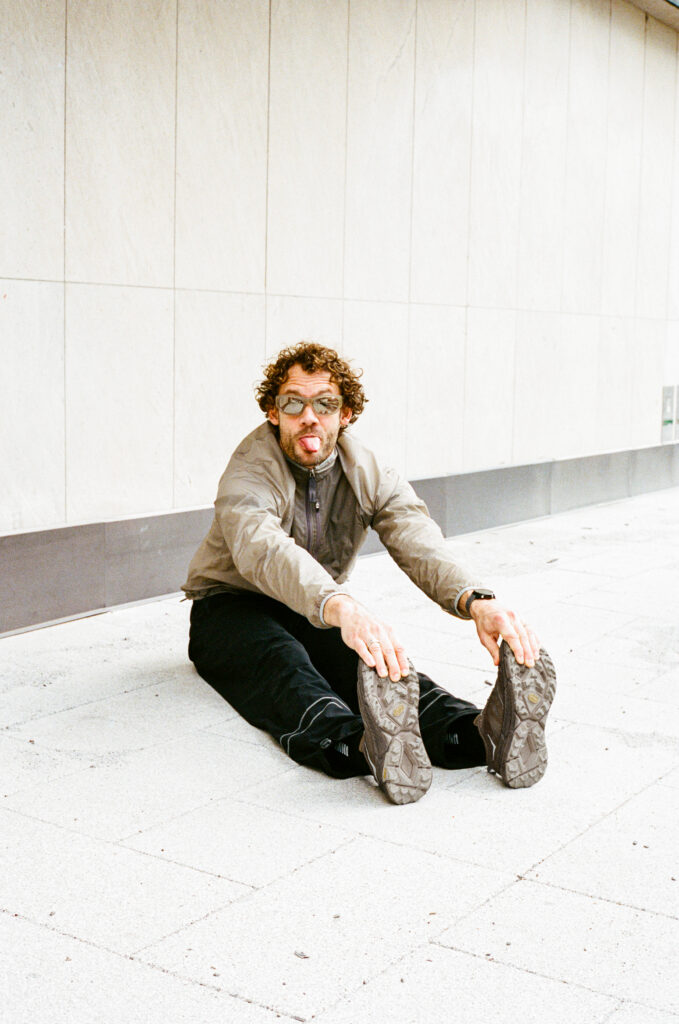
Rarely the best creative ideas come on command. Sure in the fashion business you kind of have to, as things move fast, but how can we think differently?
For me, creativity needs movement.
And I don’t necessarily mean physical movement. Running helps me, but movement can be almost anything. Moving between thoughts. Toying with an idea without knowing where it will lead. Changing your mind. Going down a rabbit hole. Looking at something from the wrong angle just to see what happens.
It can also mean moving through the world. Going somewhere you haven’t been before. Talking to someone you wouldn’t normally talk to. Picking up a strange book. Walking into the wrong shop. Looking at something that seemingly has absolutely nothing to do with the problem you are trying to solve.
Maybe creativity is really just a willingness to move away from where you are.
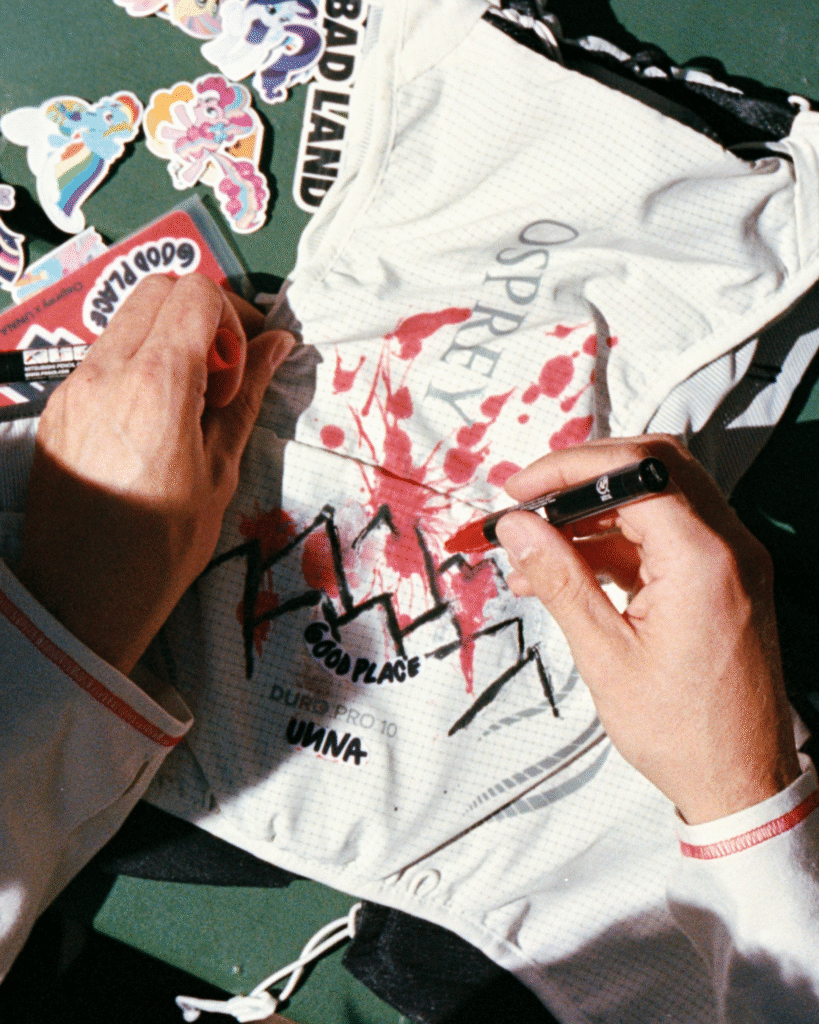

I like the idea of lifting pebbles and rocks just to see what’s underneath. Following thoughts that don’t immediately make sense. Allowing yourself to get distracted. Not always knowing what you are looking for.
There is something important in resisting the obvious reference. If you are designing a running shoe and only look at running shoes, there is a pretty good chance you will end up designing… Just another running shoe.
Sometimes you need to move sideways.
Creativity needs nourishment. And, strangely, creativity seems to nourish more creativity.
The more things I see, conversations I have, places I go and thoughts I allow myself to play with, the more connections seem to appear. One reference leads to another. Something overheard in a restaurant suddenly solves a problem you have been staring at for three weeks. A building makes you think about a shoe. A piece of music changes how you think about a space. A conversation about absolutely nothing turns out to be about something.
More stimulation. More input. More possibilities.
Until, eventually, you need the opposite. You need to turn it off.
I think this is the part we sometimes forget. We have become very good at feeding our brains and pretty terrible at leaving them alone. There is always another image to save, another article to read, another reference to find. We can spend hours looking for inspiration without giving any of it the space to become an idea.
At some point, you have to stop consuming and let your brain do whatever it does with the mess you have given it. This is where physical movement becomes important for me.
When I run, eventually the noise disappears. At first my brain is still busy trying to solve things. Thoughts compete with each other. Problems from work pop up. Things I should have said yesterday arrive about twelve hours too late.
Then, after some time, my brain seems to give up. And somewhere after that comes a different state.
Thoughts arrive without being invited. Connections happen by themselves. Something I had been forcing suddenly feels obvious.
You stop chasing the idea and occasionally it catches up with you.
Maybe that is flow. Maybe it is just exhaustion. Either way, I trust it.
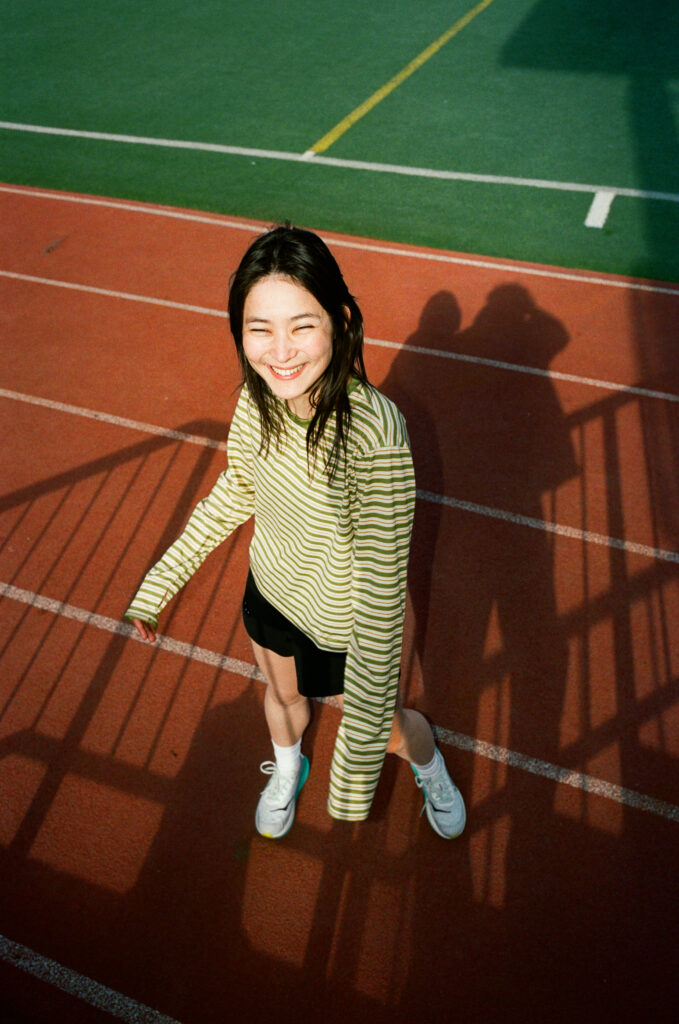
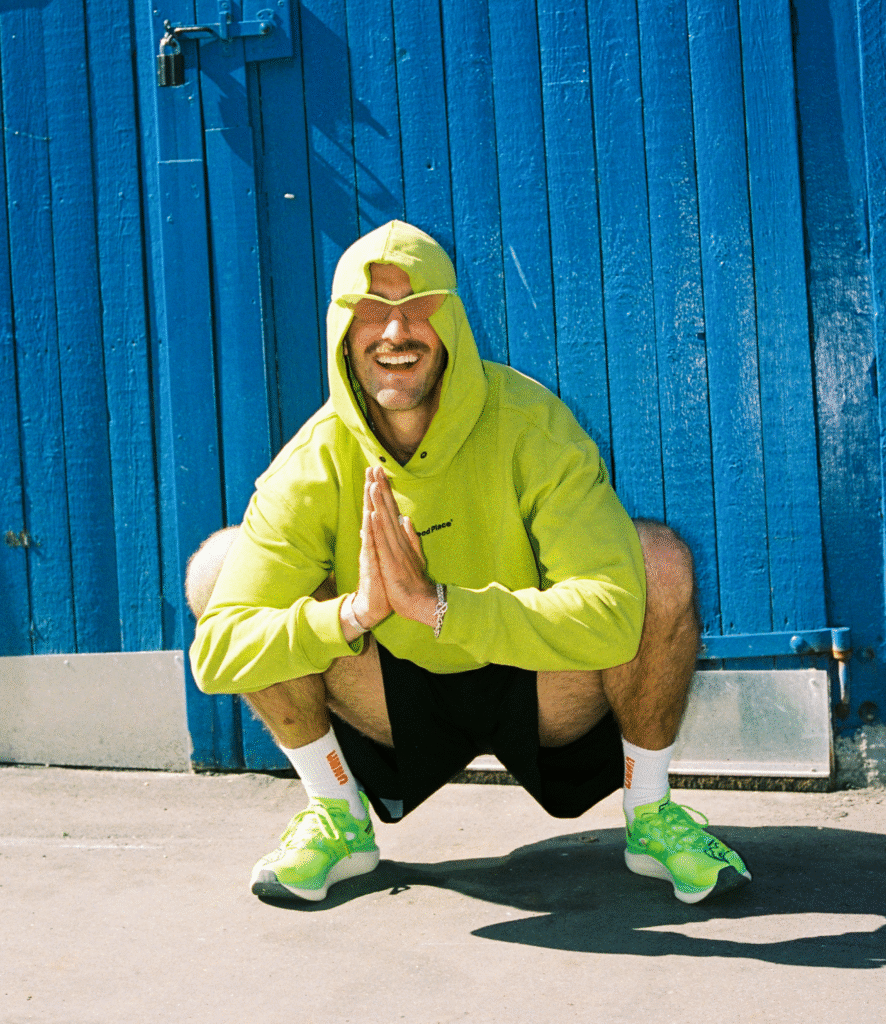
But I don’t think you need to run to find that place. The point isn’t exercise. It is movement between states. Between stimulation and emptiness. Between knowing and not knowing. Between focusing deeply on something and then allowing yourself to forget about it completely.
There is freedom in that. Freedom in creation. Freedom in feeling good. And I think there should be joy in creating, too.
The mythology around creativity can make it sound like good work has to be painful. That you have to suffer for the idea, agonise over every decision and emerge at the other end completely exhausted. I’m not sure I believe that.
I would rather create with joy. Be curious. Be fierce about the things I believe in. Listen to that slightly annoying inner voice when it tells me something isn’t good enough, but also when it tells me something strange might actually be worth pursuing.
And perhaps most importantly, not worry too much about being judged while I’m still figuring it out.
An idea is fragile when it first appears. Sometimes it needs protecting before it needs opinions. That doesn’t mean creativity should be completely free of structure. Quite the opposite.
I like principles. I like frameworks. Constraints can give creativity somewhere to push from. But I also think we need to be careful not to turn those frameworks into rules.
Whenever I make something, I keep coming back to very simple questions.
Why are we doing this?
Does it deserve to exist?
What does it add?
Would anyone miss it if we didn’t make it?
Those questions sound almost painfully basic. But in a world already overflowing with things, perhaps basic questions are exactly what we need. And then, at some point, you have to let go again.
Stop looking for the answer. Stop trying to know exactly where you are going. Move.
Go somewhere unfamiliar. Talk to someone you don’t know. Follow the reference that makes absolutely no sense. Pick up the rock and see what’s underneath. Let your mind wander somewhere it wasn’t supposed to go.
Then leave it alone.
Creativity, at least for me, is less about having the answers and more about staying curious enough to keep looking. There is a quote attributed to John Lennon that I keep coming back to: "The more I see, the less I know for sure."
I like that. So keep moving and you’ll finish in a Good Place.